In South Sudan, the manufacturing landscape is characterized by extreme temperature fluctuations and high humidity, which accelerate the corrosion of standard carbon steel components. Many local facilities still rely on legacy systems that lack the resilience required for continuous operation in the Sudd region's unique climate.
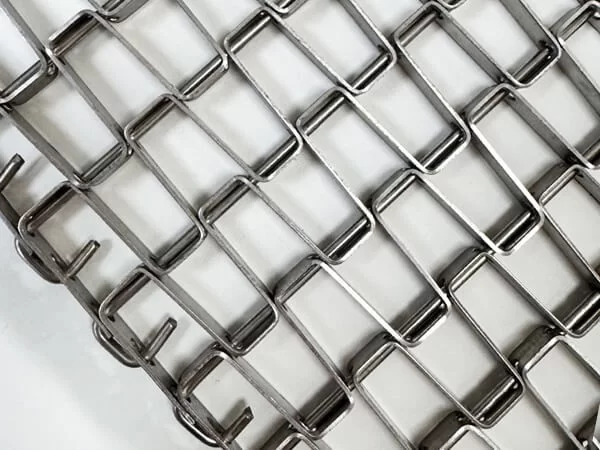
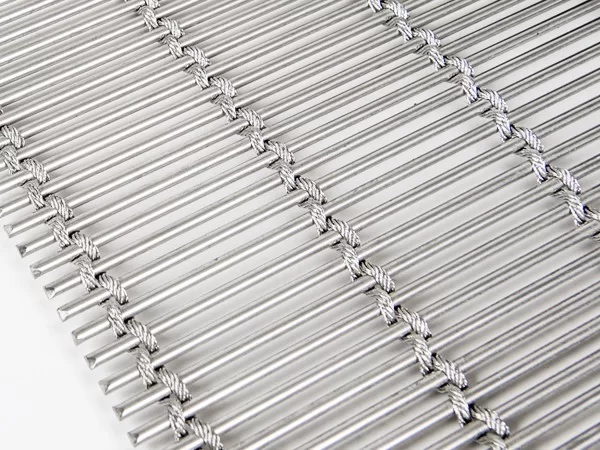
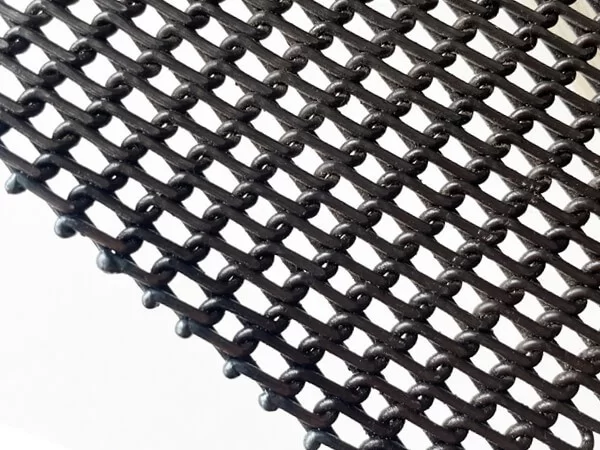
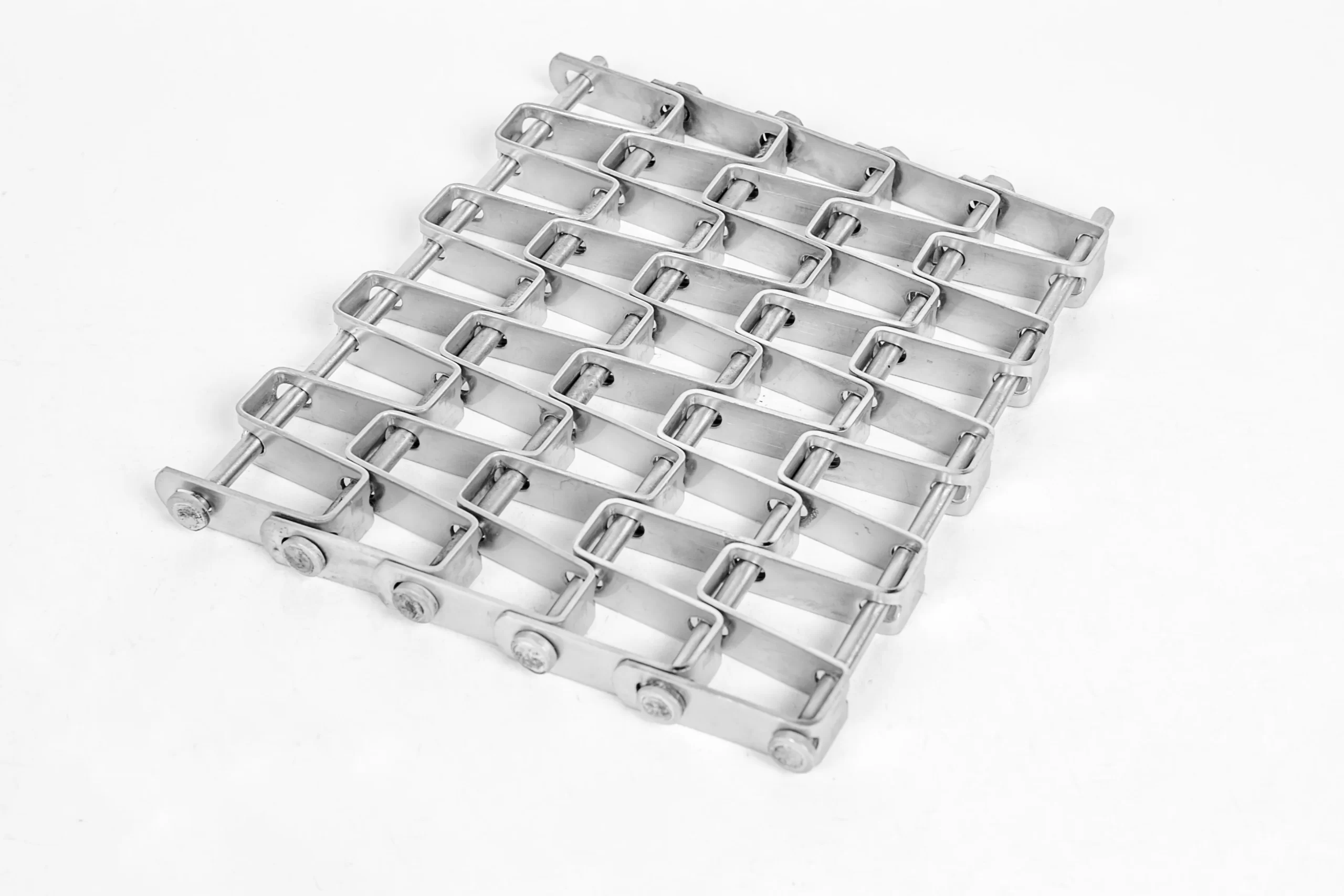
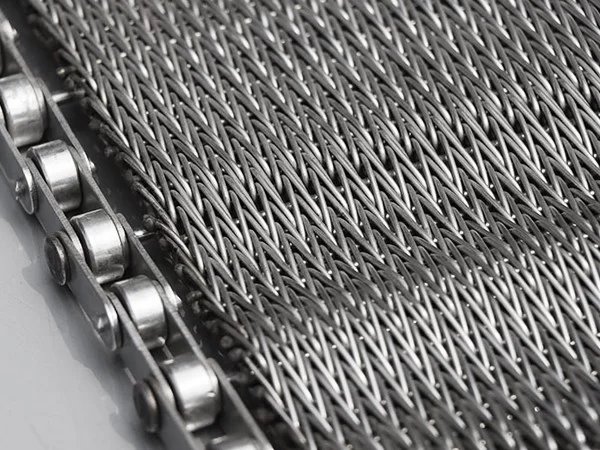
The shift toward Stainless Steel Wire Mesh Belt technology is becoming critical as local food processing and oil-related industries seek to reduce downtime. The need for hygienic, rust-proof transmission parts is driving a transition away from rubber belts toward metallic weaves.
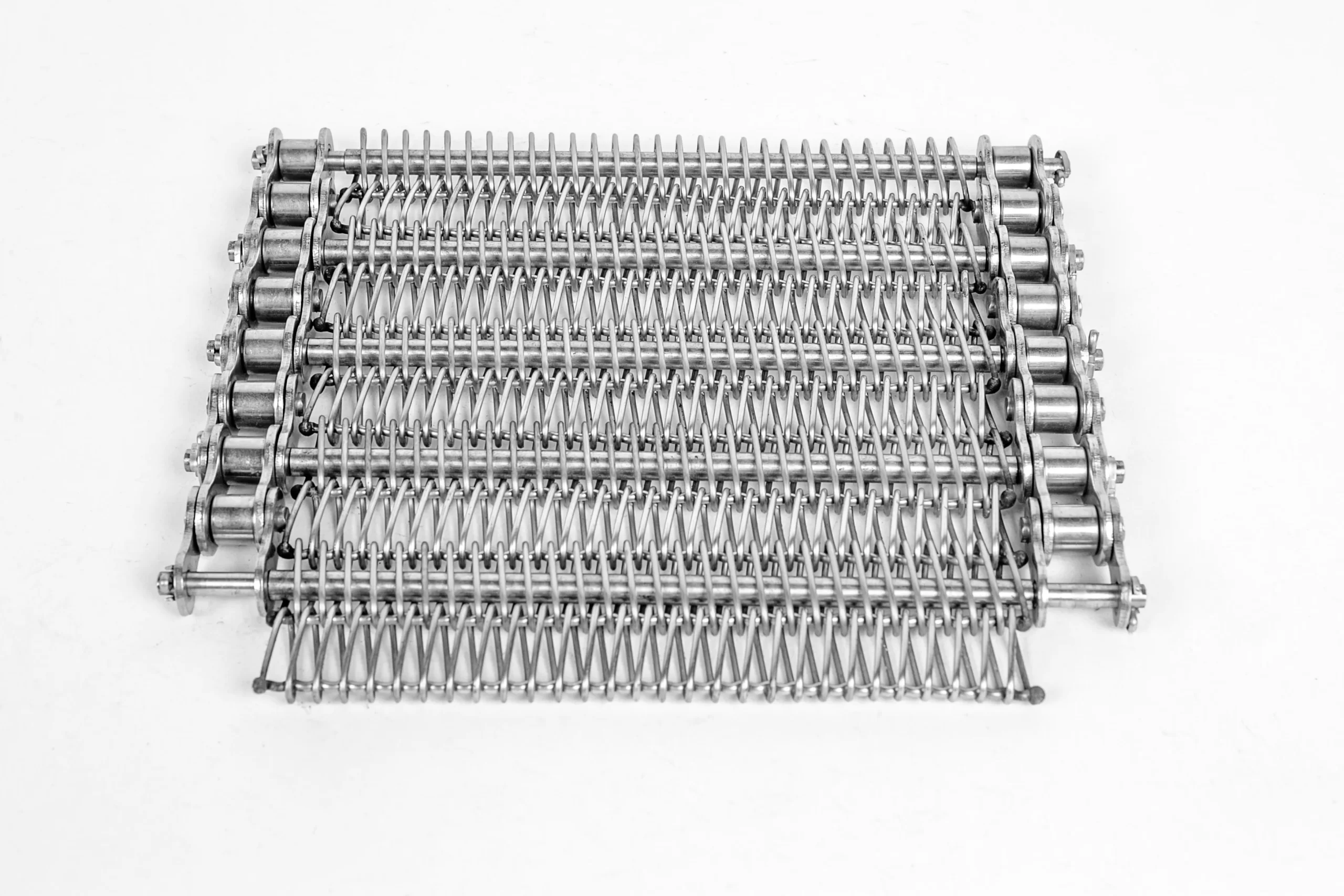
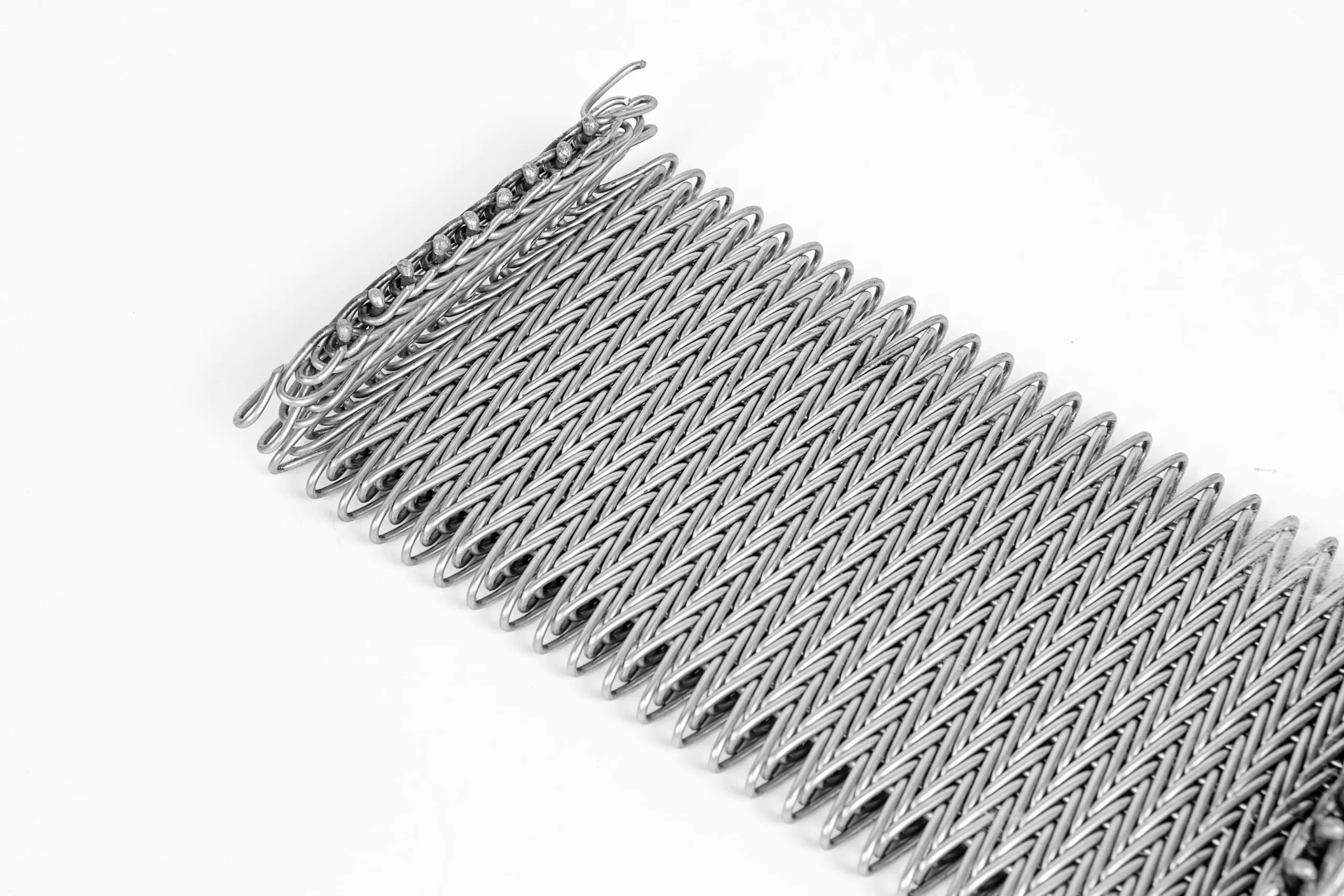
Currently, there is a significant gap in the availability of specialized components like the Compound Balanced Weave Belt, leading to inefficiency in spiral cooling and freezing processes. Local industries are now prioritizing high-tensile materials that can withstand heavy loads without stretching.