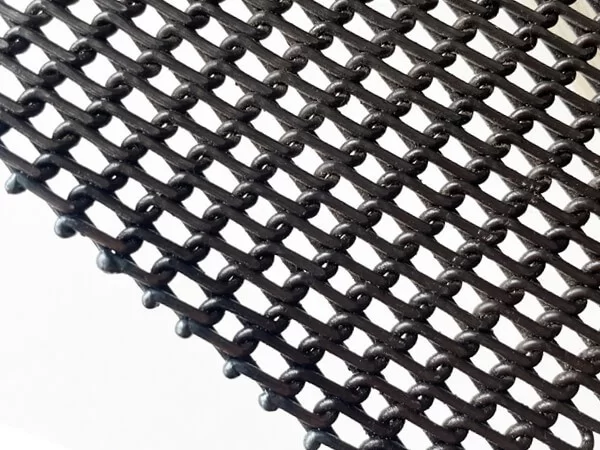
HighPerformance Balanced Spiral Conveyor Belt Solutions for Indonesia’s Industrial Growth

  • Home
  • Global Service
  • HighPerformance Balanced Spiral Conveyor Belt Solutions for Indonesia’s Industrial Growth

Industrial Conveying Solutions in Indonesia: High-Performance Balanced Spiral Conveyor Belt

Optimizing Indonesian manufacturing productivity with precision-engineered stainless steel mesh conveying systems designed for extreme durability and hygiene.

Industrial Conveying Solutions in Indonesia: High-Performance Balanced Spiral Conveyor Belt

Providing cutting-edge mechanical transmission components for Indonesia's growing industrial sector, ensuring seamless integration of high-strength Stainless Steel Wire Mesh Belt technology across diverse production lines.

Current State of Conveying Technology in Indonesia

Analyzing the operational challenges of mechanical transmission in Southeast Asia's largest economy.

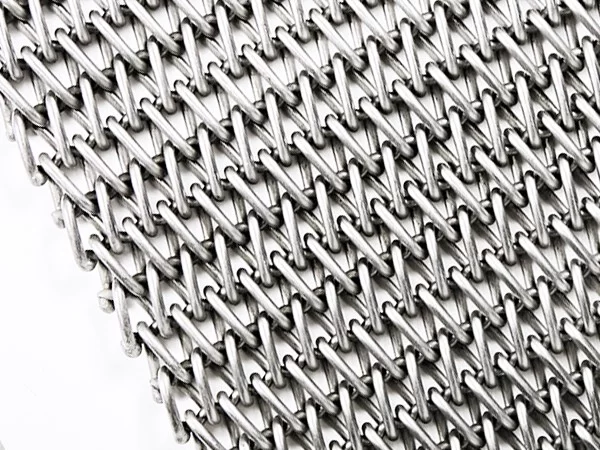
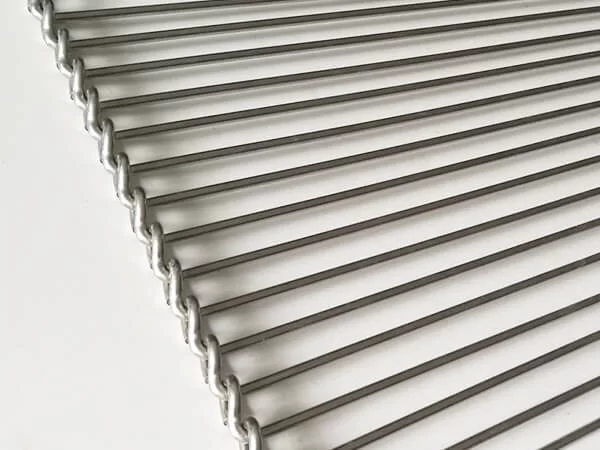
Indonesia's manufacturing landscape, particularly in food processing and palm oil refining, faces significant challenges due to high humidity and tropical corrosive environments. The reliance on traditional conveyor systems often leads to rapid degradation, necessitating the adoption of a Flat Wire Conveyor Belt to ensure long-term structural integrity and resistance to oxidation.

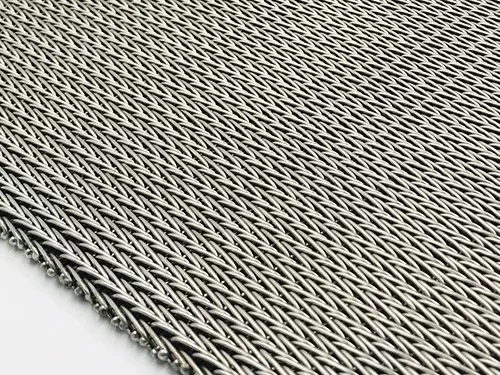
In industrial hubs like West Java and East Java, there is a visible shift toward automation. However, many factories still struggle with belt tracking and thermal expansion during high-temperature processing. This has increased the demand for the Compound Balanced Weave Belt, which offers superior stability and minimizes downtime in continuous production cycles.

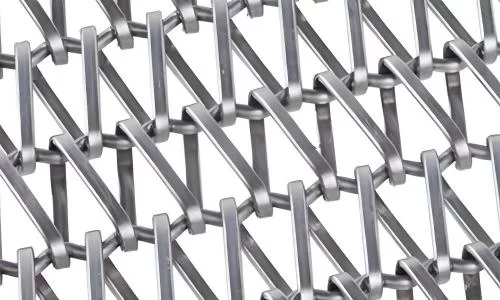
Furthermore, strict hygiene regulations for export-grade products mean that Indonesian manufacturers are replacing old rubber belts with Honeycomb Conveyor Belts. These systems provide the necessary airflow and drainage, reducing contamination risks in the meat and seafood processing sectors common in coastal regions.
Evolution and Trajectory of Transmission Components

From basic mesh to intelligent balanced weaving systems.

Market Development History

Prior to 2010, the Indonesian market primarily utilized simple carbon steel mesh, which suffered from frequent corrosion and required constant manual maintenance. The transition began around 2012 as the food industry modernized, introducing basic stainless steel options to meet international sanitary standards.

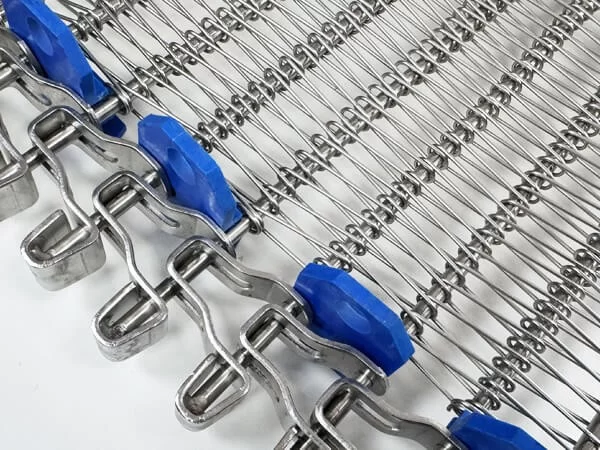
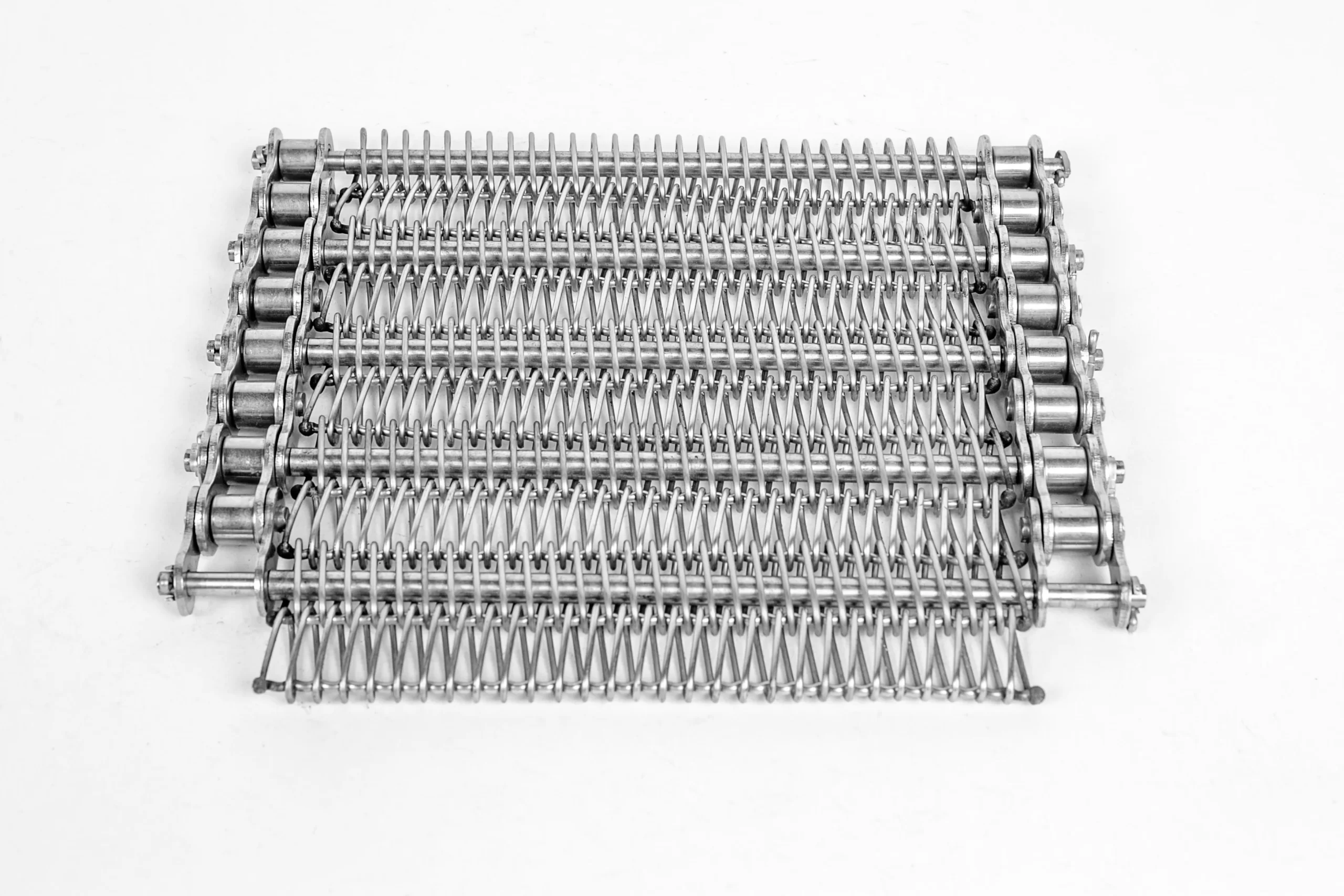
Between 2015 and 2020, the technical iteration shifted toward "Balanced" technology. The introduction of the Balanced Spiral Conveyor Belt allowed for vertical space optimization, enabling factories to increase throughput without expanding their physical footprint—a critical need in densely packed industrial zones.

Since 2021, the focus has evolved toward compound materials and precision weaving. The integration of specialized weave patterns has allowed for the handling of more fragile products, reducing waste and increasing the overall efficiency of the mechanical transmission chain.

Future Development Trends

Integration of Smart Monitoring

Expect a surge in sensors embedded within mesh structures to monitor tension and wear in real-time, reducing catastrophic failures in heavy-duty Indonesian factories.

Ultra-High Temperature Alloys

The trend is moving toward advanced alloys that can withstand the extreme thermal cycling required for Indonesia's growing petrochemical and specialty chemical sectors.

Modular Sustainability

Future designs will emphasize modularity, allowing local operators to replace specific sections of a belt rather than the entire system, aligning with global "Green Industry" initiatives.

Industry Trends and Future Outlook

Predicting the next 3-5 years of conveyor technology in the Asian market.

Automation Synergies
Merging high-precision mesh belts with AI-driven sorting systems to maximize throughput in Jakarta's logistics hubs.
Corrosion Resistance
Developing specialized coatings for belts used in high-salinity coastal environments across the Indonesian archipelago.
Energy Optimization
Reducing friction coefficients in belt weaving to lower the electricity consumption of large-scale industrial conveyors.
Hygiene Compliance
Implementing "Easy-Clean" weave patterns to meet tightening Halal and FDA standards for Indonesian food exports.

Industry Outlook

Based on Google search trends for "industrial automation" and "stainless steel components" in Southeast Asia, Indonesia is expected to see a 15% annual growth in the demand for high-end mesh belts. This is driven by the government's "Making Indonesia 4.0" initiative, which pushes for digitalization in the food and beverage sectors.

The future lies in the hybridization of mechanical strength and digital intelligence. Manufacturers who can provide belts that not only move products but also integrate with data-driven maintenance schedules will dominate the regional market.

Localized Application Scenarios in Indonesia

Practical implementations of mechanical transmission components across diverse local industries.

1. Palm Oil Processing Plants

Utilizing the Compound Balanced Weave Belt for sterile fruit sterilization and cooling, where high heat and organic acids require maximum corrosion resistance.

2. Seafood Export Facilities (Surabaya/Makassar)

Implementing Honeycomb Conveyor Belts in blast freezing and washing lines to ensure rapid drainage and optimal airflow for shrimp and fish products.

3. Bakery and Confectionery Lines

Applying the Balanced Spiral Conveyor Belt for space-efficient cooling and proofing of traditional Indonesian breads and pastries in urban factories.

4. Automotive Component Casting

Deploying Flat Wire Conveyor Belt systems in quenching and cooling stages for metal parts, where extreme temperature shocks are common.

5. Pharmaceutical Packaging

Using high-precision Stainless Steel Wire Mesh Belt for the movement of medicinal vials, ensuring zero contamination and high positional accuracy.

Brand Story

Global Development Journey of Yangzhou Jiao Yang Mesh Belt Manufacturing Co., Ltd.

Foundational Engineering

Established with a mission to solve the chronic failure of industrial belts in harsh environments, we began by perfecting the basic weave of stainless steel mesh.

Technological Breakthrough

We pioneered the "Balanced" weaving technique, eliminating the common problem of belt drifting and reducing maintenance costs for thousands of clients.

Global Market Expansion

Recognizing the need for high-performance belts in Asia, we expanded our footprint into Indonesia, providing localized support and custom engineering.

Quality Certification

Achieving international standards for food safety and industrial durability, ensuring our belts meet the strictest global export requirements.

Future-Proof Innovation

Today, we focus on sustainable manufacturing and smart materials, ensuring our partners in Indonesia stay ahead of the industrial curve.

Complete Product Portfolio for the Indonesian Market

A comprehensive range of transmission components tailored for tropical climates and heavy industrial use.

Common Questions in Indonesia

Expert answers to the most frequent technical queries from our local partners.

How to prevent corrosion of Stainless Steel Wire Mesh Belt in humid coastal areas of Indonesia?

We recommend using AISI 316 stainless steel for coastal regions. Its higher molybdenum content provides superior resistance to chloride-induced pitting compared to standard 304 steel.

What are the advantages of a Balanced Spiral Conveyor Belt for urban factories in Jakarta?

Spiral belts maximize vertical space, allowing you to achieve long cooling or heating paths within a small footprint, which is essential for high-rent urban industrial zones.

Can a Compound Balanced Weave Belt handle high-temperature palm oil processing?

Yes, the compound weave is specifically designed to maintain dimensional stability under extreme thermal stress, preventing the belt from stretching or warping during sterilization.

How do Honeycomb Conveyor Belts improve hygiene in seafood processing?

The honeycomb structure increases the open area, allowing for maximum water drainage and airflow, which prevents bacterial buildup and ensures faster cooling of fresh seafood.

What is the typical lifespan of a Flat Wire Conveyor Belt in heavy-duty Indonesian plants?

With proper tensioning and lubrication, our high-grade stainless steel flat wire belts typically last 3-5 times longer than traditional carbon steel or rubber alternatives.

Do you provide custom widths for conveyor belts to fit existing Indonesian machinery?

Absolutely. We offer precision customization for all belt widths and weave patterns to ensure a seamless fit with your current mechanical transmission infrastructure.

Ready to Upgrade Your Production Line?

Contact our expert engineering team today for high-performance conveyor solutions tailored for the industrial demands of Indonesia.

Contact Us Now

If you are interested in our products, you can choose to leave your information here, and we will be in touch with you shortly.