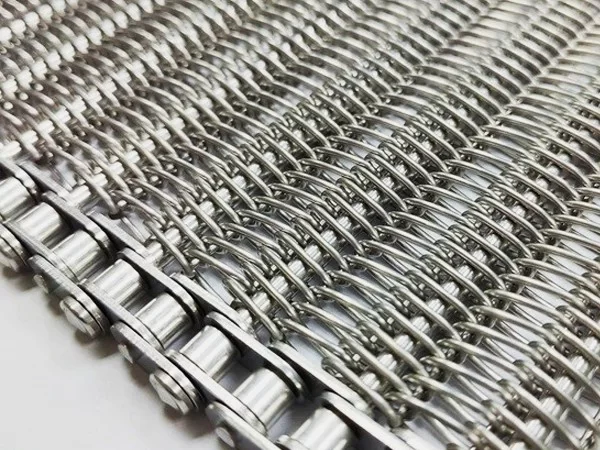
Industrial Conveying Solutions in Brazil HighPerformance Balanced Spiral Conveyor Belt

  • Home
  • Global Service
  • Industrial Conveying Solutions in Brazil HighPerformance Balanced Spiral Conveyor Belt

Industrial Conveying Solutions in Brazil: High-Performance Balanced Spiral Conveyor Belt

Optimizing mechanical transmission and heat treatment processes for the Brazilian manufacturing sector with precision-engineered stainless steel mesh solutions.

Industrial Conveying Solutions in Brazil: High-Performance Balanced Spiral Conveyor Belt

We provide the Brazilian industrial market with a comprehensive range of high-durability conveyor belts designed to withstand extreme thermal cycles and corrosive environments, ensuring seamless mechanical transmission for general equipment manufacturing.

The Landscape of Conveyor Technology in Brazil

Analyzing the intersection of humidity, industrialization, and mechanical durability in the South American hub.

In Brazil, the general equipment manufacturing sector faces unique challenges due to high ambient humidity and the prevalence of saltwater corrosion in coastal industrial zones. The demand for Stainless Steel Wire Mesh Belt has surged as local manufacturers shift away from carbon steel to avoid frequent oxidation and downtime in food processing and automotive parts lines.

The Brazilian market is currently characterized by a transition toward automation. Many legacy factories in São Paulo and Minas Gerais are upgrading their mechanical transmission components to handle higher loads and faster speeds, requiring the stability provided by a Compound Balanced Weave Belt to prevent tracking issues on long conveyor runs.

Economically, the focus has shifted toward "Total Cost of Ownership." Brazilian engineers now prioritize belts that offer longer life cycles and lower maintenance requirements, driving the adoption of advanced weave patterns that resist stretching and deformation under the heavy-duty cycles typical of Brazilian heavy industry.
Evolution and Trajectory of Mechanical Transmission Belts

From traditional weaving to precision-engineered balanced architectures.

Market Development History

Prior to 2010, the Brazilian market relied heavily on basic chain-link or simple mesh belts. These early iterations often suffered from uneven tension, leading to frequent belt drift and misalignment in spiral cooling applications.

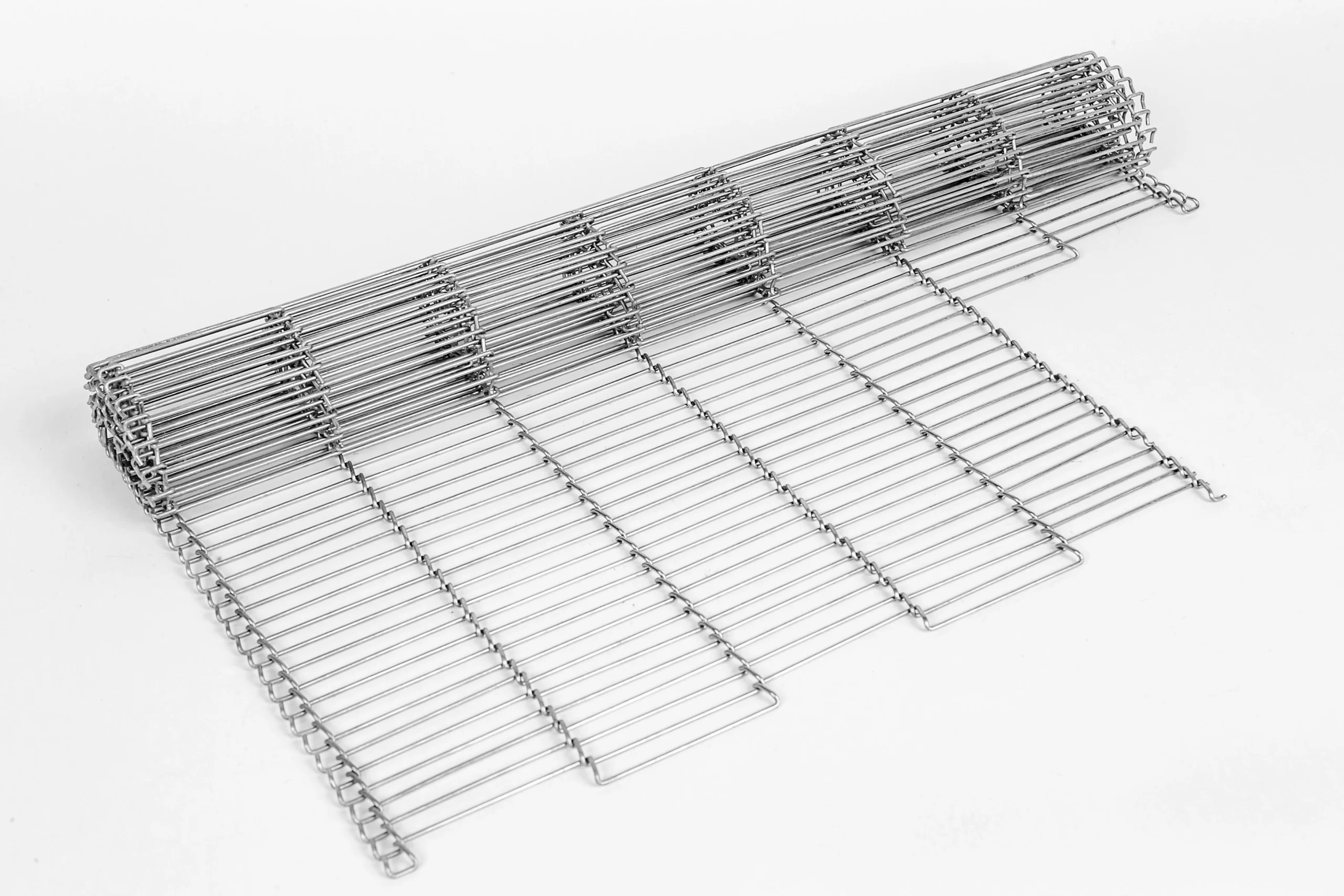
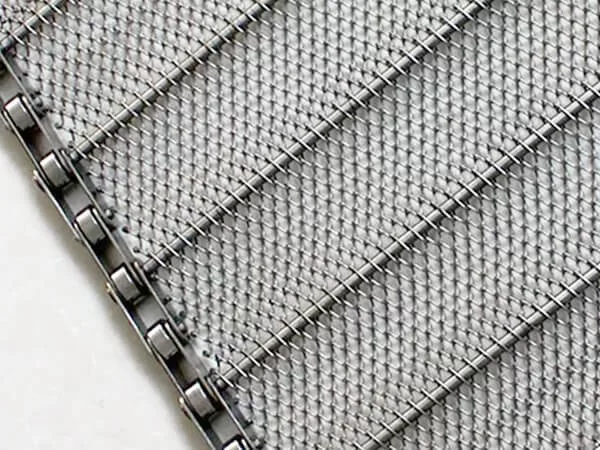
Between 2010 and 2020, the introduction of the Balanced Spiral Conveyor Belt revolutionized the space-saving requirements of Brazilian factories. By ensuring the belt remains center-aligned through a spiral descent, manufacturers were able to increase production capacity within the same physical footprint.

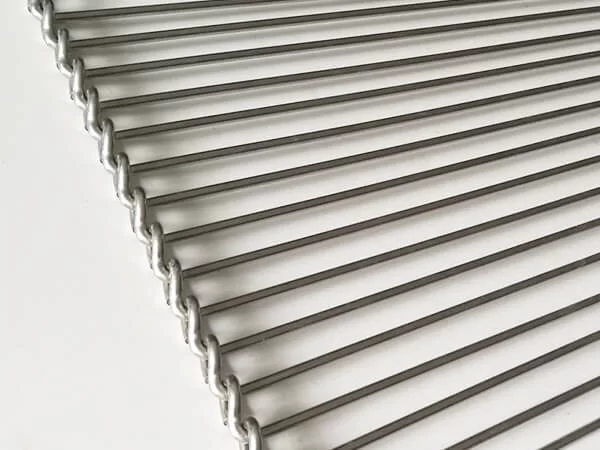
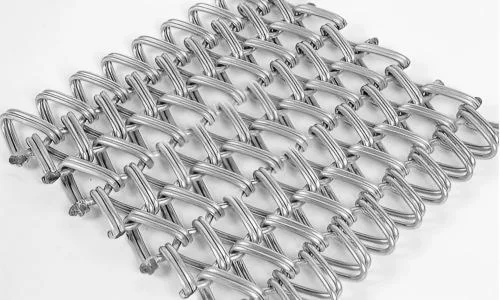
Since 2020, the focus has pivoted toward specialized geometry. The integration of Honeycomb Conveyor Belts allowed for superior airflow and drainage, meeting the strict sanitary standards required by Brazil's expanding agro-industrial exports.

Future Development Trends

Smart Material Integration

Future belts will likely incorporate sensors or smart alloys that indicate wear and tear, reducing unplanned downtime in Brazilian automotive assembly lines.

Hyper-Efficiency in Heat Transfer

There is a growing trend toward optimizing the open-area ratio of belts to reduce energy consumption in industrial ovens, making Flat Wire Conveyor Belt designs more aerodynamic.

Sustainability and Circularity

In line with global ESG goals, the Brazilian market is moving toward 100% recyclable stainless steel grades that maintain structural integrity over decades of use.

Industry Trends and Future Outlook for Brazil

Predicting the next 3-5 years of mechanical transmission evolution based on Google search trends and industrial data.

Automation Integration
Integration with IoT-enabled monitoring to track belt tension and wear in real-time across Brazilian plants.
Anti-Corrosive Focus
Increasing demand for AI-grade stainless steels to combat the aggressive saline air of coastal Brazil.
Energy Optimization
Development of lighter mesh structures that reduce the torque required for mechanical transmission.
Modular Customization
Shift toward rapidly interchangeable belt sections to minimize production halts during replacements.

Industry Outlook

Google search trends for "industrial automation Brazil" and "stainless steel conveyor" show a clear upward trajectory. As Brazil continues to strengthen its domestic manufacturing capabilities, the demand for high-precision transmission components will shift from generic imports to specialized, engineered solutions.

We anticipate that the next five years will see a convergence of materials science and mechanical engineering, where belts are no longer just passive carriers but integrated components of a smart production ecosystem, optimized for the specific climatic and economic constraints of the South American region.

Local Application Scenarios in Brazil

Real-world implementations of advanced mesh belts across Brazil's primary industries.

01. Sugar and Ethanol Processing

In Brazil's massive sugar mills, Honeycomb Conveyor Belts are utilized for the efficient washing and drying of sugar crystals, providing the necessary airflow and drainage to prevent clump formation.

02. Automotive Parts Heat Treatment

For the automotive hubs in São Paulo, the Compound Balanced Weave Belt is the preferred choice for tempering and hardening lines, ensuring parts move through the furnace without drifting.

03. Frozen Food Export Logistics

Brazil's meat export industry relies on Balanced Spiral Conveyor Belt systems in blast freezers to maximize vertical space and ensure uniform freezing of poultry and beef products.

04. Pharmaceutical Manufacturing

In high-hygiene pharmaceutical plants, Flat Wire Conveyor Belt options are used for sterile transport of blister packs, minimizing residue buildup and facilitating easy CIP (Clean-In-Place) processes.

05. Industrial Bakery and Confectionery

For large-scale Brazilian bakeries, Stainless Steel Wire Mesh Belt is used in cooling tunnels, allowing rapid heat dissipation for mass-produced bread and cakes.

Brand Story

Global Development Journey of Yangzhou Jiao Yang Mesh Belt Manufacturing Co., Ltd.

Foundation and Focus

Established with a vision to solve the most critical failure points in mechanical transmission, focusing on durability and precision weave technology.

Technological Breakthrough

Developed the proprietary balanced weave architecture, eliminating the common problem of belt drift in high-temperature industrial environments.

Global Market Expansion

Expanded operations to serve the South American market, tailoring product specifications to meet the rigorous standards of Brazilian industrial clients.

Quality Certification

Achieved international quality certifications, ensuring that every mesh belt produced meets global safety and performance benchmarks.

Vision for the Future

Committed to driving the transition toward Industry 4.0 by developing smarter, more sustainable conveyor solutions for the global manufacturing sector.

Comprehensive Mesh Belt Portfolio for the Brazilian Market

A full suite of mechanical transmission components designed for durability, hygiene, and precision.

Common Questions for Brazil Industrial Clients

Expert answers regarding the selection and maintenance of stainless steel conveyor belts in Brazil.

How do I choose the right Stainless Steel Wire Mesh Belt for high-humidity environments in Brazil?

We recommend using AISI 304 or 316L stainless steel. For coastal regions in Brazil, 316L is superior as it provides enhanced resistance to chloride-induced pitting corrosion.

What are the advantages of a Balanced Spiral Conveyor Belt in space-constrained factories?

The balanced design prevents the belt from tracking to one side during the spiral descent, allowing for a tighter radius and higher vertical density, which is critical for urban industrial sites in São Paulo.

When should I use a Compound Balanced Weave Belt instead of a standard mesh?

Choose the compound balanced weave when your application requires both extreme stability (no drift) and high load-bearing capacity, such as in heavy automotive part conveying.

Can Honeycomb Conveyor Belts handle high-temperature baking processes?

Yes, our honeycomb designs are engineered for high-temperature stability. The open-mesh structure allows for maximum airflow, ensuring uniform heating and cooling of products.

How does a Flat Wire Conveyor Belt improve sanitary conditions in food plants?

Flat wire belts minimize the "nooks and crannies" where bacteria can hide. Their smooth surface allows for more effective cleaning with high-pressure water and chemical agents.

What is the typical lead time for custom mesh belt orders shipped to Brazil?

Depending on the complexity and length, production typically takes 2-4 weeks, followed by specialized shipping and customs clearance processes for the Brazilian market.

Consult Our Engineering Experts

Ready to optimize your production line in Brazil? Our team provides technical consultation and customized belt designs to ensure your facility operates at peak efficiency.

Contact Us Now

If you are interested in our products, you can choose to leave your information here, and we will be in touch with you shortly.