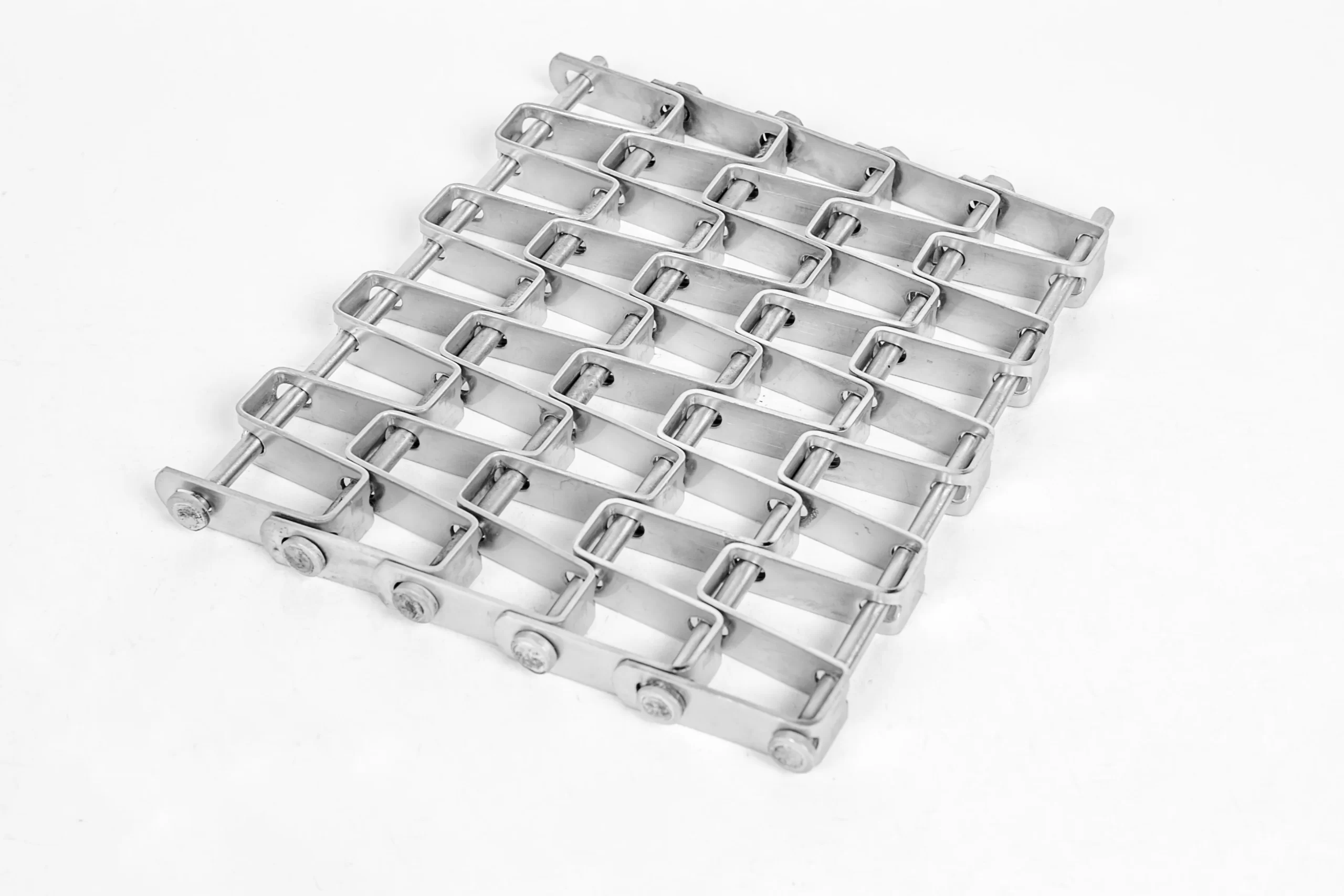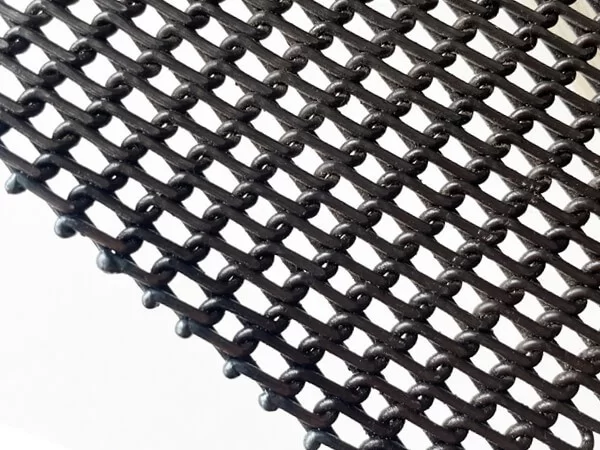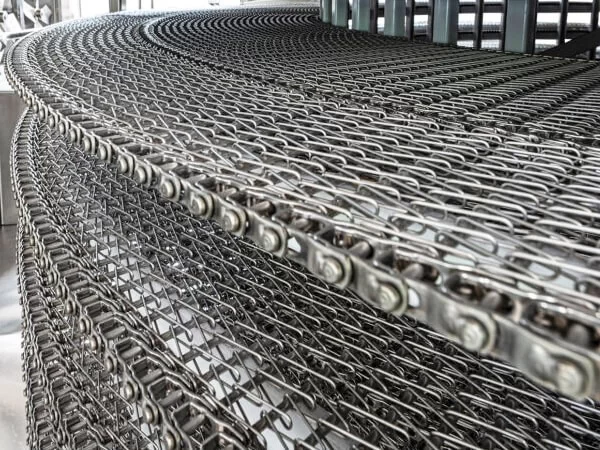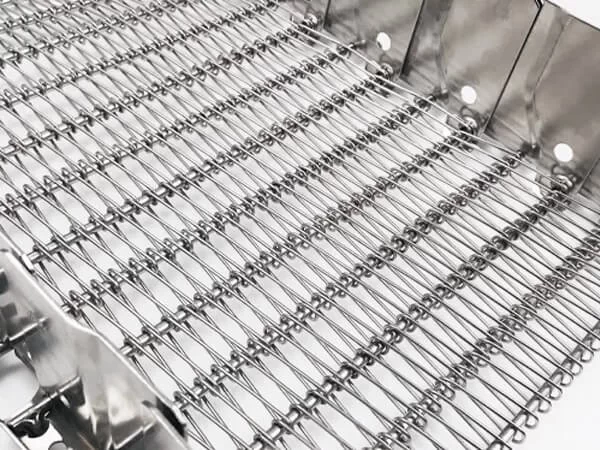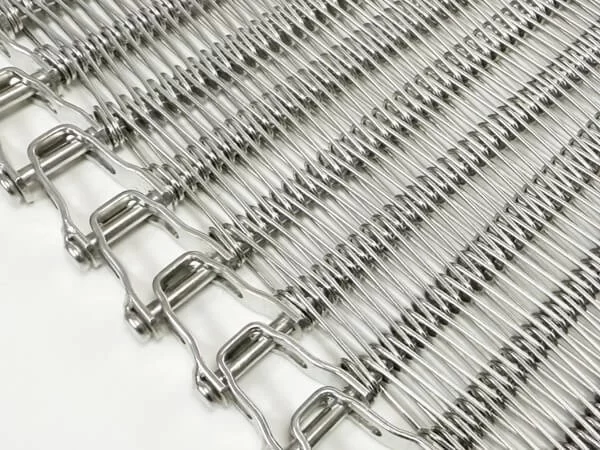
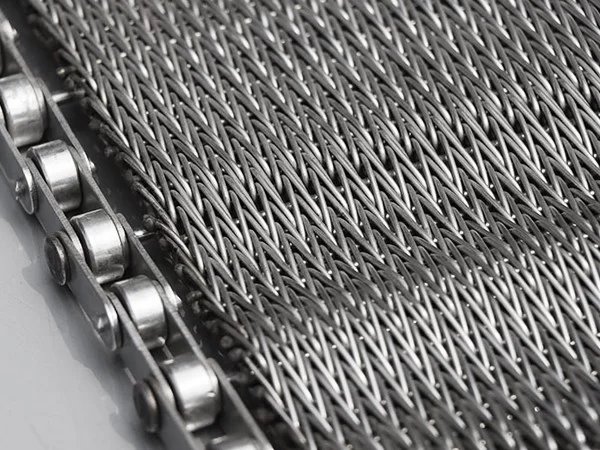
In Brazil, the general equipment manufacturing sector faces unique challenges due to high ambient humidity and the prevalence of saltwater corrosion in coastal industrial zones. The demand for Stainless Steel Wire Mesh Belt has surged as local manufacturers shift away from carbon steel to avoid frequent oxidation and downtime in food processing and automotive parts lines.
The Brazilian market is currently characterized by a transition toward automation. Many legacy factories in São Paulo and Minas Gerais are upgrading their mechanical transmission components to handle higher loads and faster speeds, requiring the stability provided by a Compound Balanced Weave Belt to prevent tracking issues on long conveyor runs.
Economically, the focus has shifted toward "Total Cost of Ownership." Brazilian engineers now prioritize belts that offer longer life cycles and lower maintenance requirements, driving the adoption of advanced weave patterns that resist stretching and deformation under the heavy-duty cycles typical of Brazilian heavy industry.