- Tel: +86 15252586600 / +86 13705250816
- Email: 527966138@qq.com / 1026520412@qq.com

Industrial Biscuit Baking Belts Factory High Quality Rolled Baking Band Suppliers in China

Industrial Biscuit Baking Belts Factory High Quality Rolled Baking Band Suppliers in China
Contact Us Now >
Download
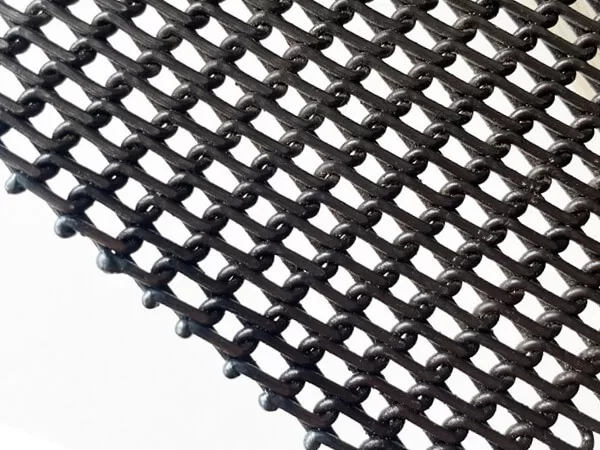
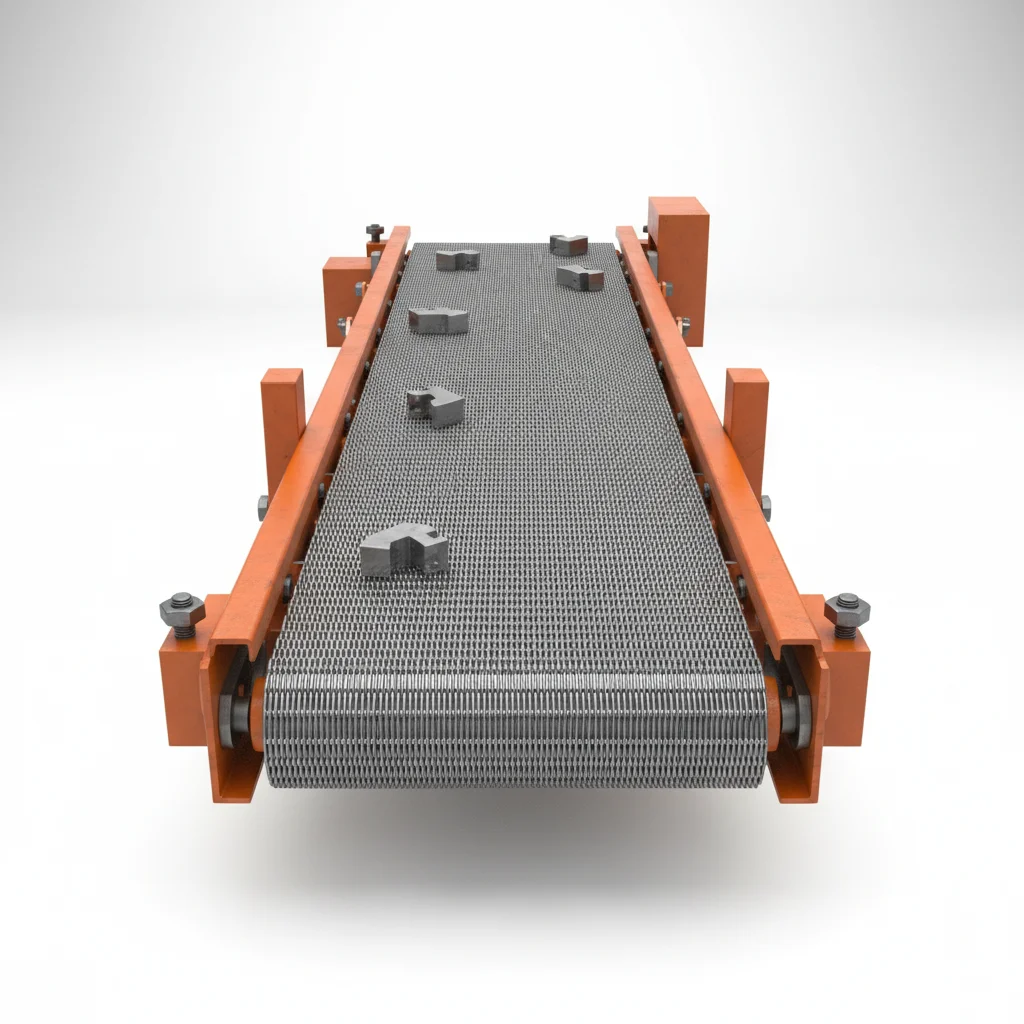
The Biscuit Baking Belt is a high-performance, stratified metal spiral conveyor engineered specifically for industrial bakery applications. By utilizing a precision rolling process on a duplex unilateral spiral woven mesh, this belt achieves a completely flat, smooth surface and reduced thickness. This innovative design minimizes heat inertia while maintaining exceptional strength, ensuring optimal air circulation and uniform heat transfer for professional baking results.
Designed to operate in demanding tunnel ovens with temperatures ranging from +200ºC to +275ºC, these belts are primarily crafted from specially selected Carbon Steel, with Stainless Steel available upon request. Whether conveying soft or hard doughs, the Rolled Baking Band provides a stable, uniform platform that eliminates common baking defects and enhances overall production efficiency in biscuit manufacturing plants worldwide.
Detailed Parameters
| Material Options | Carbon Steel (Standard) / Stainless Steel (Optional) | Temperature Range | +200ºC to +275ºC |
|---|---|---|---|
| Structure Type | Stratified Metal Spiral / Rolled Mesh | Surface Finish | Flat, Smooth, and Uniform |
| Drive Method | Friction-driven via Large Diameter Drum | Common Specification | Z-47 (and other custom Z-types) |
| Edge Design | Looped Edge or Welded Edge | Key Feature | Low Heat Inertia & High Strength |
| Application | Biscuit Tunnel Ovens / Industrial Baking | Ventilation | Bi-directional (Upward & Downward) |
Key Advantages
High Stability
The stratified metal spiral structure ensures superior strength and stability during continuous high-temperature operation.
Extended Lifespan
Engineered for long service life with low maintenance requirements, reducing operational downtime in the bakery.
Optimized Heat Flow
Low heat inertia allows for faster temperature adjustments and more consistent baking results across the belt.
Superior Ventilation
Open mesh allows moisture and gases to escape downward, preventing bubbles on the product's underside.
Perfect Aesthetics
Creates a characteristic and appealing pattern on the bottom of baked goods, enhancing product marketability.
Energy Efficient
Improved air permeability promotes optimal heat circulation, leading to lower energy consumption and faster baking.
Product Gallery
Management Platforms
Material Selection
Customization of Carbon Steel or Stainless Steel based on chemical exposure and temperature.
Specification Control
Precise adjustment of wire thickness and mesh opening for different dough types.
Thermal Monitoring
Designed to maintain structural integrity within the +200ºC to +275ºC range.
Surface Flatness
Rolling process management ensures a perfectly smooth surface for soft dough transport.
Edge Integration
Choice of looped or welded edges to fit specific oven drive system requirements.
Tension Management
High-strength weave prevents stretching, ensuring stable friction-drive operation.
Investment Return Comparison
| Feature | Solid Steel Belts | Rolled Baking Belts |
|---|---|---|
| Heat Distribution | Uneven / High Inertia | Uniform / Low Inertia |
| Ventilation | Surface only | Bi-directional (Top & Bottom) |
| Product Quality | Prone to bottom bubbles | Clean bottom, characteristic pattern |
| Energy Cost | Higher heating time | Reduced energy consumption |
| Maintenance | Frequent surface leveling | Long-term stability & Low maintenance |
Frequently Asked Questions
Q: What is the primary difference between Carbon Steel and Stainless Steel baking belts?
Carbon Steel is the standard choice for most biscuit ovens due to its excellent heat conductivity and cost-effectiveness. Stainless Steel is offered as an upgrade for environments requiring higher corrosion resistance or specific sanitary standards.
Q: Can Rolled Baking Bands be used for all types of dough?
They are ideal for most soft and hard doughs. However, they may not be suitable for doughs with extremely high fat content, as the fat may flow into the mesh during the baking process.
Q: What does the 'Z-47' specification refer to?
Z-47 is the most widely used industry specification for biscuit baking belts. Different Z-types vary in their wire thickness, mesh opening size, and overall belt weight to suit different product weights and baking times.
Q: How does the bi-directional ventilation benefit the final product?
Unlike solid belts, the open mesh allows steam and gases to escape through the bottom. This prevents the formation of unwanted air bubbles on the underside of the biscuit, resulting in a more uniform texture and appearance.
Q: How are these belts driven within the tunnel oven?
These belts are typically friction-driven by a large diameter drum, which is commonly positioned at the out-feed of the tunnel oven to ensure a smooth and steady transport of products.
Q: What is the typical maintenance requirement for these metal belts?
Due to the high-strength stratified structure and precision rolling, these belts require very low maintenance compared to traditional belts, focusing primarily on tension checks and routine cleaning.
Optimize Your Bakery Production with Premium Baking Belts
Contact Us-
 Premium Chain Links for Metal Conveyor Belts | China Factory SuppliersLooking for high-performance chain links? As leading China factory suppliers, we provide customizable carbon steel and stainless steel chain links designed for seamless integration with sprocket wheels to ensure stable, smooth, and efficient conveyor transmission.
-
 Rod Network Conveyor Belts Factory China High Temperature Flat Flex Belt SuppliersLooking for high-performance Rod Network Conveyor Belts? As leading China suppliers and a professional factory, we provide Flat Flex belts with 1200C heat resistance and 30 percent higher tensile strength for industrial conveying.
-
 SelfStacking Spiral Freezer Belts China Factory and Leading SuppliersLooking for high-efficiency Self-Stacking Spiral Freezer Belts? As leading China suppliers and a professional factory, we provide innovative self-supporting conveyor solutions that maximize vertical space, reduce energy costs, and ensure uniform freezing for food processing.
-
 Premium Spiral Freezer Belts China Factory | Professional Industrial Cooler Belt SuppliersLooking for high-performance Spiral Freezer Belts? As leading China suppliers and a certified factory, we provide durable SS304 and SS316 spiral cooler belts designed for maximum airflow, hygiene, and efficiency in food processing industries.
-
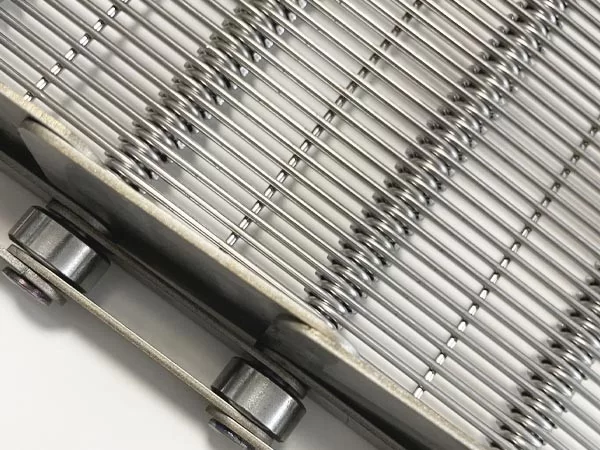 Eye Link Conveyor Belts
, also named Wire Link Conveyor Belts, Eye-Flex Conveyor Belt, Wire Loop Belt. Eye link belts are produced of stainless steel or other alloys. They consist of a series of eye links or eye link modules. Joined with cross rods they form a flat, simple surface, which is extremely stable and durable. The qualities of this versatile conveyor belt form a combination of advantages that make it particularly suitable for the most demanding applications in the food, chemical, pharmaceutical and packaging industries.
-
 Premium Veneer Dryer Wire Mesh Belts China Factory and Reliable SuppliersLooking for high-performance veneer dryer wire mesh belts? As a top China factory and trusted suppliers, we offer heat-resistant stainless and galvanized steel belts stable up to 600C to ensure uniform drying and eliminate defects in plywood manufacturing.
-
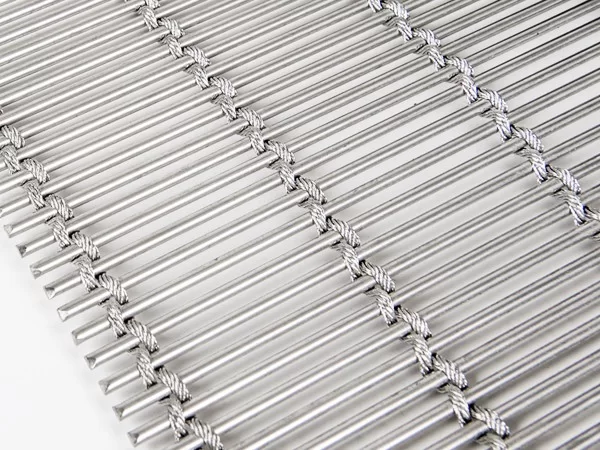 Woven Rod Bar Conveyor Belts
The woven rod bar belt is a specialized conveyor belt known for its durability, heat resistance, and versatile design, making it ideal for various industrial drying and conveying applications, especially in the food, agricultural, and chemical industries.
-
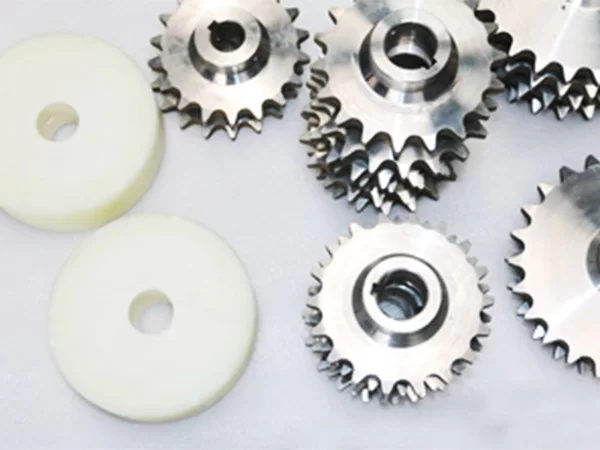 Sprockets
Jiaoyang offers a comprehensive range of standard sprockets and can also manufacture to order sprockets for new or replacement applications to suit any specified belt.
-
 September 05, 2026Efficient Sushi and sashimi production lines mesh belt SystemsMaintaining the delicate texture of raw fish while ensuring high-throughput processing is a primary challenge in modern seafood industrialization. The choice of conveyor material directly impacts food safety, product integrity, and the overall hygiene of the processing environment. In the specific context of sushi and sashimi production, where precision cutting and temperature control are critical, the conveyor system must offer more than just transport. It must facilitate rapid drainage, withstand rigorous sanitization cycles, and prevent the marking of sensitive protein surfaces. Selecting the right Sushi and sashimi production lines mesh belt requires an understanding of the intersection between mechanical durability
-
 September 28, 2026High Quality Wholesale Rod Network Conveyor Belts for IndustryIndustrial conveyor systems rely heavily on the structural precision of their transport medium, especially in high-temperature environments. This guide examines the technical specifications and procurement considerations for Wholesale Rod Network Conveyor Belts , focusing on how material selection and weave patterns influence thermal efficiency and mechanical longevity in B2B manufacturing sectors. In sectors such as powder metallurgy, electronics, and industrial baking, the choice of a metal mesh belt is not merely a procurement decision but an engineering one. The interaction between the belts heat inertia and the ovens airflow can determine the final product quality
-
 September 14, 2026High Quality Wholesale Stainless Steel Wire Mesh Belt SolutionsProcuring Wholesale Stainless Steel Wire Mesh Belt solutions requires a deep understanding of how mechanical transmission components interact with specific industrial environments. In the sector of general equipment and mechanical transmission parts manufacturing, the choice of conveyor belt material and architecture directly determines the throughput and longevity of the production line. Many procurement managers face the challenge of balancing initial capital expenditure with long-term operational costs. Selecting a belt that fails to resist corrosion or sustains deformation under high loads leads to unplanned downtime, increased maintenance frequencies, and compromised product quality, particularly in temperature-sensitive industries.
-
 March 21, 2026Optimizing Material Handling with Durable Flat Flex Conveyor Belt SystemsIn the world of material handling, efficiency and reliability are paramount. Flat Flex Conveyor Belts have emerged as a versatile solution for a wide range of industries. This article will explore the benefits, applications, and key considerations when selecting a flat flex conveyor belt, focusing on how JY Mesh Belt can meet your specific needs. From food processing to logistics, we’ll cover how these belts optimize your operations. Flat Flex Conveyor Belts, also known as modular plastic belts, are constructed from small, interlocking plastic modules. These modules are typically made from materials like polypropylene, offering excellent strength, durability, and resistance to chemicals and temperature extremes. Unlike traditional belts, flat flex belts can be easily disassembled and reassembled, making them ideal for complex conveyor systems with curves, inclines, and declines.
-
 July 20, 2026High Performance Stainless Steel Wire Mesh Belt for IndustryThe global manufacturing sector relies heavily on precision-engineered transmission components to maintain operational efficiency and product quality. Among these, the Stainless Steel Wire Mesh Belt stands out as a critical innovation for industries requiring a balance of strength, flexibility, and thermal stability. By integrating advanced metallurgy with precision weaving, these belts allow for the seamless transport of materials through extreme environments. In the context of modern industrial automation, the demand for materials that can withstand high-temperature oxidation and corrosive chemicals has never been higher. Standard conveyor solutions often fail under the stress of continuous heat treatment or acidic cleaning cycles
-
 June 21, 2026High Precision Semiconductor Material Sintering Mesh Belt GuideOptimizing Production with Semiconductor Material Sintering Mesh Belt In the precision-driven world of semiconductor fabrication, the stability and quality of sintering processes are critical to the final performance of electronic components. The Semiconductor Material Sintering Mesh Belt serves as the backbone of this high-temperature transport system, ensuring that delicate wafers and materials are moved uniformly through sintering furnaces without deformation or contamination. Achieving a perfect sinter requires a conveyor that can withstand extreme thermal stress while maintaining dimensional stability. This article explores the technical nuances, material benefits, and industrial applications of these specialized belts to help engineers optimize their production lines
-
 June 10, 2026High Precision Brazing mesh belt for Industrial Thermal ProcessingThe industrial landscape of mechanical transmission is constantly evolving, with the demand for high-precision components reaching an all-time high. Among these, the Brazing mesh belt stands as a critical element in thermal processing and automated conveyor systems, ensuring that materials are transported with stability and precision under extreme conditions. Understanding the technical nuances of a Brazing mesh belt is essential for engineers and plant managers who seek to optimize throughput while maintaining strict quality control. From heat treatment to electronics soldering, the reliability of the conveyor determines the ultimate integrity of the finished product.
-
 July 27, 2026Industrial Precision Compound Balanced Weave Belt SystemsThe global industrial landscape is increasingly reliant on precision-engineered components to maintain high-throughput production lines. Within the realm of mechanical transmission, the integration of high-performance edge components is critical for ensuring that conveyor systems operate without slippage or instability. Understanding the synergy between specialized chain links and the broader system, such as a Compound Balanced Weave Belt , is essential for optimizing operational efficiency and reducing long-term maintenance costs. Modern manufacturing demands materials that can withstand extreme thermal stress and corrosive environments while maintaining strict dimensional accuracy.
Get Your Custom Solution
Facing challenges with high-temperature conveying? Contact us now.
Our engineers will provide you with expert product consultation and tailored solutions.
Sign up
for our Newsletter
Subscribe to the weekly newsletter for all the latest updates


