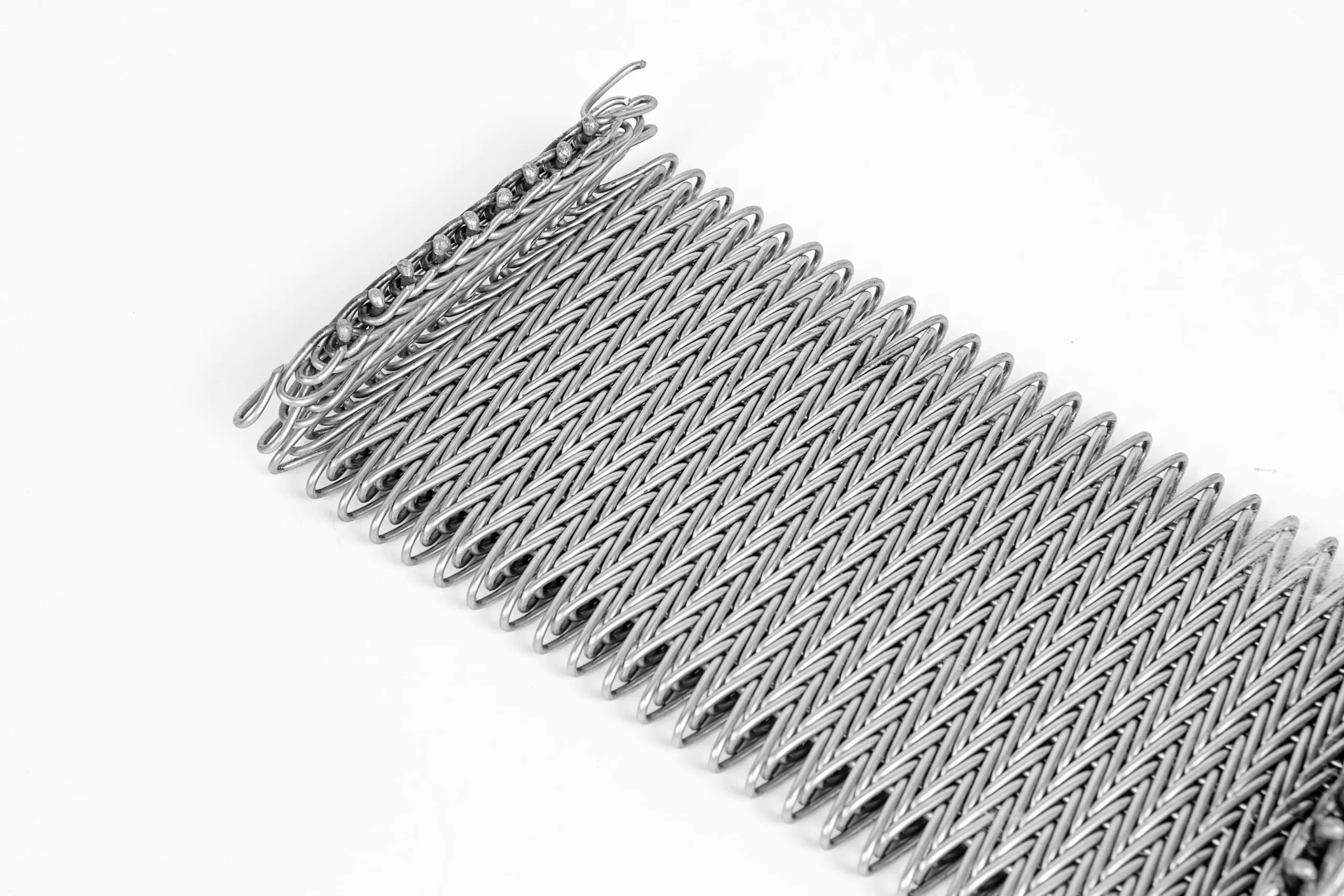
Industrial Conveying Solutions for Sri Lanka Balanced Spiral Conveyor Belt

  • Home
  • Global Service
  • Industrial Conveying Solutions for Sri Lanka Balanced Spiral Conveyor Belt

Industrial Conveying Solutions for Sri Lanka: Balanced Spiral Conveyor Belt

High-performance mechanical transmission components engineered for Sri Lanka's diverse manufacturing sectors, ensuring durability in tropical environments.

Industrial Conveying Solutions for Sri Lanka: Balanced Spiral Conveyor Belt

Providing world-class stainless steel transmission components to optimize production lines across the island of Sri Lanka, from tea processing to electronics assembly.

Current State of Conveyor Technology in Sri Lanka

Analyzing the intersection of industrial growth and environmental challenges in South Asia.

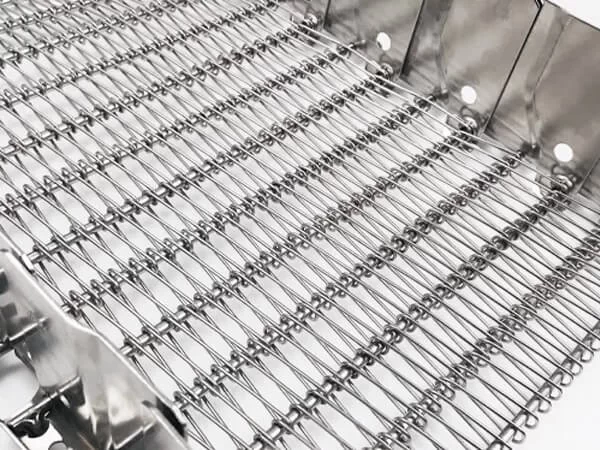
In Sri Lanka, the manufacturing sector faces a unique challenge: high ambient humidity and saline air from coastal proximity. This makes the adoption of the Stainless Steel Wire Mesh Belt essential, as traditional carbon steel components suffer from rapid corrosion, leading to frequent downtime in food and textile plants.

The local market is currently transitioning from manual handling to automated systems. While basic conveyor systems are common, there is a growing demand for specialized Honeycomb Conveyor Belts in the pharmaceutical and chemical sectors where precise airflow and drainage are critical for quality control.

Economically, Sri Lankan manufacturers are prioritizing "Total Cost of Ownership." The shift toward high-grade mechanical transmission parts is driven by the need to reduce maintenance cycles in the garment and rubber industries, where operational efficiency is the primary competitive advantage in the global export market.
Evolution and Development Trajectory

From traditional rubber belts to precision-engineered balanced weaves.

Market Development History

During the 1990s, the Sri Lankan industry relied heavily on basic rubber and fabric belts. These were prone to stretching and contamination, particularly in the booming tea and spice exports, creating a need for more hygienic alternatives.

Between 2005 and 2015, the introduction of Flat Wire Conveyor Belt technology revolutionized the drying and cooling processes. This period marked the shift toward stainless steel, allowing plants to meet international ISO and HACCP food safety standards.

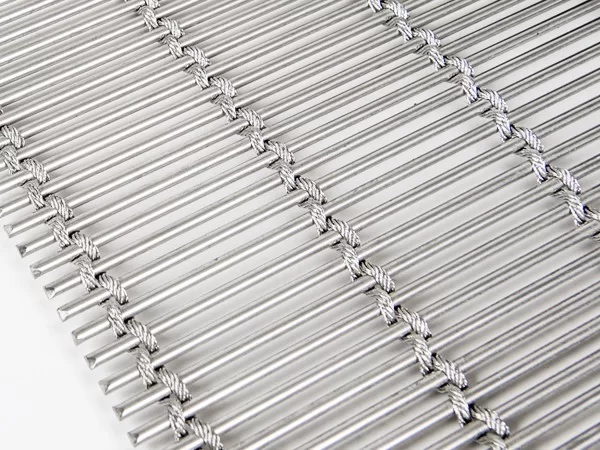
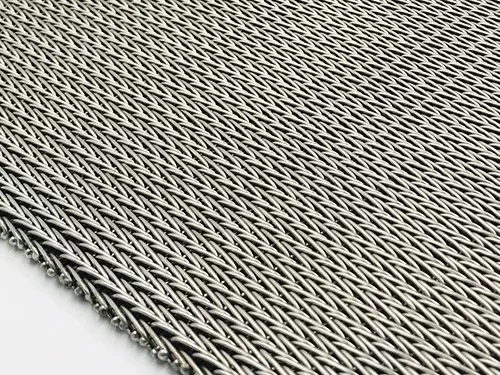
From 2016 to the present, the focus has evolved toward complex geometries. The adoption of Compound Balanced Weave Belt systems has enabled manufacturers to implement multi-stage processing in a smaller footprint, optimizing urban industrial zones in Colombo.

Future Development Trends

Integration of Smart Monitoring

Future belts will incorporate embedded sensors to monitor wear and tension in real-time, reducing unplanned outages in critical Sri Lankan export hubs.

Advanced Material Alloys

We anticipate a shift toward high-nickel alloys to combat the extreme corrosion found in Sri Lanka's coastal industrial zones.

Energy-Efficient Drive Systems

Combining lightweight mesh structures with low-friction polymers to reduce the energy consumption of conveyor motors.

Industry Trends and Future Outlook

Projecting the technological shift in Sri Lankan mechanical transmission.

Eco-Friendly Manufacturing
Transitioning toward recyclable stainless steel components to align with Sri Lanka's green industrial initiatives.
Precision Automation
Integration with PLC systems for variable speed control in complex weaving patterns.
Thermal Optimization
Developing mesh densities specifically for high-heat tropical drying environments.
Hyper-Durable Coatings
Applying advanced nano-coatings to reduce friction and increase belt lifespan in salty air.

Industry Outlook

According to search trends and industrial growth data, Sri Lanka is moving toward a "Smart Factory" model. The demand for precision-engineered belts is expected to grow by 15% annually as local SMEs upgrade their machinery to compete with Asian neighbors.

The long-term outlook emphasizes the convergence of material science and mechanical engineering, where belts are no longer passive components but active elements of the production quality control system.

Local Application Scenarios in Sri Lanka

Tailored conveyor solutions for the island's key economic drivers.

01. Tea Processing & Drying

Using Stainless Steel Wire Mesh Belt in tea withering and drying processes to ensure maximum airflow and prevent contamination during the oxidation stage.

02. Rubber Component Vulcanization

Implementing Flat Wire Conveyor Belt systems in rubber tire and gasket production to withstand high temperatures and chemical exposure during vulcanization.

03. Coconut & Oil Extraction

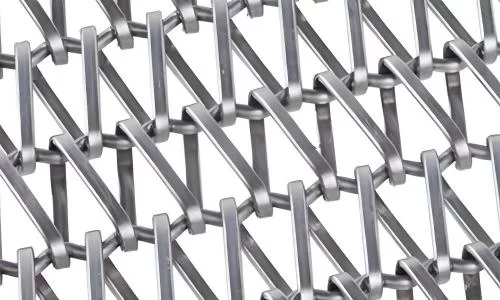
Deploying Honeycomb Conveyor Belts for the efficient transport and drainage of coconut-based products in processing plants.

04. Garment Accessory Finishing

Utilizing Compound Balanced Weave Belt for the precise movement of buttons and zippers through cleaning and coating tunnels.

05. Pharmaceutical Cooling

Using Balanced Spiral Conveyor Belt for space-saving spiral cooling of medical tablets and capsules in urban Colombo labs.

Brand Story

Global Development Journey of Yangzhou JiaoYang Mesh Belt Manufacturing Co., Ltd.

Foundational Excellence

Established with a focus on high-precision weaving, solving the core problem of belt instability in early industrial ovens.

Technological Breakthrough

Developed the balanced weave technology to eliminate belt tracking issues, reducing waste for global clients.

Market Expansion

Expanded into the South Asian market, tailoring products for high-humidity environments like Sri Lanka.

Quality Certification

Achieved international certifications, ensuring every mesh belt meets the strictest global food and safety standards.

Future Vision

Leading the industry toward intelligent, sustainable conveying solutions for the next generation of manufacturing.

Complete Product Portfolio for Sri Lanka

Comprehensive range of mechanical transmission belts designed for durability and efficiency.

Common Questions for Sri Lankan Manufacturers

Expert answers to technical challenges in mechanical transmission.

How does a Stainless Steel Wire Mesh Belt handle Sri Lanka's coastal humidity?

Our belts use AISI 304 and 316 grades of stainless steel, which create a passive oxide layer that prevents corrosion even in saline, high-humidity environments typical of coastal Sri Lanka.

Which is better for tea drying: Flat Wire or Honeycomb Conveyor Belts?

For maximum airflow and uniform drying of tea leaves, Honeycomb Conveyor Belts are superior due to their open-area design, whereas flat wire is better for heavy-load transport.

Can Balanced Spiral Conveyor Belts reduce the factory footprint in Colombo?

Yes, the spiral design allows for vertical cooling or heating, utilizing vertical space and significantly reducing the required floor area in congested urban industrial zones.

How to maintain a Compound Balanced Weave Belt in a rubber plant?

Regular cleaning with non-corrosive solvents and periodic tension checks ensure the balanced weave remains centered, preventing edge wear and prolonging belt life.

What is the lead time for custom mesh belts delivered to Sri Lanka?

Custom engineering and production typically take 2-4 weeks, followed by optimized shipping routes to Colombo or Hambantota ports.

Do these belts meet international food safety standards for export?

Absolutely. All our stainless steel conveyor solutions are designed to be food-grade, meeting FDA and EU standards, which is critical for Sri Lankan exporters.

Ready to Optimize Your Production?

Contact our engineering team for customized mechanical transmission solutions delivered across Sri Lanka.

Contact Us Now

If you are interested in our products, you can choose to leave your information here, and we will be in touch with you shortly.