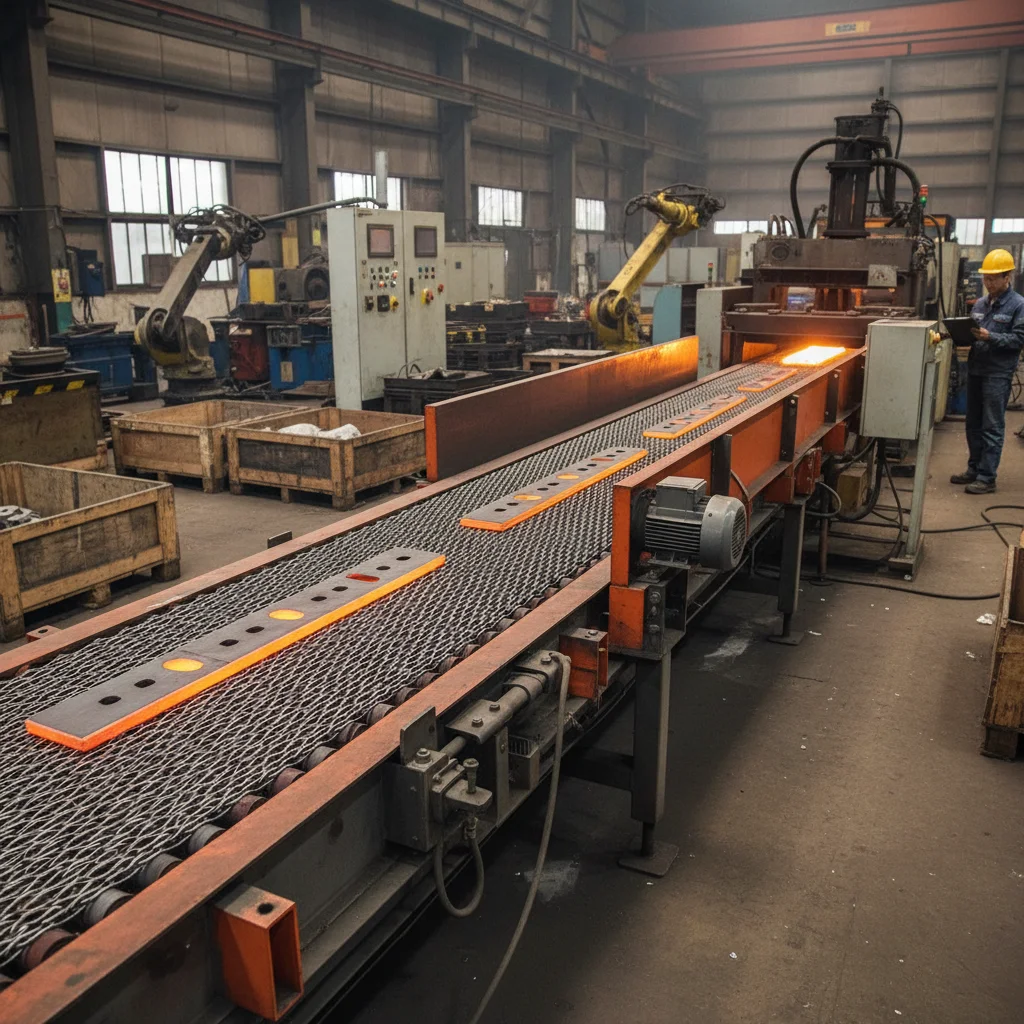
In the demanding landscape of modern industrial manufacturing, the efficiency of material handling systems is paramount to maintaining high throughput and product quality. A high-performance conveyor belt serves as the backbone of these systems, enabling the seamless transport of components through various stages of production, from raw material processing to final packaging. For industries dealing with extreme temperatures or stringent hygiene standards, selecting the right belt architecture is not just a matter of logistics, but a critical factor in operational safety and longevity.
Across the globe, the shift toward automation and precision engineering has increased the reliance on specialized transmission components. The challenge for many manufacturers lies in finding a solution that can withstand corrosive environments, intense heat, and heavy loads without sacrificing tracking stability. This is where engineered mesh solutions emerge as a superior alternative to traditional rubber or plastic belts, offering a combination of durability and permeability that is essential for high-end industrial applications.
Understanding the technical nuances of a conveyor belt is essential for optimizing production lines in food processing, metallurgy, and glass manufacturing. By implementing balanced weave designs, companies can ensure that their products are supported stably while benefiting from maximum airflow and heat resistance. This guide explores the intricacies of Balanced Weave Conveyor Belts and how they address the most pressing challenges in contemporary mechanical transmission.

Understanding Balanced Weave Conveyor Belt Architecture
The Balanced Weave Conveyor Belt is a sophisticated stainless steel construction featuring a symmetrical arrangement of left and right-hand wound spirals. These spirals are intricately connected by crimped cross wires, creating a stable, open-mesh surface. At the belt's edges, the cross wires are securely welded to the spiral wires, ensuring structural integrity even under significant tension or heavy loading conditions.
This specific geometry is engineered to provide a "balanced" effect, which fundamentally eliminates the tendency of the belt to wander or drift during operation. Because the spirals counteract each other, the belt maintains a straight path, which is a critical requirement for long-distance transport systems where misalignment could lead to costly downtime or product damage.
Core Technical Components and Drive Systems
At the heart of these systems is the spiral wirelink design, which is specifically optimized to carry the product load while maintaining maximum permeability. Depending on the application, these belts can be executed with chains on both sides, providing a robust method for propulsion and guidance. The connection between the driving chains and the woven belt is typically achieved through extra cross rods that pass through both the belt's spirals and the chain links, creating a rigid yet flexible interface.
Driving this type of conveyor belt is simplified through the use of precision-engineered chain sprockets. This sprocket-driven mechanism ensures a positive drive, meaning there is zero slippage, which is essential for synchronized production lines where timing and spacing are critical. For applications requiring different edge configurations, options such as welded, hooked, or laddered edges can be implemented to match the specific drive requirements of the facility.
Furthermore, the versatility of the system is enhanced by the ability to add accessories like edge plates and flights. In certain configurations, pins can be bent upwards to create a standing edge, preventing products from falling off the sides. This adaptability allows a single belt design to be customized for everything from conveying small, unsorted goods to transporting heavy, oversized industrial components.
Thermal Resilience and Material Versatility
One of the most striking advantages of the Balanced Weave conveyor belt is its extraordinary temperature tolerance. Engineered to operate in environments ranging from -50ºC to as high as +1350ºC, these belts are indispensable for processes involving extreme thermal shifts. This makes them the primary choice for annealing ovens and lehr systems where standard materials would simply melt or degrade.
The material selection is just as critical as the weave. While stainless steel is the industry standard for its corrosion resistance, these belts can also be manufactured from carbon steel or nickel-chromium alloys to meet specific chemical or heat-treatment requirements. This flexibility ensures that the conveyor belt can survive the most aggressive atmospheric conditions without succumbing to thermal fatigue or oxidation.
Beyond heat, the open-mesh structure is designed for optimal airflow and drainage. This is vital in cooling and freezing applications, where rapid temperature reduction is required. The ability to tailor the mesh density—from wide-open designs for maximum air circulation to close-mesh configurations for small products—ensures that every specific industrial need is met with precision.
Performance Metrics in Industrial Applications
Evaluating the effectiveness of a conveyor belt requires looking at load distribution and tracking stability. In balanced weave systems, the interwoven spirals and cross-rods distribute the weight of the product evenly across the entire width of the belt. This prevents localized stress points and significantly extends the operational lifespan of the mesh, even when transporting heavy industrial loads over large widths.
When compared to other mesh types, the balanced weave consistently outperforms in terms of self-tracking and wear resistance. This is particularly evident in high-speed lines where any slight misalignment can result in friction-induced wear on the edges. By maintaining a symmetrical tension, the system minimizes the need for manual adjustment and reduces the frequency of maintenance interventions.
Performance Comparison of Different Conveyor Belt Types
Global Industry Use Cases and Compliance
In the global food processing industry, hygiene is the absolute priority. Balanced spiral woven belts are manufactured in strict compliance with FDA, GMP, and 1935/2004/EC food safety requirements. This ensures that the conveyor belt is fit for direct active food contact in diverse applications, including baking, frying, drying, cooling, freezing, and pasteurizing. The open mesh not only allows for efficient processing but also simplifies the cleaning process, preventing the buildup of contaminants.
Beyond food, these belts are trusted worldwide in glass production and metal heat treatment. In these sectors, the belt must survive extreme thermal fatigue and corrosive environments. Whether it is a packaging line in Europe or a heavy-duty metal treatment plant in Asia, the reliability of the balanced weave ensures that operational downtime is minimized, providing a stable platform for complex conveyor layouts involving inclined transport and product separation.
Long-term Value and Maintenance Advantages
Investing in a high-quality balanced weave conveyor belt yields significant long-term financial value through reduced maintenance and increased equipment uptime. The robust construction—combining stainless steel and precision welding—offers high resistance to wear and corrosion. Unlike rubber belts that stretch or plastic belts that warp under heat, the metal woven structure maintains its dimensions and tension over years of service.
Maintenance is further simplified by the belt's self-tracking nature. Because the symmetrical spiral design prevents "belt wander," technicians spend far less time adjusting tracking guides. When wear does eventually occur, the modular nature of the chain-driven edges allows for targeted repairs rather than a full system replacement, drastically lowering the total cost of ownership.
From an emotional and logical perspective, this reliability builds trust within the production team. Operators can run machines at optimal speeds without the constant fear of a belt snap or misalignment causing a catastrophic line failure. This stability fosters a safer working environment and allows engineers to focus on process optimization rather than constant firefighting.
Future Innovations in Mesh Belt Technology
The future of the conveyor belt is leaning heavily toward digital transformation and the integration of "smart" materials. We are seeing a move toward belts that can incorporate embedded sensors to monitor tension and temperature in real-time. This transition toward Industry 4.0 allows for predictive maintenance, where the system can alert operators to potential wear points before a failure occurs, ensuring 100% availability.
Sustainability is also driving innovation in material science. New alloys are being developed that offer even higher temperature resistance while reducing the overall weight of the belt, thereby lowering the energy consumption of the drive motors. Green energy initiatives are prompting the design of more efficient sprocket systems that reduce friction and carbon emissions during high-speed operation.
Additionally, the customization of mesh density is becoming more precise through advanced computer-aided design (CAD) and automated weaving. This allows for the creation of compound balanced configurations that can handle varied product shapes on a single run, increasing the flexibility of the manufacturing line to adapt to changing market demands.
Analysis of Balanced Weave Belt Specifications Across Applications
| Application Sector |
Temperature Range |
Mesh Density |
Priority Requirement |
| Industrial Baking |
200°C to 400°C |
Medium/Close |
FDA Compliance |
| Metal Annealing |
800°C to 1150°C |
Wide Open |
Thermal Stability |
| Quick Freezing |
-40°C to 0°C |
Open Mesh |
Airflow Velocity |
| Glass Lehr |
500°C to 900°C |
Standard |
Straight Tracking |
| Pasteurization |
60°C to 120°C |
Close Mesh |
Corrosion Resistance |
| General Packaging |
Ambient |
Custom |
Load Distribution |
FAQS
Balanced weave belts are made from high-grade stainless steel or nickel-chromium alloys, allowing them to withstand temperatures up to 1150°C. Unlike rubber or plastic, they do not degrade, melt, or emit toxic fumes under extreme heat, making them ideal for annealing and lehr conveyor systems.
The belt features a symmetrical design with alternating left and right-hand wound spirals. These opposing forces cancel each other out, creating a naturally straight-running path that eliminates the "wander" common in single-spiral belts, reducing the need for constant manual tracking adjustments.
Yes, our Balanced Weave Conveyor Belts are manufactured in strict compliance with global food safety standards, including FDA, GMP, and 1935/2004/EC. This ensures they are non-toxic and suitable for active food contact applications like baking, frying, and pasteurizing.
Absolutely. We offer full customization for both length and width to match your specific equipment dimensions. Additionally, you can specify the mesh density, material type (stainless vs. carbon steel), and edge configurations (chain-driven or welded) to fit your unique production requirements.
Maintenance is minimal due to the high wear resistance of the materials. Periodic inspections of the drive sprockets for wear and ensuring the chains are properly lubricated are the primary requirements. The self-tracking nature of the balanced weave further reduces the need for frequent mechanical alignment.
Depending on your application, you can equip the belt with side guards to prevent product fallout, flights for inclined conveying, or edge plates for enhanced stability. Some types also support bent-up pins to create a standing edge for better containment.
Conclusion
The Balanced Weave Conveyor Belt represents a pinnacle of mechanical transmission engineering, offering an unmatched blend of thermal resilience, tracking stability, and hygienic compliance. By solving the critical industry problems of belt wander and thermal degradation, it enables manufacturers in the food, glass, and metal sectors to operate their production lines with unprecedented reliability. From its symmetrical spiral architecture to its compliance with FDA and GMP standards, every detail is designed to maximize throughput and minimize operational risk.
As we move toward a future of smarter, more sustainable manufacturing, the adoption of high-performance mesh solutions will be key to achieving higher efficiency and lower maintenance costs. For any facility looking to upgrade its material handling capabilities or design a new high-temperature process, investing in a balanced weave system is a strategic move toward long-term operational excellence. Visit our website for professional consultation and custom solutions: www.jymeshbelt.com