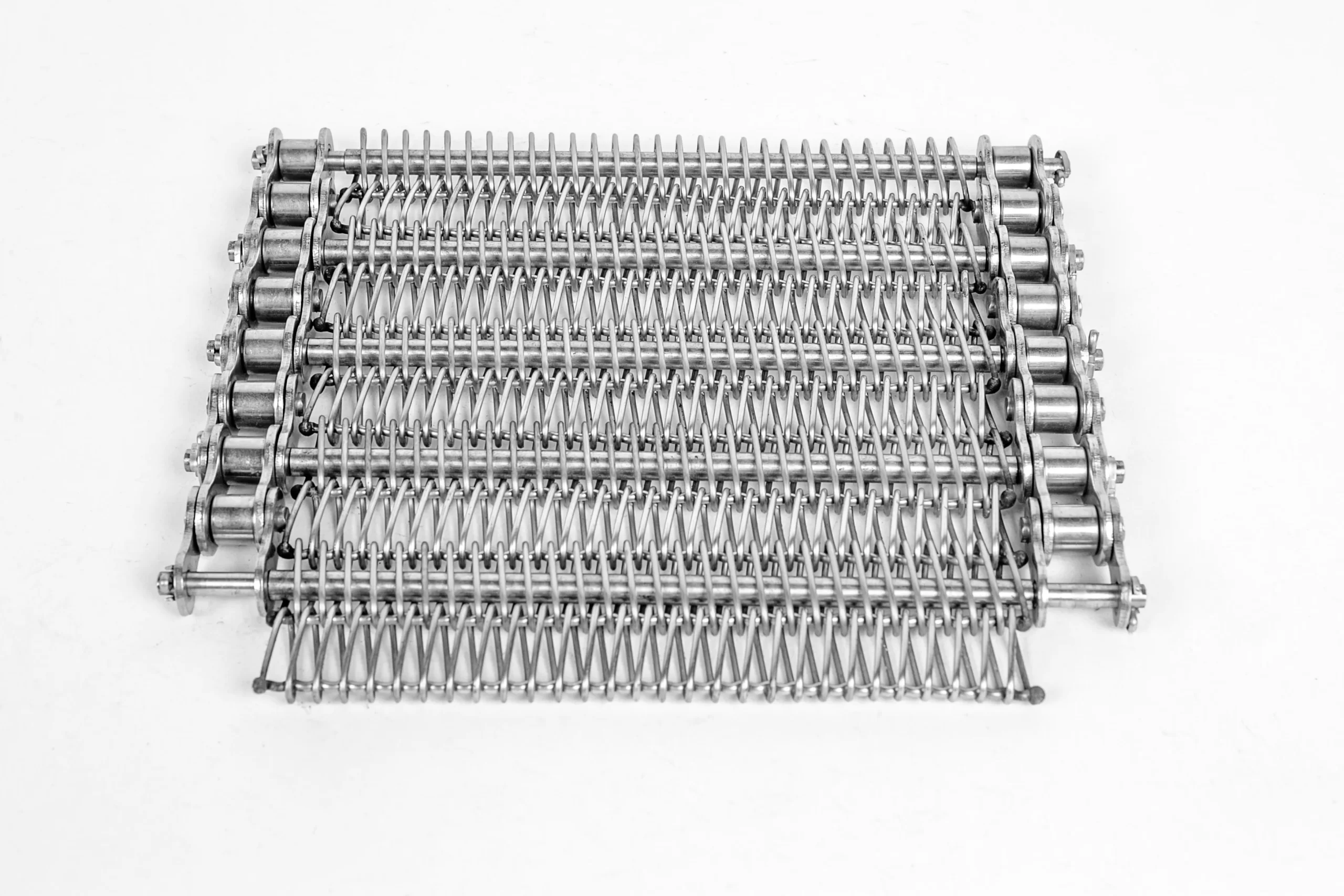
Industrial Conveying Solutions with Compound Balanced Weave Belt in North Korea

  • Home
  • Global Service
  • Industrial Conveying Solutions with Compound Balanced Weave Belt in North Korea

Industrial Conveying Solutions with Compound Balanced Weave Belt in North Korea

High-performance mechanical transmission components engineered for the rigorous demands of North Korea's heavy industry and food processing sectors.

Industrial Conveying Solutions with Compound Balanced Weave Belt in North Korea

Providing the most durable and precision-engineered wire mesh belts to optimize production lines across North Korea's manufacturing hubs.

Current State of Transmission Components in North Korea

Analyzing the intersection of heavy industrial heritage and modern material requirements.

The manufacturing landscape in North Korea is characterized by a strong emphasis on heavy industry and state-led production. In the realm of mechanical transmission, there is a critical transition from legacy carbon steel components to more corrosion-resistant materials like the Stainless Steel Wire Mesh Belt, driven by the need for longer lifecycles in harsh industrial environments.

Due to the region's distinct climatic variations—including humid summers and freezing winters—equipment durability is a primary concern. The adoption of specialized belts such as Honeycomb Conveyor Belts has increased in chemical and textile plants to ensure stability under extreme thermal stress and high load capacities.

Current market dynamics show a growing demand for integrated automation. While traditional belt systems were manually operated, there is a visible shift toward high-precision components like the Balanced Spiral Conveyor Belt to facilitate continuous processing in the emerging food preservation and pharmaceutical sectors.
Evolution and Technical Trajectory of Conveying Systems

From basic mechanical weaves to high-precision balanced engineering.

Market Development History

Historically, the North Korean industry relied on simple woven steel belts from the 1960s to 1980s, which were prone to stretching and misalignment. These early systems lacked the geometric stability required for high-speed production, leading to frequent downtime and high maintenance costs.

Entering the 1990s and early 2000s, the introduction of Flat Wire Conveyor Belt technology marked a significant leap. This transition allowed for better heat distribution and smoother transport, which was essential for the modernization of the domestic metallurgical and mining sectors.

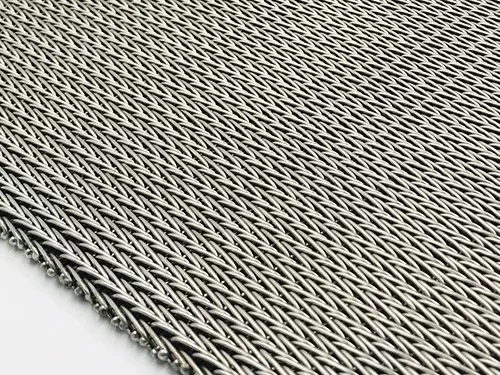
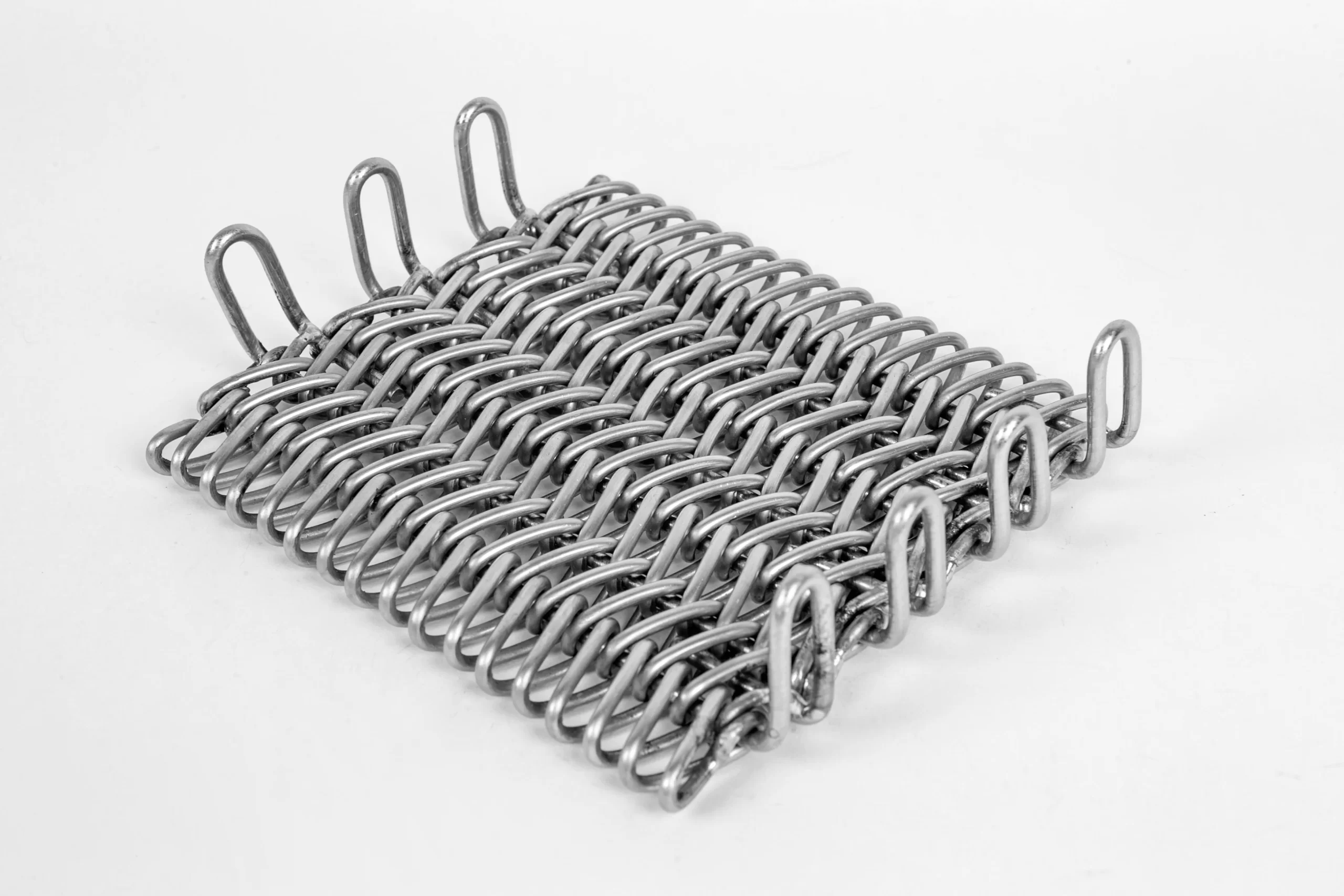
In the last decade, the focus has shifted toward "Balanced Technology." The implementation of the Compound Balanced Weave Belt has solved the long-standing issue of belt tracking, enabling complex spiral movements and precise alignment in automated production lines.

Future Development Trends

Integration of Smart Sensors

Future systems will integrate IoT sensors directly into the mesh structure to monitor wear and tension in real-time, reducing unplanned outages in state factories.

Ultra-High Temperature Alloys

There is a growing trend toward the use of specialized nickel-alloys in wire mesh to withstand the extreme temperatures found in advanced smelting processes.

Eco-Friendly Lubrication Systems

Driven by global environmental standards, the focus is shifting toward self-lubricating mesh designs that minimize the use of industrial oils during transmission.

Industry Outlook and Future Strategic Directions

Predicting the next 3-5 years of mechanical transmission evolution in the region.

Precision Tracking Optimization
Increased adoption of balanced weave structures to eliminate lateral drift in high-speed conveyor systems.
Material Grade Upgrade
Shift toward 316L and specialty alloys to enhance corrosion resistance in chemical-heavy processing plants.
Modular System Design
Development of quick-change modular belt sections to reduce maintenance downtime in 24/7 operations.
Energy Efficient Drive
Reducing friction coefficients in mesh designs to lower the power consumption of conveyor motors.

Industry Outlook

Based on search trend analysis for industrial components in the East Asian region, we anticipate a surge in demand for "low-maintenance" and "high-stability" conveyor belts. The North Korean market will likely move toward standardized mesh sizes that allow for easier replacement and global compatibility.

Furthermore, as the region invests more in food security and processed agricultural exports, the demand for hygienic-grade Balanced Spiral Conveyor Belt systems will grow, shifting the market from basic industrial use to specialized food-grade standards.

Local Application Scenarios in North Korea

Real-world implementations across key industrial sectors.

1. State-Run Metallurgical Plants

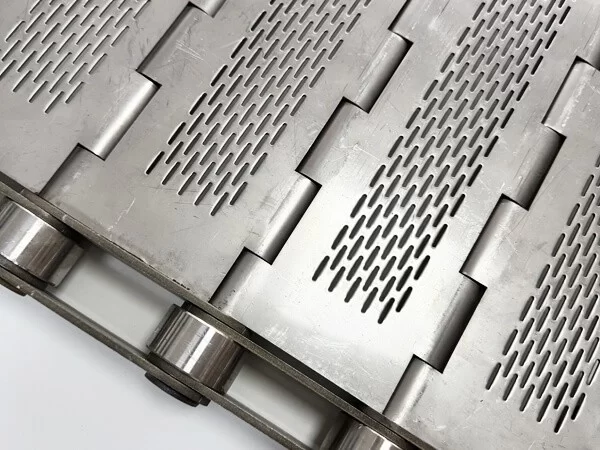
Using high-strength Flat Wire Conveyor Belt for the transport of heated steel components and cooling processes, ensuring thermal stability.

2. Industrial Food Processing Hubs

Implementing Balanced Spiral Conveyor Belt for space-saving vertical cooling and frying of processed snacks and preserved foods.

3. Textile and Chemical Factories

Application of Honeycomb Conveyor Belts in chemical drying lines to provide maximum airflow and resistance to corrosive agents.

4. Pharmaceutical Production Lines

Utilizing Stainless Steel Wire Mesh Belt to meet strict hygiene requirements during the sterilization and packaging of medical supplies.

5. Heavy Machinery Assembly Plants

Integrating Compound Balanced Weave Belt for the heavy-duty transport of precision-machined parts across assembly floors.

Brand Story

Global Development Journey of Yangzhou Jiao Yang Mesh Belt Manufacturing Co., Ltd.

Foundational Engineering Excellence

Established with a mission to solve the instability of traditional conveyor belts, we began by perfecting the weave density for industrial applications.

Innovation in Balanced Weaving

We pioneered the "Balanced" series, specifically addressing the pain point of belt tracking and misalignment in high-speed production lines.

Material Science Breakthroughs

By expanding our R&D into high-grade stainless steels, we enabled our clients in corrosive environments to triple their equipment lifespan.

Global Market Expansion

Our reach expanded from regional supply to global distribution, providing customized mesh solutions for the most demanding industries worldwide.

Commitment to Industrial Efficiency

Today, we continue to optimize the synergy between mechanical transmission and operational efficiency, ensuring zero-waste production for our partners.

Comprehensive Product Portfolio for North Korea

Our full range of transmission solutions tailored for the regional industrial infrastructure.

Frequently Asked Questions for the North Korean Market

Technical guidance and procurement insights for transmission components.

How to choose the right Stainless Steel Wire Mesh Belt for extreme cold?

For North Korea's winter climate, we recommend using 304 or 316L stainless steel, which maintain ductility and corrosion resistance at low temperatures, preventing brittle fractures during operation.

What are the benefits of a Balanced Spiral Conveyor Belt in food processing?

The balanced design ensures the belt stays centered during the spiral descent, which is critical for maintaining food product integrity and reducing mechanical wear in space-constrained factories.

Can Compound Balanced Weave Belt handle heavy industrial loads?

Yes, the compound weave combines the strength of heavy-duty wires with the stability of balanced weaving, making it ideal for the heavy machinery sector in North Korea.

How does the airflow in Honeycomb Conveyor Belts improve drying efficiency?

The hexagonal open-area design allows for maximum vertical air penetration, reducing drying time and energy consumption in industrial chemical and textile plants.

What is the expected lifespan of a Flat Wire Conveyor Belt in mining?

Depending on the material grade and load, our flat wire belts typically last 3-5 times longer than standard carbon steel belts due to their superior wear resistance and structural rigidity.

How do I prevent tracking issues with my wire mesh conveyor?

Switching to a balanced weave structure is the most effective solution. These belts are engineered to distribute tension evenly across the width, naturally resisting lateral drift.

Get Expert Technical Consultation

Optimize your production lines with the world's leading mesh belt technology. We provide customized engineering support for all industrial projects in North Korea.

Contact Us Now

If you are interested in our products, you can choose to leave your information here, and we will be in touch with you shortly.