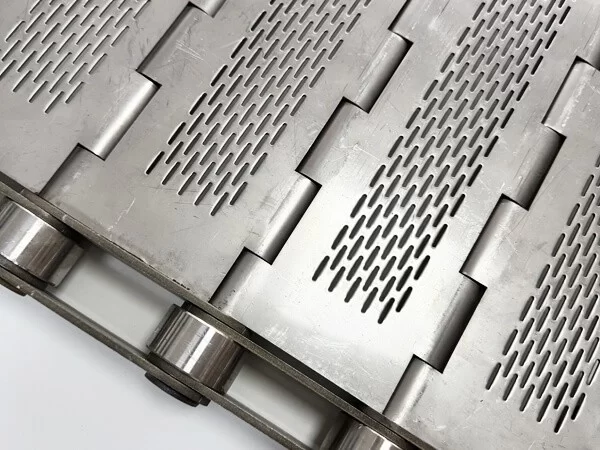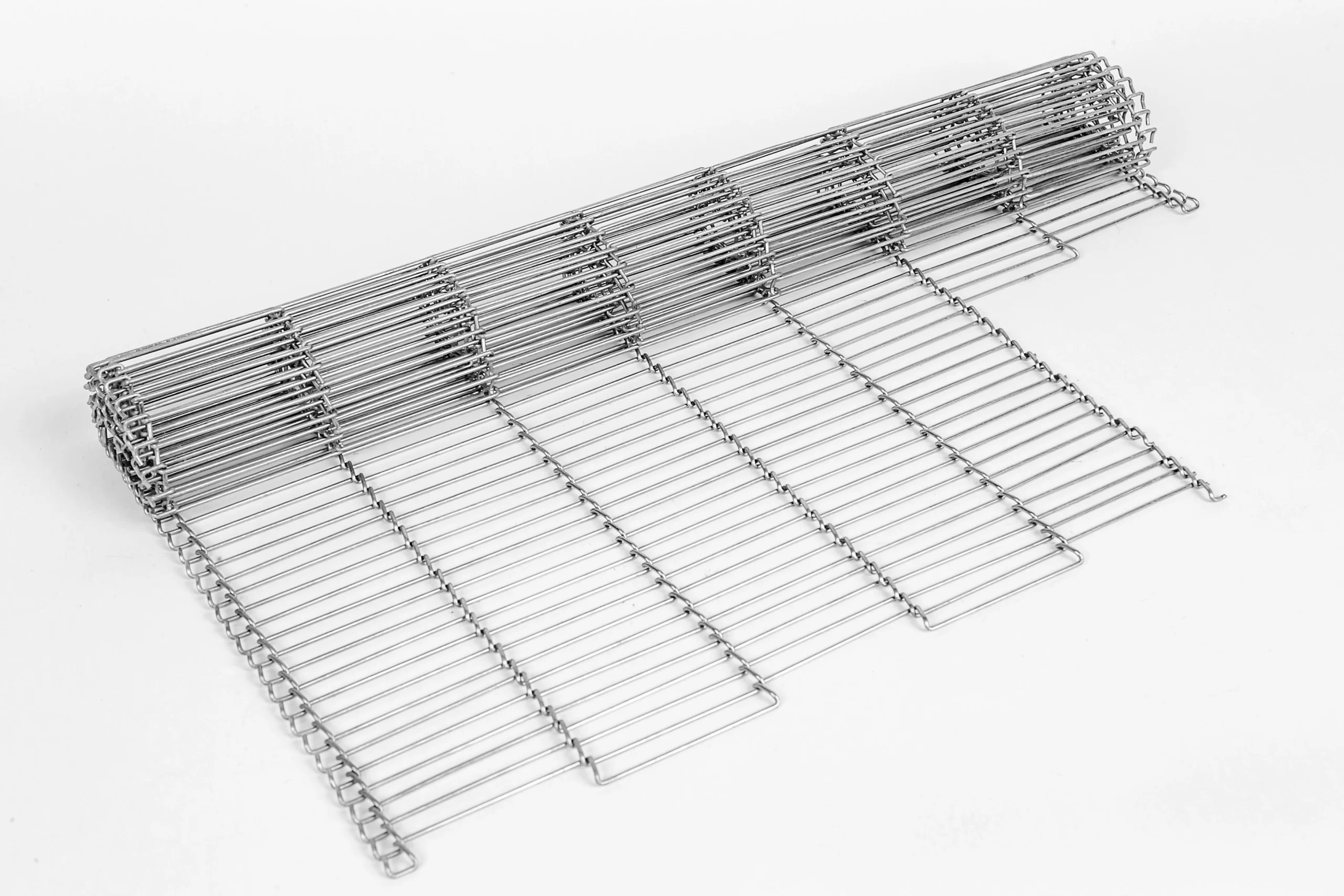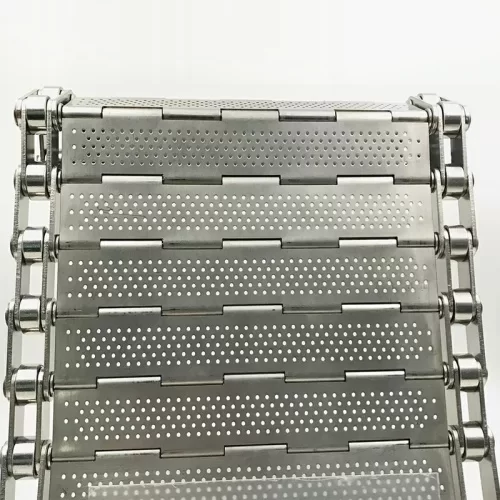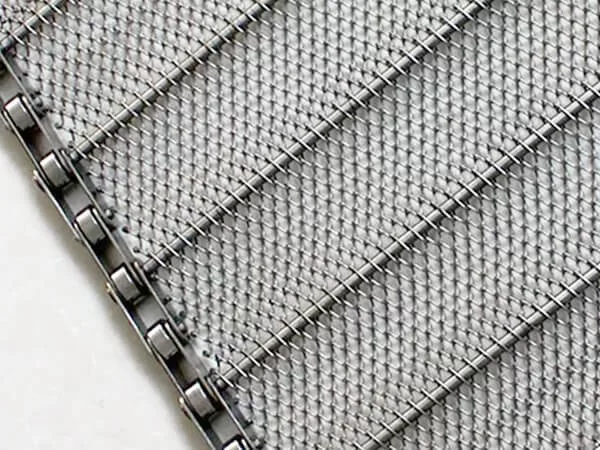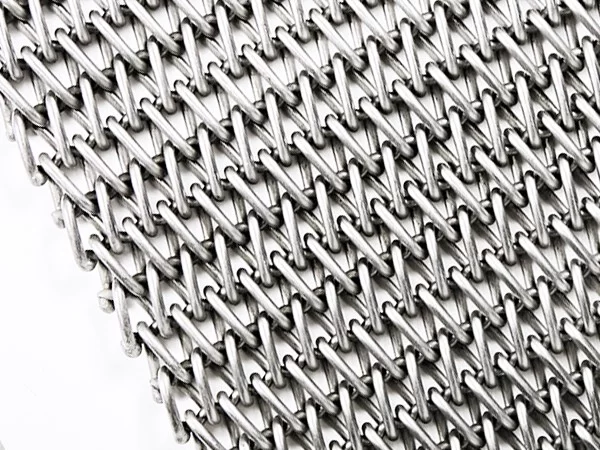
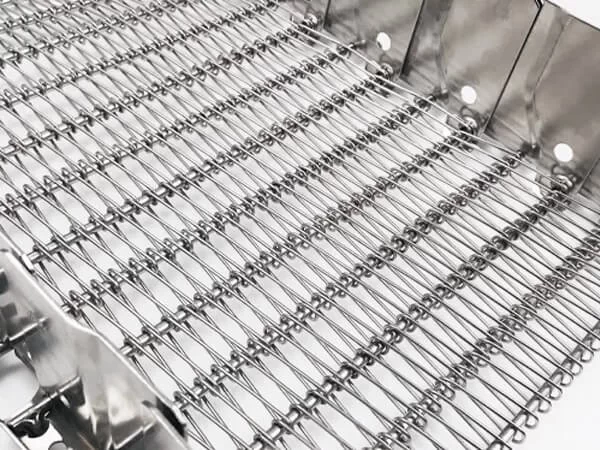
The Japanese manufacturing sector, renowned for its "Monozukuri" philosophy, currently demands an extreme level of precision in mechanical transmission. With the high humidity of the archipelago and the stringent hygiene requirements of the pharmaceutical and food sectors, the adoption of Stainless Steel Wire Mesh Belt has become the industry standard to prevent corrosion and ensure longevity.
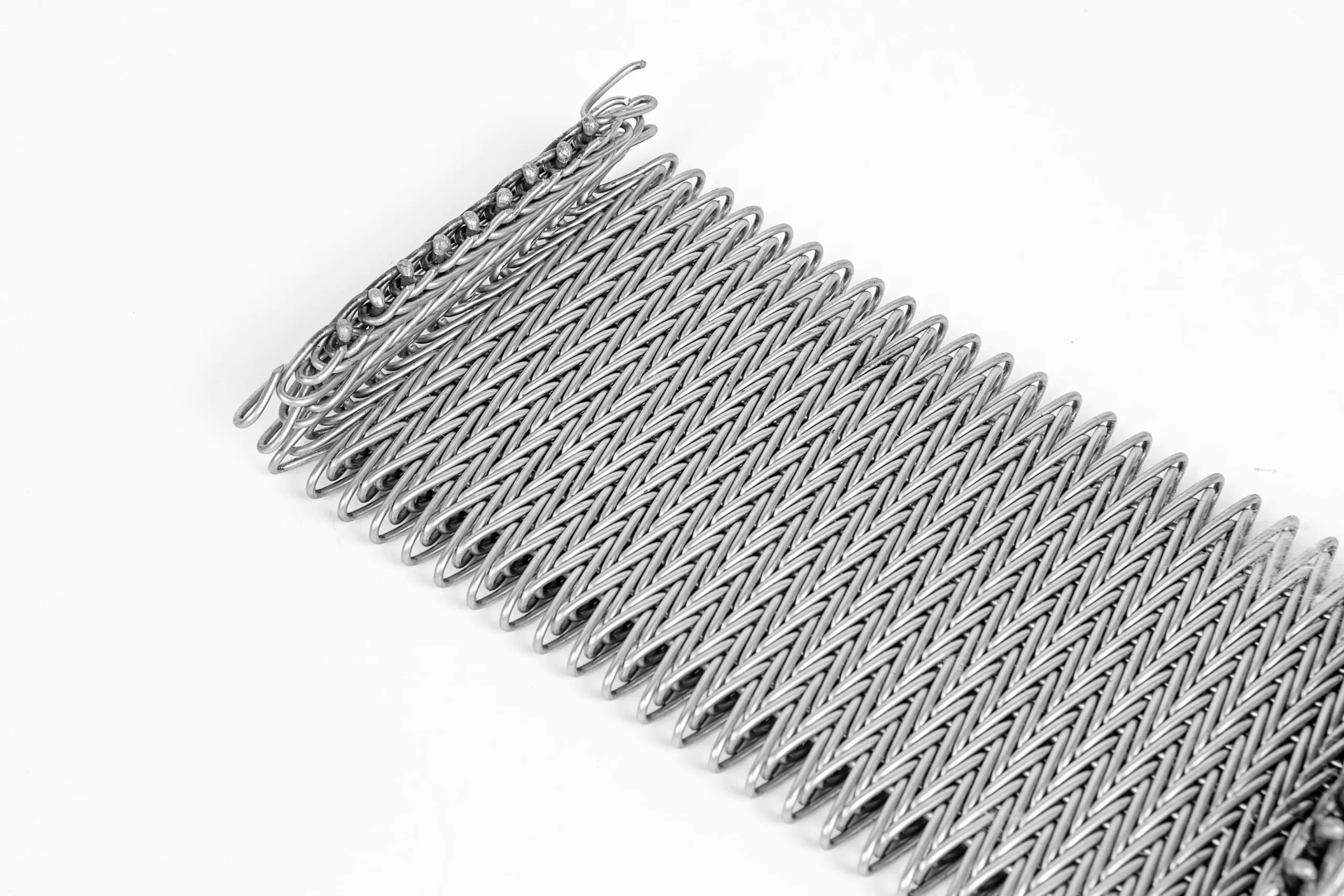
In urban industrial hubs like Osaka and Nagoya, space optimization is critical. This has led to a surge in demand for vertical and spiral transport systems. The integration of the Compound Balanced Weave Belt allows Japanese factories to maximize throughput within a minimal footprint while maintaining structural integrity during high-speed transitions.
Furthermore, the shift towards "Society 5.0" in Japan has pushed the industry toward smarter, lower-friction components. There is a growing trend of replacing traditional rubber belts with Honeycomb Conveyor Belts to improve airflow and thermal efficiency in cooling and drying processes, reflecting the region's commitment to energy efficiency.