HighPrecision Balanced Spiral Conveyor Belt Solutions for South Korea Industrial Automation

  • Home
  • Global Service
  • HighPrecision Balanced Spiral Conveyor Belt Solutions for South Korea Industrial Automation

High-Precision Balanced Spiral Conveyor Belt Solutions for South Korea Industrial Automation

Engineering superior transmission components for South Korea's high-tech manufacturing sectors, ensuring thermal stability and hygienic efficiency.

High-Precision Balanced Spiral Conveyor Belt Solutions for South Korea Industrial Automation

Our advanced conveyor belt engineering optimizes production throughput for South Korean electronics, semiconductor, and food processing industries, utilizing medical-grade stainless steel for maximum durability.

Industrial Landscape of Conveyor Systems in South Korea

Analyzing the synergy between precision engineering and South Korea's Smart Factory initiatives.

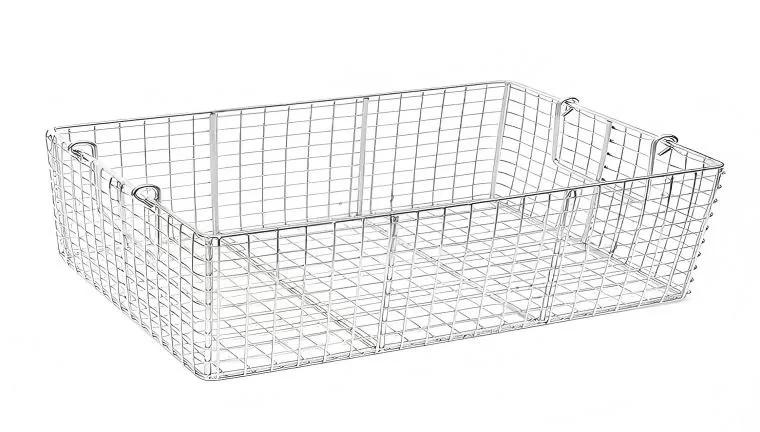
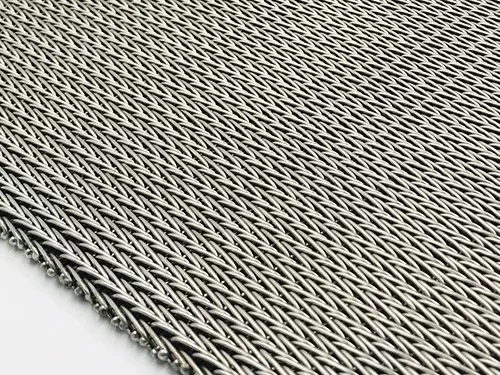
South Korea's manufacturing sector is characterized by a rapid shift toward "Industry 4.0" and highly automated smart factories. The demand for high-performance Stainless Steel Wire Mesh Belt systems has surged as local firms prioritize hygiene and precision to maintain their global leadership in electronics and automotive components.

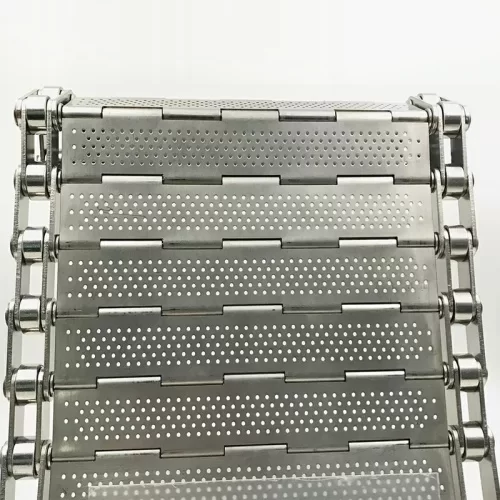
Due to South Korea's humid coastal climate and strict regulatory standards in the food and pharmaceutical industries, there is a critical requirement for corrosion-resistant materials. This has led to the widespread adoption of Honeycomb Conveyor Belts, which provide excellent aeration and thermal distribution for drying and cooling processes.

Furthermore, the concentration of high-tech industrial clusters in regions like Gyeonggi and Incheon necessitates conveyor components that can integrate with robotic sorting systems. The local market now demands belts that minimize vibration and tracking errors, pushing the adoption of balanced weave technologies.
Evolution and Technological Trajectory in South Korea

From basic mesh structures to intelligent, balanced transmission systems.

Market Development History

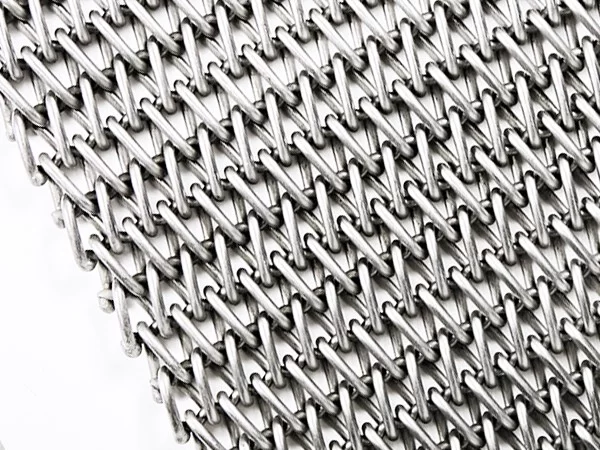
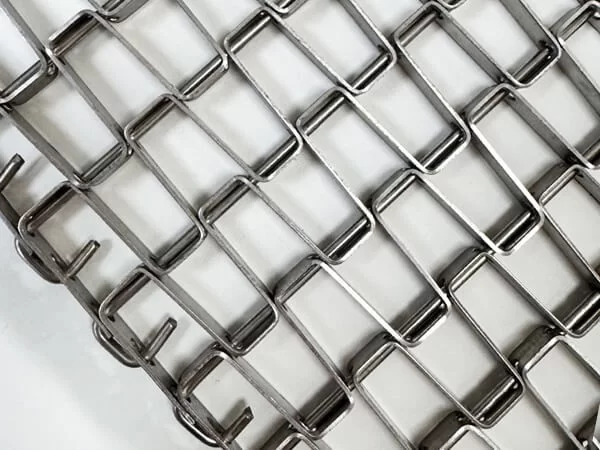
In the 1980s and 90s, the South Korean market relied heavily on basic carbon steel mesh for heavy industrial use. However, the rise of the global K-Food and K-Beauty exports in the early 2000s triggered a transition toward Flat Wire Conveyor Belt designs to meet international sanitary standards (FDA/EU).

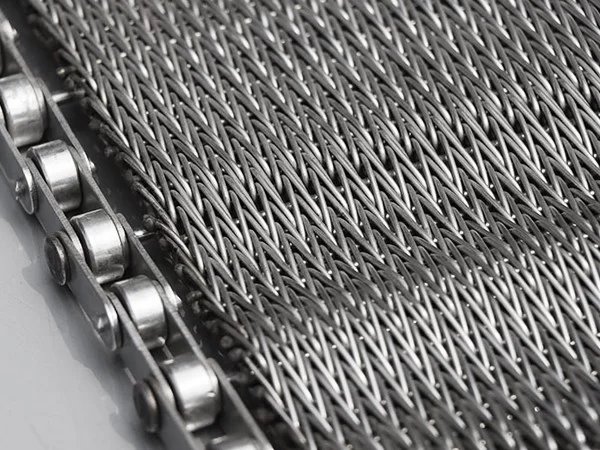
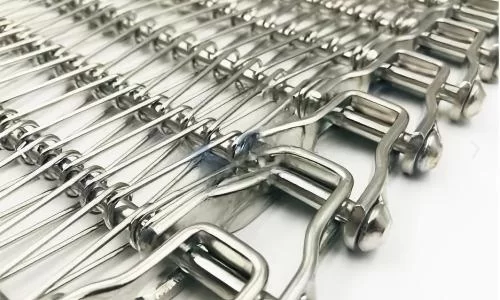
Between 2010 and 2020, the focus shifted toward space-saving efficiencies. This era saw the introduction of the Compound Balanced Weave Belt, allowing Korean manufacturers to implement multi-stage processing within smaller footprints without sacrificing belt stability.

Since 2021, the integration of IoT sensors into conveyor frameworks has become the norm. Modern systems now emphasize "Zero-Maintenance" goals, focusing on high-tensile materials that resist stretching and wear under continuous 24/7 operation cycles typical of South Korean semiconductor fabs.

Future Development Trends

Nano-Coated Surface Technology

Future belts will likely incorporate nano-coatings to reduce friction and prevent residue buildup, further enhancing the efficiency of Stainless Steel Wire Mesh Belt applications in ultra-clean environments.

AI-Driven Predictive Wear Monitoring

Integrating embedded sensors within the weave to monitor tension and wear in real-time, reducing unplanned downtime in high-speed Korean production lines.

Eco-Friendly Sustainable Metallurgy

A shift toward recycled high-grade alloys to align with South Korea's "Green New Deal," focusing on reducing the carbon footprint of heavy machinery components.

Strategic Trends and Future Outlook for Korean Transmission Parts

Navigating the intersection of material science and automation efficiency.

Ultra-Precision Tracking
Implementing tighter tolerances in belt weaving to eliminate lateral drift in high-speed automated lines.
Thermal Optimization
Designing belts with enhanced heat conductivity for the rapid cooling required in Korean battery cell production.
Hygiene Compliance
Developing seamless weave structures to eliminate bacterial traps, meeting strict K-FDA guidelines.
Material Sustainability
Utilizing low-carbon smelting stainless steel to meet South Korea's corporate ESG targets.

Industry Outlook

The South Korean market is expected to shift toward modular conveyor systems where the belt is not just a carrier but a functional part of the processing (e.g., integrated heating or cooling). Search trends indicate a growing interest in "high-tension low-stretch" alloys to support faster line speeds.

As the regional economy pivots further toward biotechnology and advanced semiconductors, the demand for non-contaminating, high-stability belts will outpace general-purpose mesh, favoring specialized balanced weave architectures.

Localized Application Scenarios in South Korea

Tailored conveyor solutions for South Korea's most demanding industrial sectors.

01. Semiconductor Wafer Transport

Utilizing ultra-smooth Flat Wire Conveyor Belt systems in cleanroom environments to prevent particle contamination during wafer movement.

02. K-Food Industrial Baking

Applying Honeycomb Conveyor Belts in commercial bakery lines for uniform heat distribution and rapid airflow during the cooling phase.

03. Automotive Battery Component Drying

Implementing Compound Balanced Weave Belt for high-temperature drying of electrolyte-coated separators, ensuring zero belt deformation.

04. Pharmaceutical Tablet Cooling

Using Balanced Spiral Conveyor Belt systems to maximize vertical space for the gradual cooling of medication tablets in urban factories.

05. Marine Equipment Component Coating

Deploying heavy-duty Stainless Steel Wire Mesh Belt for the transport and curing of salt-resistant coatings for Ulsan's shipbuilding industry.

Brand Story

Global Development Journey of Yangzhou JiaoYang Mesh Belt Co., Ltd.

Foundational Excellence

Established with a focus on the core mechanics of wire weaving, solving the early industry pain point of belt instability and frequent breakage.

Material Innovation

Pioneered the use of high-grade 304 and 316L stainless steel to address corrosion in the food and chemical processing sectors.

Precision Engineering Leap

Invested in advanced automated weaving looms to ensure that every belt meets micron-level precision for the global electronics market.

Global Market Expansion

Successfully entered the high-standard Asian markets, including South Korea, by providing customized balanced weave solutions.

Future-Ready Commitment

Dedicated to creating the next generation of "Smart Belts" that integrate sustainability with unmatched mechanical durability.

Comprehensive Transmission Portfolio for South Korea

A full suite of precision-engineered belts designed for Korea's high-tech industrial standards.

Common Technical Inquiries in South Korea

Expert answers to the most frequent challenges faced by Korean plant engineers.

How do I choose between a Balanced Spiral Conveyor Belt and a standard mesh belt for space-saving?

Balanced spiral belts are designed specifically for vertical cooling or heating in limited footprints, reducing the total facility area required compared to linear mesh belts.

Can Stainless Steel Wire Mesh Belt systems withstand high-salinity environments in Korean coastal shipyards?

Yes, by utilizing AISI 316L stainless steel, our mesh belts provide superior resistance to chloride-induced pitting and corrosion common in coastal areas.

What is the primary advantage of a Compound Balanced Weave Belt in high-temperature ovens?

The compound weave prevents the belt from "bowing" or stretching unevenly under thermal expansion, ensuring the product remains centered during transport.

Are Honeycomb Conveyor Belts compatible with high-speed automated sorting in South Korean logistics centers?

Absolutely. The honeycomb structure provides a high strength-to-weight ratio, reducing the inertia during rapid starts and stops in automated sorting.

How does a Flat Wire Conveyor Belt improve hygiene in K-FDA regulated food plants?

The flat wire design minimizes the "nooks and crannies" where food debris can accumulate, allowing for more efficient CIP (Clean-In-Place) cycles.

What maintenance schedule is recommended for high-tension belts in semiconductor fabs?

We recommend a monthly tension check and a quarterly alignment audit to ensure that the high-precision weaving remains intact under continuous load.

Ready to Optimize Your Production Line?

Our engineering team provides specialized consultation for industrial upgrades across South Korea.

Contact Us Now

If you are interested in our products, you can choose to leave your information here, and we will be in touch with you shortly.