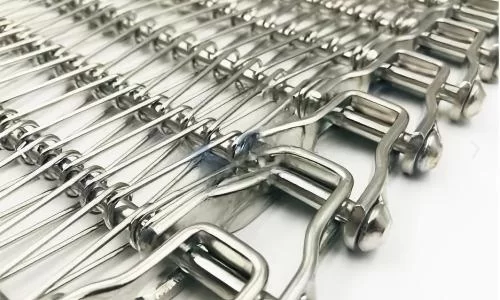
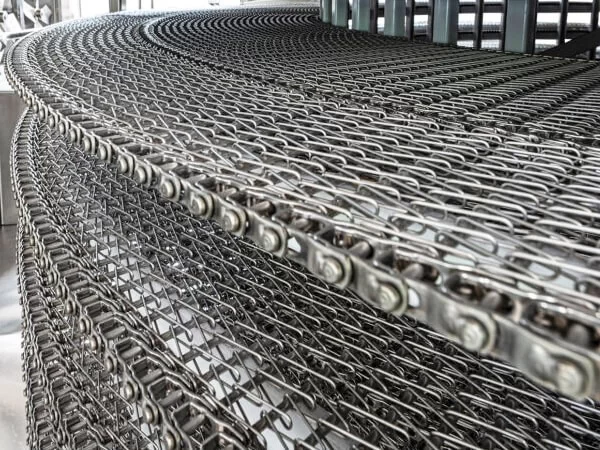
Industrial Conveying Solutions for Iran Advanced Balanced Spiral Conveyor Belt Systems

  • Home
  • Global Service
  • Industrial Conveying Solutions for Iran Advanced Balanced Spiral Conveyor Belt Systems

Industrial Conveying Solutions for Iran: Advanced Balanced Spiral Conveyor Belt Systems

Optimizing mechanical transmission and heat treatment processes across Iran's manufacturing sectors with high-precision stainless steel mesh technology.

Industrial Conveying Solutions for Iran: Advanced Balanced Spiral Conveyor Belt Systems

Providing heavy-duty, corrosion-resistant transmission components designed to withstand the rigorous industrial demands of the Iranian market, focusing on thermal stability and mechanical durability.

The Current Landscape of Mechanical Transmission in Iran

Analyzing the adoption of high-performance wire mesh belts in Western Asia's industrial hubs.

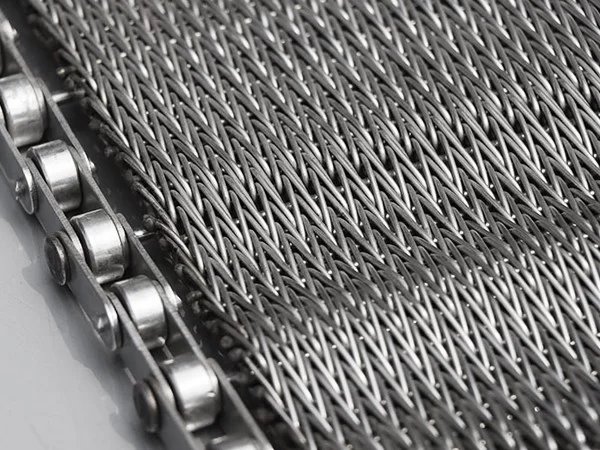
Iran's manufacturing sector is currently characterized by a strong push toward self-sufficiency and the modernization of its food processing and petrochemical plants. The harsh climatic conditions, featuring extreme temperature fluctuations between the central plateau and coastal regions, necessitate the use of a high-grade Stainless Steel Wire Mesh Belt to prevent oxidation and premature wear in conveyor systems.

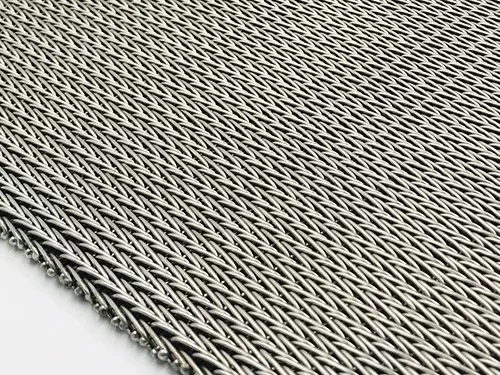
Due to the prevalence of heavy industrial clusters in cities like Tehran and Isfahan, there is an increasing demand for belts that can handle high loads without deformation. The transition toward automated production lines has made the Compound Balanced Weave Belt a critical component for industries requiring absolute tracking stability and minimal lateral movement.

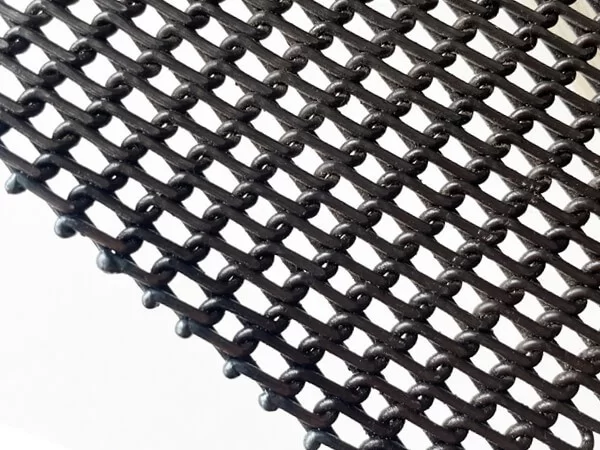
Economic shifts toward diversifying exports—particularly in the processed food and pharmaceutical sectors—have forced local manufacturers to upgrade from basic carbon steel chains to sophisticated Honeycomb Conveyor Belts, which provide superior airflow and drainage for industrial frying and cooling processes.
Evolution and Trajectory of Conveyor Technology

From traditional fabric belts to precision-engineered metallic weaves.

Market Development History

In the early 2000s, the Iranian mechanical transmission market relied heavily on imported rubber and fabric belts. However, these materials struggled with the high-temperature requirements of local oil-refining and metal-processing industries, leading to frequent downtime and high maintenance costs.

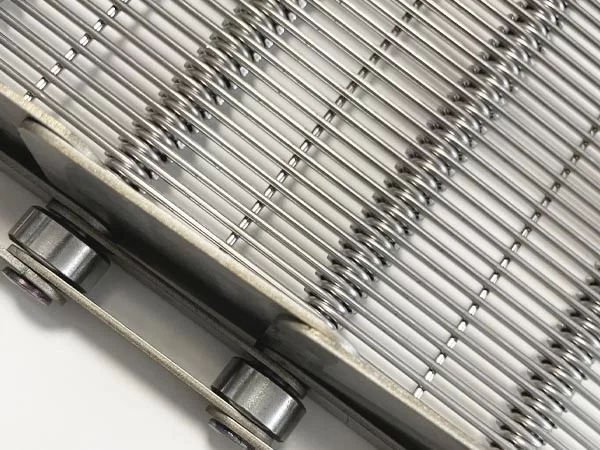
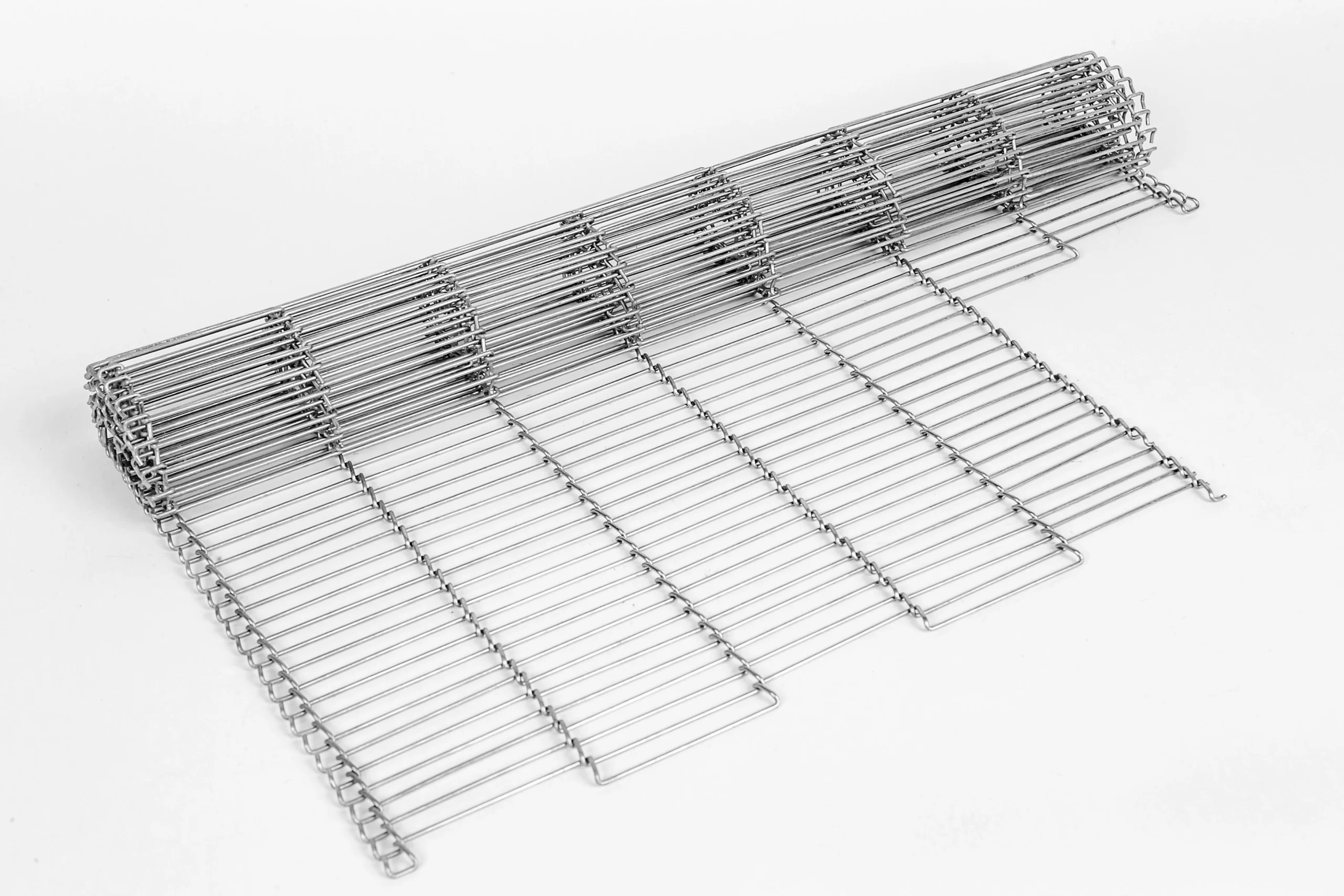
Between 2010 and 2018, a significant shift occurred as the industry adopted the Flat Wire Conveyor Belt. This iteration introduced a higher load-bearing capacity and better heat distribution, allowing for more efficient continuous baking and drying cycles in the regional food industry.

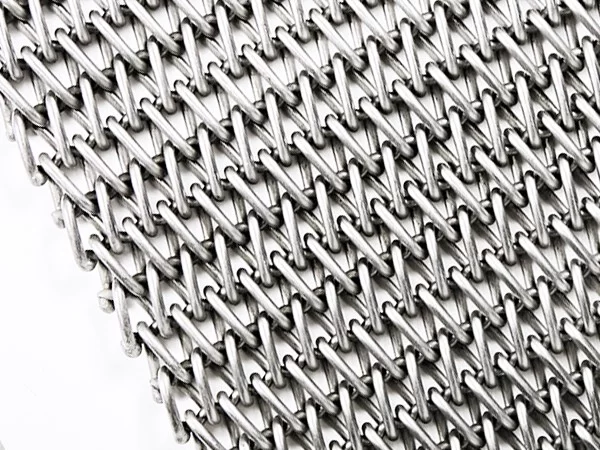
From 2019 to the present, the focus has shifted toward "Balanced Technology." The introduction of precisely woven structures has minimized the "bowing" effect common in wide belts, enabling the implementation of massive spiral cooling systems that save significant floor space in dense industrial zones.

Future Development Trends

Integration of Smart Monitoring

The next 3 years will see the integration of IoT sensors within the mesh structure to monitor tension and wear in real-time, reducing unplanned outages in Iranian factories.

Advanced Alloy Adaptation

Increasing demand for 316L and specialized duplex steels to combat the highly corrosive environments found in Iran's southern chemical processing plants.

Energy-Efficient Drive Systems

A move toward low-friction weaves that reduce the torque required for movement, aligning with global trends to lower carbon emissions in heavy manufacturing.

Industry Outlook and Future Strategic Trends

Projecting the growth of high-precision conveyor components in the Middle East region.

Automation Synergy
Merging precision mesh belts with robotic sorting systems to increase throughput in Iranian logistics hubs.
Thermal Optimization
Development of high-conductive weaves for rapid cooling in the petrochemical gas processing plants of Iran.
Material Sustainability
Using recyclable stainless steel alloys to meet new environmental standards in Western Asia.
Precision Engineering
Adopting tighter weave tolerances to eliminate product slippage in pharmaceutical bottling lines.

Industry Outlook

Based on Google search trends for "industrial conveyor parts" in the MENA region, there is a clear upward trajectory toward specialized metallic belts over generic options. The demand in Iran is shifting toward customized solutions that can handle the specific chemistry of local food preservatives and industrial lubricants.

We anticipate that within 5 years, the "balanced" architecture will become the standard for all spiral conveying systems in Iran, as manufacturers seek to reduce mechanical stress on drive motors and extend the lifecycle of their capital equipment.

Localized Application Scenarios in Iran

Practical implementations of wire mesh belts across diverse Iranian industrial sectors.

1. Saffron and Nut Processing in Khorasan

Utilizing the Stainless Steel Wire Mesh Belt for gentle drying and sorting of high-value saffron, ensuring zero contamination and precise temperature control.

2. Automotive Component Heat Treatment in Karaj

Implementing the Flat Wire Conveyor Belt for continuous hardening and tempering of transmission gears, capable of withstanding extreme furnace temperatures.

3. Large-scale Bakery Production in Tehran

Employing Honeycomb Conveyor Belts in industrial ovens to ensure uniform airflow and heat penetration for traditional Iranian breads.

4. Petrochemical Catalyst Cooling in Assaluyeh

Using the Balanced Spiral Conveyor Belt to maximize cooling surface area in limited facility footprints, resisting salt-air corrosion.

5. Pharmaceutical Tablet Coating in Isfahan

Integrating the Compound Balanced Weave Belt for precise transport of delicate tablets through coating drums without causing surface abrasion.

Brand Story

Global Development Journey of Yangzhou Jiao Yang Mesh Belt Manufacturing Co., Ltd.

Foundational Excellence

Established with a vision to solve the "tracking error" problem in industrial conveyors, we focused on mastering the metallurgy of stainless steel weaving.

Technical Breakthroughs

Developed the proprietary balanced weave technology, eliminating the need for frequent manual adjustments in wide-belt systems.

Global Market Expansion

Expanded our footprint into the Middle East and Asia, adapting our products to withstand extreme environmental conditions in regions like Iran.

Quality Standardization

Achieved international certifications for food-grade safety and mechanical durability, becoming a trusted partner for Fortune 500 manufacturers.

Future-Proofing Industry

Continuing to innovate in "Zero-Friction" mesh designs to drive the next generation of sustainable manufacturing worldwide.

Comprehensive Product Portfolio for the Iranian Market

Precision-engineered transmission components tailored for heavy industry and food processing.

Frequently Asked Questions for Local Manufacturers in Iran

Expert answers to common technical challenges in mechanical transmission.

How to choose the right Stainless Steel Wire Mesh Belt for high-salt environments in southern Iran?

For coastal regions like Assaluyeh, we recommend AISI 316L grade stainless steel, which offers superior resistance to chloride-induced pitting and corrosion compared to 304 grade.

Can a Balanced Spiral Conveyor Belt reduce the floor space of my production line?

Yes, by utilizing vertical space for cooling or proofing, a spiral system can replace dozens of meters of linear conveyor, significantly optimizing factory layouts in dense industrial zones.

What are the benefits of a Compound Balanced Weave Belt over standard mesh?

The compound weave provides enhanced longitudinal stability, meaning the belt stays centered on the rollers without drifting, reducing downtime and mechanical wear on the edges.

Are Honeycomb Conveyor Belts suitable for high-temperature frying applications?

Absolutely. Their unique open-area design allows for maximum oil drainage and uniform heat distribution, making them ideal for industrial fryers in the food sector.

How often should a Flat Wire Conveyor Belt be inspected for tension in heavy-duty use?

For heavy industrial use in Iran's automotive sector, we recommend a tension audit every 30 days to prevent elongation and ensure smooth transmission.

Do you provide customized widths for bespoke mechanical transmission projects?

Yes, all our belts are custom-engineered to the exact millimeter specifications required for your specific machinery, ensuring a perfect fit and seamless integration.

Ready to Optimize Your Production Line?

Our engineering team is ready to provide high-performance conveyor solutions tailored specifically for the industrial requirements of Iran.

Contact Us Now

If you are interested in our products, you can choose to leave your information here, and we will be in touch with you shortly.