
Is The Mesh Belt Of The Heat Treatment Normalizing Furnace Prone To Hydrogen Embrittlement? What Causes This?
Is The Mesh Belt Of The Heat Treatment Normalizing Furnace Prone To Hydrogen Embrittlement? What Causes This?
During the heat treatment normalizing process, the fracture of metal mesh belts not only leads to frequent downtime and increased maintenance costs, but also affects production progress. Today, Jiaoyang Mesh Belt will explore the causes of hydrogen embrittlement in normalizing furnace mesh belts with everyone, to ensure the stable operation of normalizing furnaces.
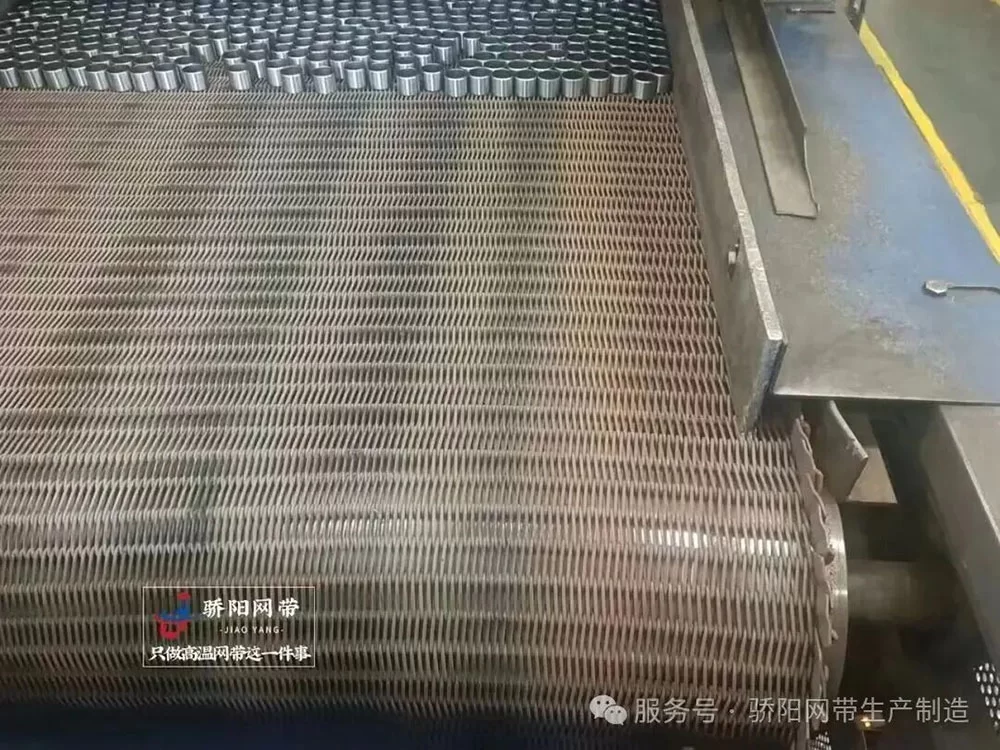
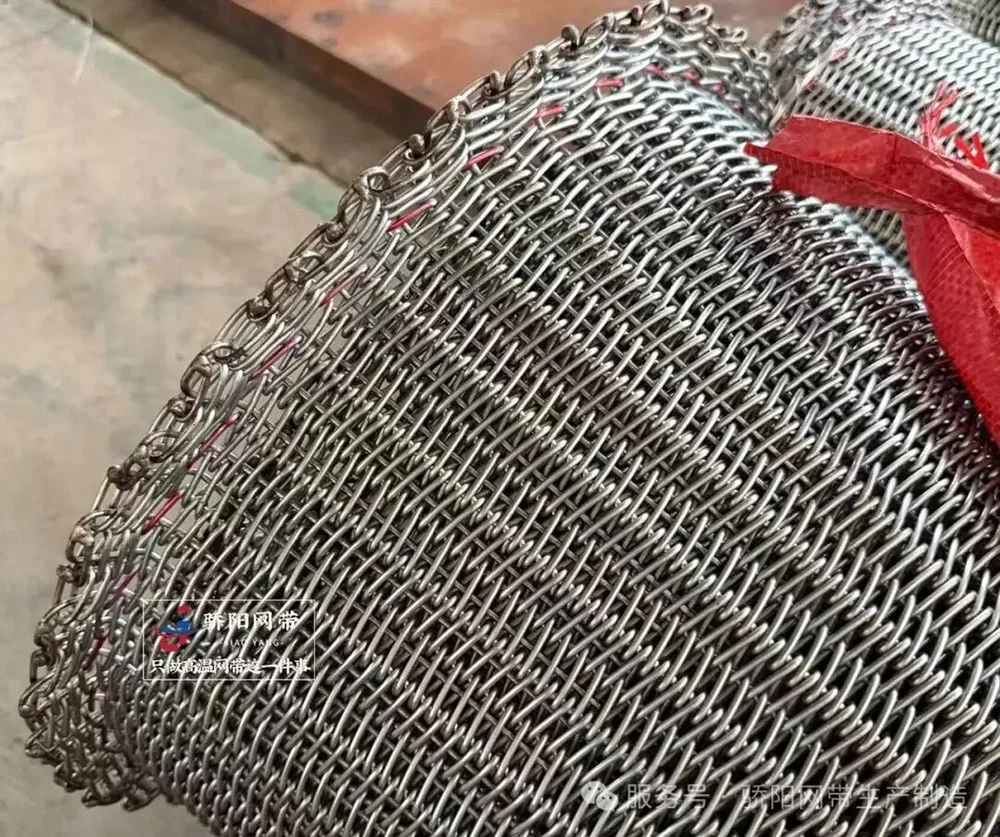
1. Precise traceability: main causes of hydrogen embrittlement fracture
Hydrogen embrittlement fracture is not accidental, but rather the result of the combined effects of hydrogen atom accumulation and external conditions. Through extensive case analysis, Jiaoyang has identified three core contributing factors:
The dew point of the furnace gas is out of control
In pursuit of a bright workpiece finish, excessively lowering the dew point results in insufficient water vapor within the furnace, which cannot "neutralize" the protective atmosphere. Over time, this accumulation exceeds the critical threshold.
Improper preprocessing of workpiece
If the workpiece is not cleaned thoroughly before entering the normalizing furnace, the residual oil, cutting fluid, moisture, etc. on its surface will decompose and generate a large amount of hydrogen at high temperatures.
The equipment is not sealed properly
Improper adjustment of the combustion system in the normalizing furnace (such as an improper air/gas ratio, leading to incomplete combustion) can generate a large amount of water vapor and incomplete combustion products, and may also increase the local hydrogen content within the furnace.
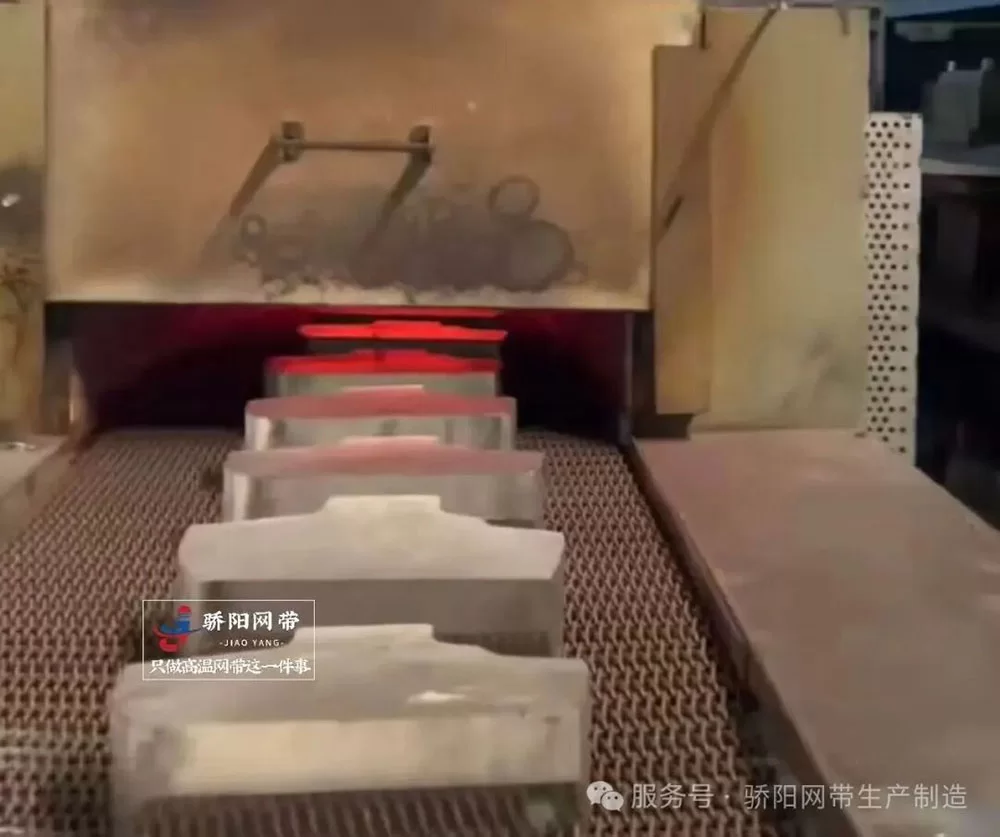
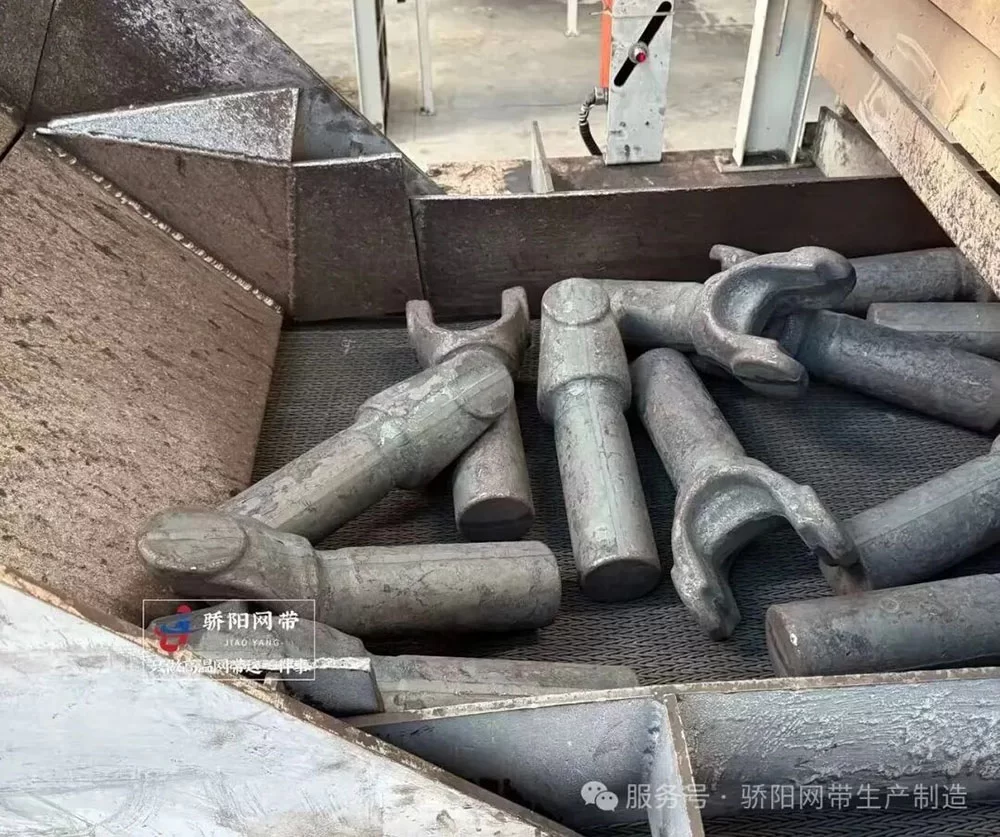
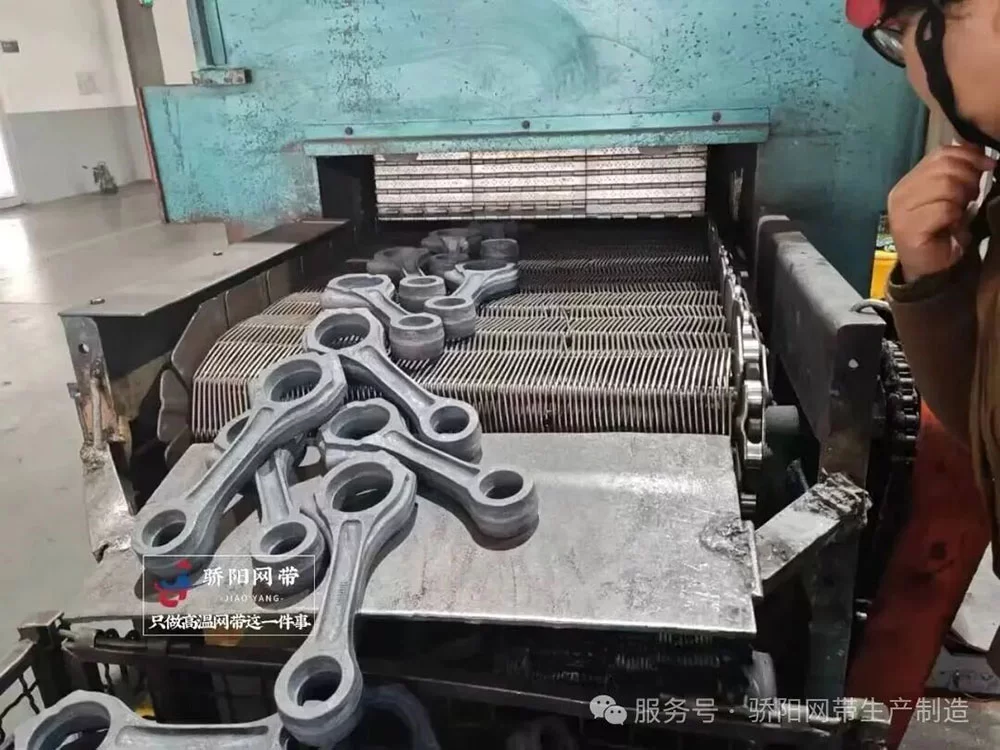
Why did it start to break after a few months?
The accumulation process of hydrogen
During daily operation, hydrogen atoms continuously enter the steel. A few months of operation is sufficient for the hydrogen content in the mesh belt to accumulate to a dangerous threshold.
The effect of stress
The mesh belt, enduring tensile and bending stresses at high temperatures, not only provides a site for hydrogen enrichment but also promotes the formation of cracks.
Fatigue and creep
The operation of the mesh belt is cyclic, and it is exposed to high temperatures for extended periods, leading to a combined effect of thermomechanical fatigue and creep.
3. Improvement of Jiaoyang Craftsmanship
Regarding the mechanism of hydrogen embrittlement in the mesh belt of the normalizing furnace, Jiaoyang has achieved breakthroughs from material selection to process optimization:
Carefully selected materials resistant to hydrogen embrittlement
High-quality stainless steels such as 310S and 314, which have undergone special heat treatment (all supporting traceability), are selected to enhance the material's resistance to brittleness while maintaining high temperature tolerance, making the mesh belt more durable.
Innovative molding process
Taking into account various factors such as the size of the workpiece, the usage environment, and specific customer requirements, Jiaoyang adopts a balanced/herringbone weaving process. The mesh belt structure is dense and uniform, reducing stress concentration points and extending the service life of the mesh belt.
Full-cycle service enhancement
Establish a 24-hour technical response mechanism to provide remote guidance or on-site troubleshooting for issues related to mesh belt operation;
Regularly provide maintenance suggestions to reduce the risk of hydrogen embrittlement throughout the entire process.
-
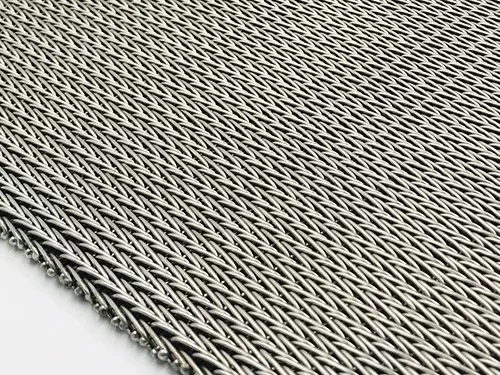 Compound Balanced Weave Conveyor Belt With Welded Edge
aka chevron conveyor belt with welded edge aka Compound weave mesh belt with welded edge
Compound Balanced Weave Belts with Welded Edge.The standard available type of edge finish for this application is welding, facilitated by the close meshing of both the crimp and cross wire.
-
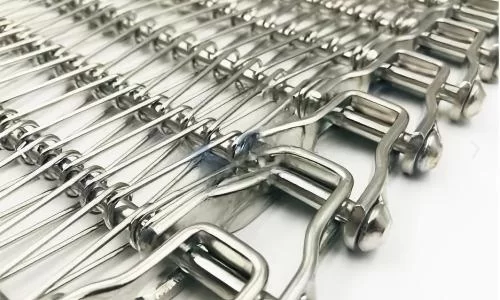 Flexible Rod Conveyor Belts
Flexible Rod Conveyor Belts :Also known as Grid Link Conveyor Belts.It is ……
-
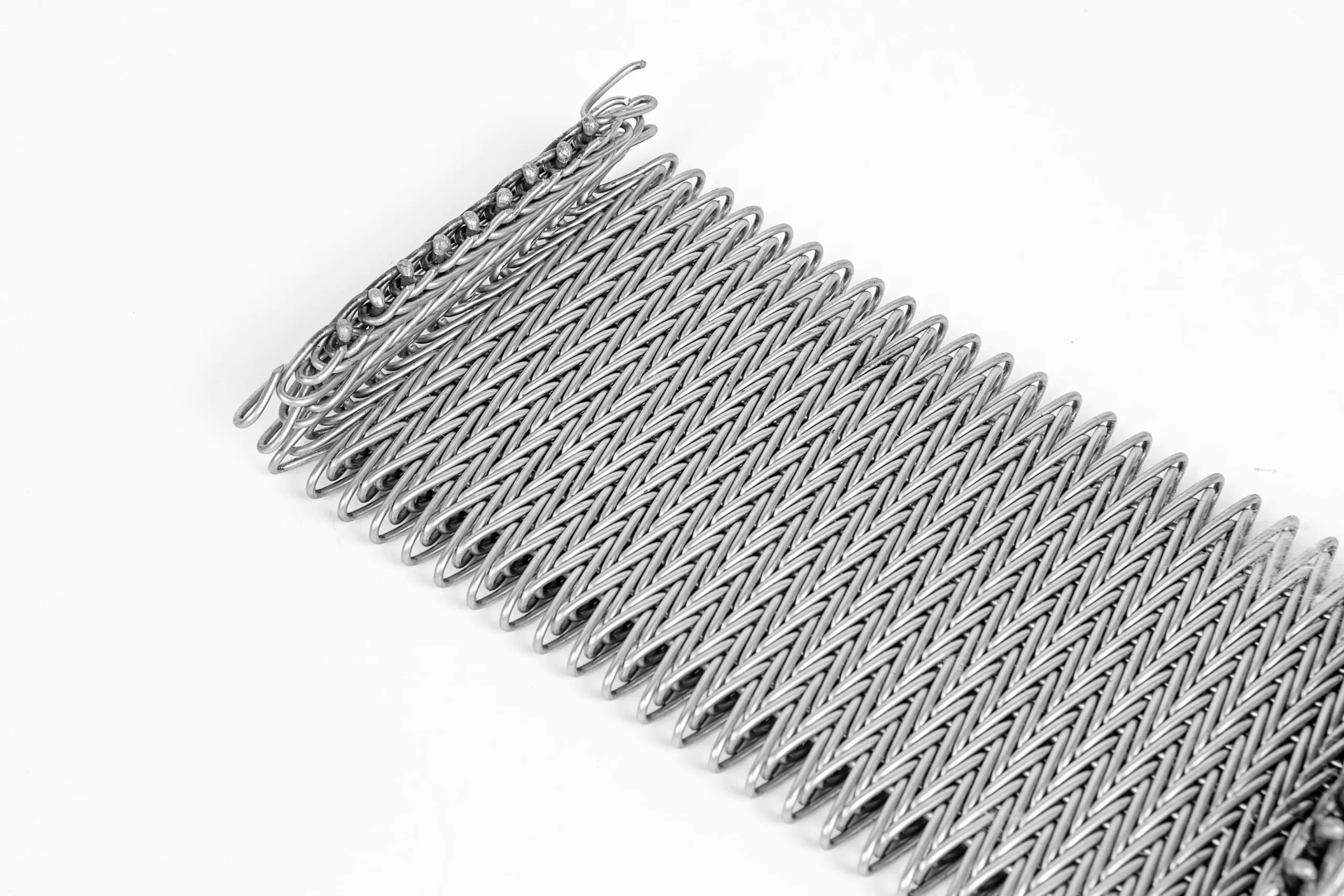 Compound Balanced Weave Conveyor Belt
aka cord weave conveyor belt
aka v shaped conveyor belt
aka chevron conveyor belt
Compound Balanced Weave Conveyor Belt: Also known as Chevron Conveyor Belt.It is a metal mesh belt with a special structure. It is woven by left and right spiral wires. It has a tight and strong structure. Its mesh holes are evenly arranged in a "herringbone" shape (also called "V" or "fishbone" shape). The edges can be welded, crimped or chain-reinforced to improve strength and stability.
This design gives it unique performance advantages and is widely used in industries that require high strength, high temperature resistance and stable transportation. It is usually made of stainless steel (such as stainless steel 314, stainless steel 316L, stainless steel 304), heat-resistant steel or other alloy materials.
-
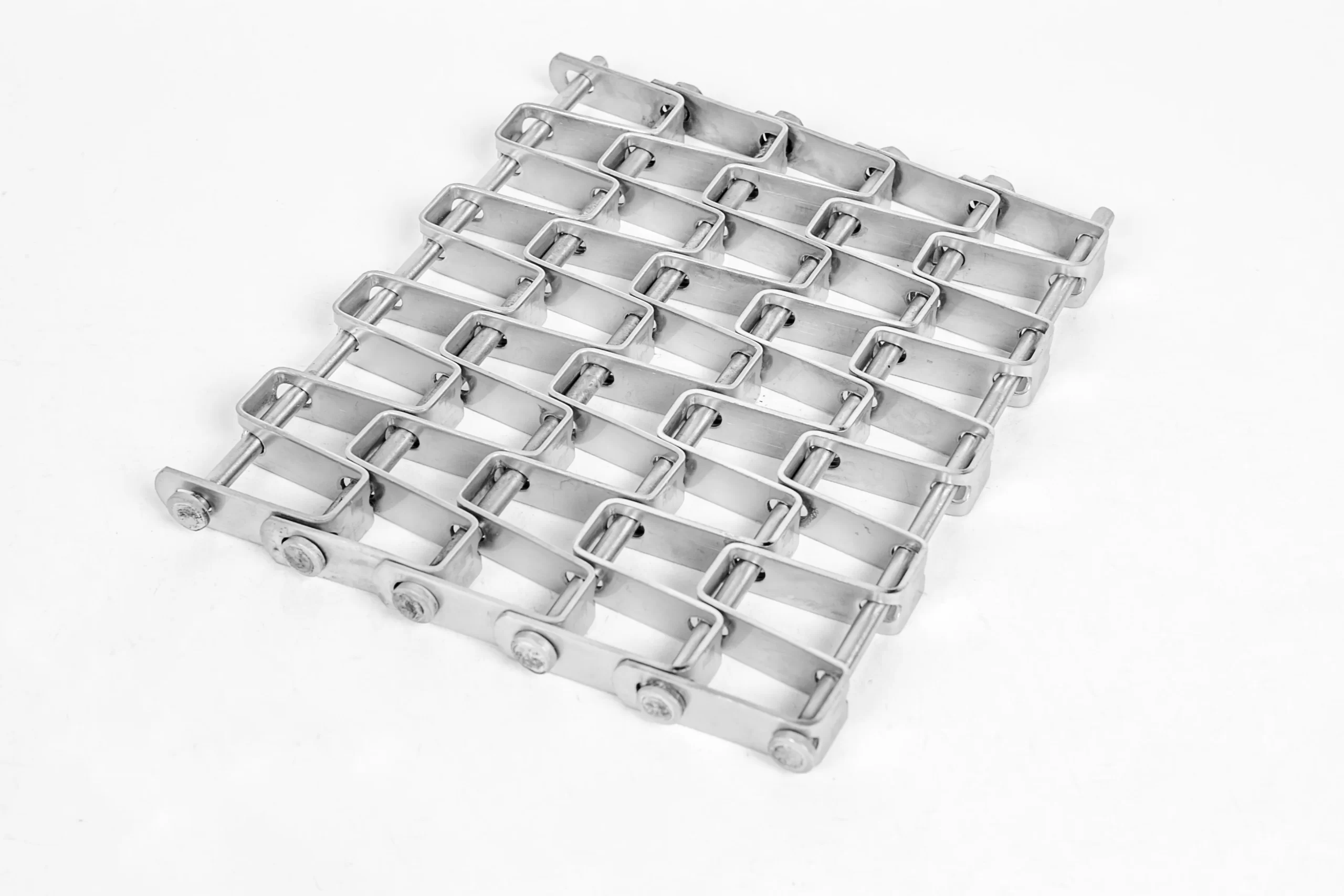 Honeycomb Conveyor Belts
Customize the butterfly pressure plate as needed
-
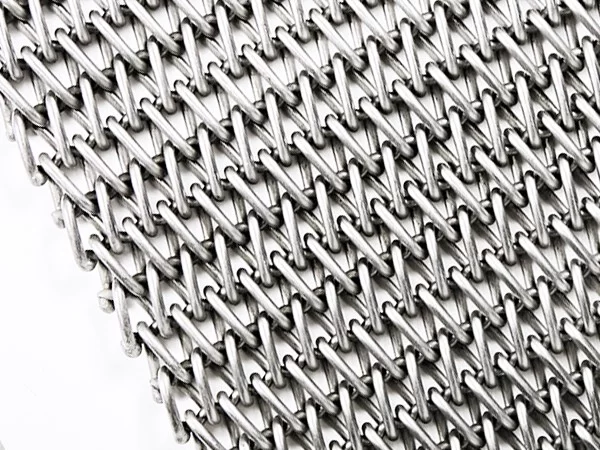 Wire Mesh Lehr Belts
Lehr Belts feature a balanced weave wire construction, composed of alternating right- and left-hand flattened spirals securely seated in crimped connector rods. The belt edges are welded to enhance durability and stability.
-
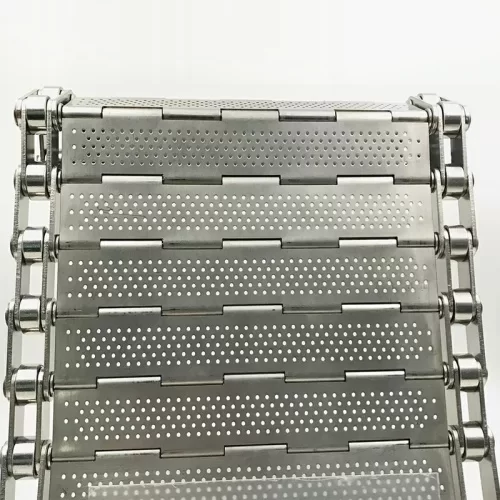 Plate Link Conveyor Belt
Plate conveyor belts are composed of hinged slats with or without holes. Hinge ……
-
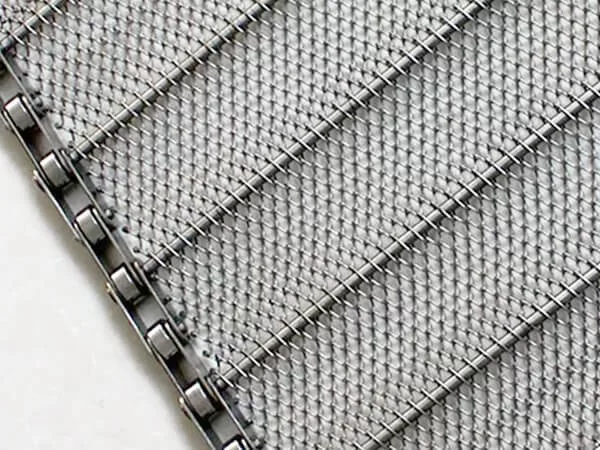 Chain Link Conveyor Belts
Chain Link Conveyor Belt, also known as stainless steel wire mesh belt or conventional mesh belt, features a simple design with interwoven spiral coils creating an open mesh. Available with knuckled or welded edges, PFM Screen’s Chain Link belt is an economical and lightweight solution for low load conveying, ideal for light-duty drying and cooling applications. With its large open area, it is perfect for energy-efficient processes like drying, cooling, and heating.
-
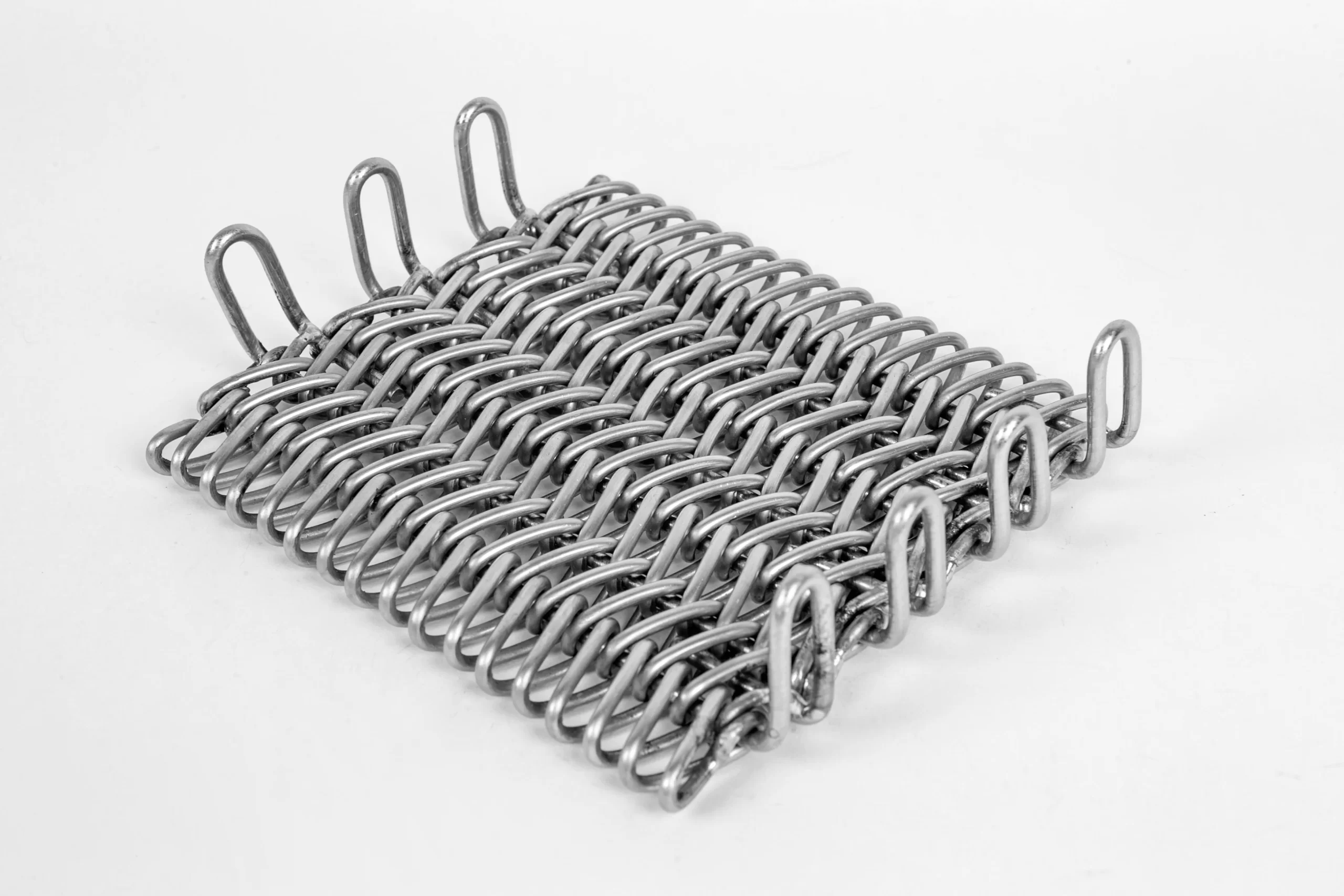 Balanced Weave Conveyor Belt
Direct Edge Welding – Provides maximum structural integrity and durability
U-Shaped Edge……
-
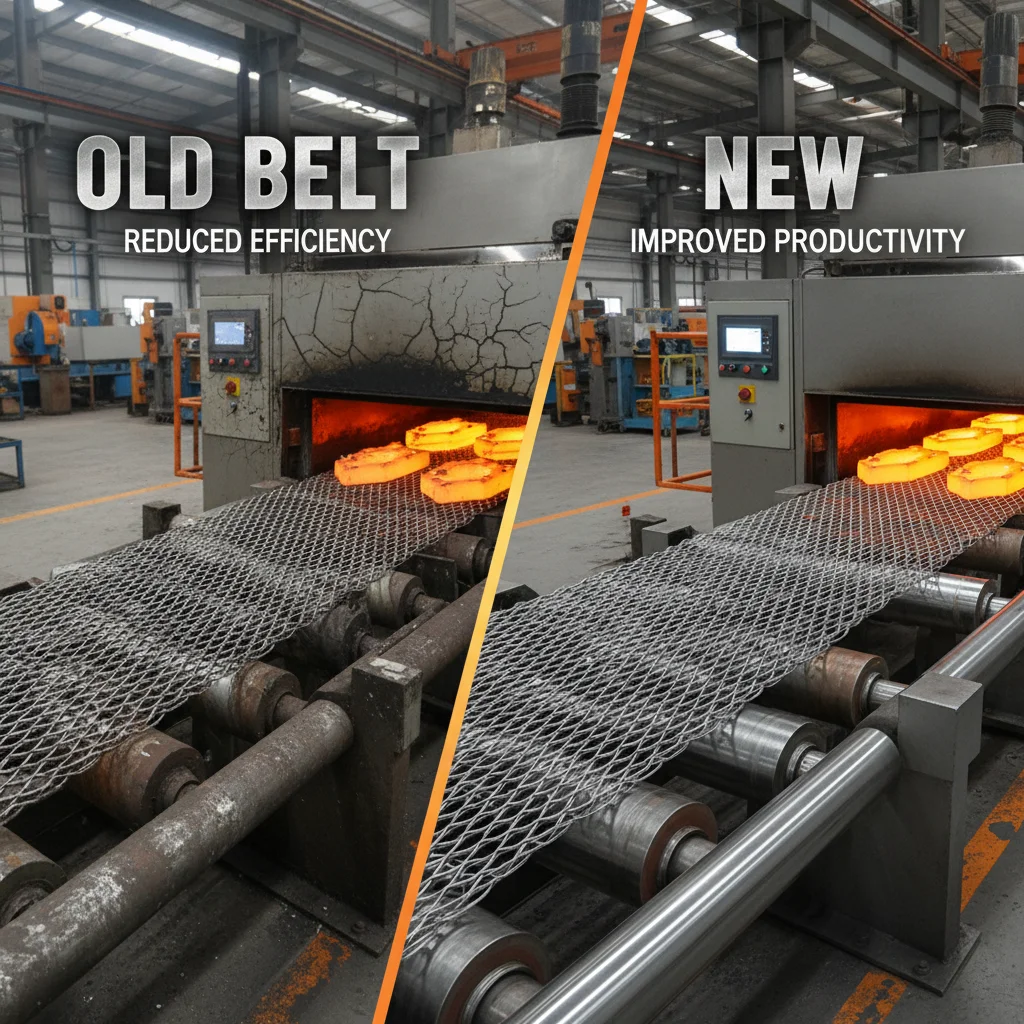 March 10, 2026Comprehensive Guide to Stainless Steel Wire Mesh Belt Applications and SelectionStainless Steel Wire Mesh Belt: A Comprehensive Guide I […]
 -
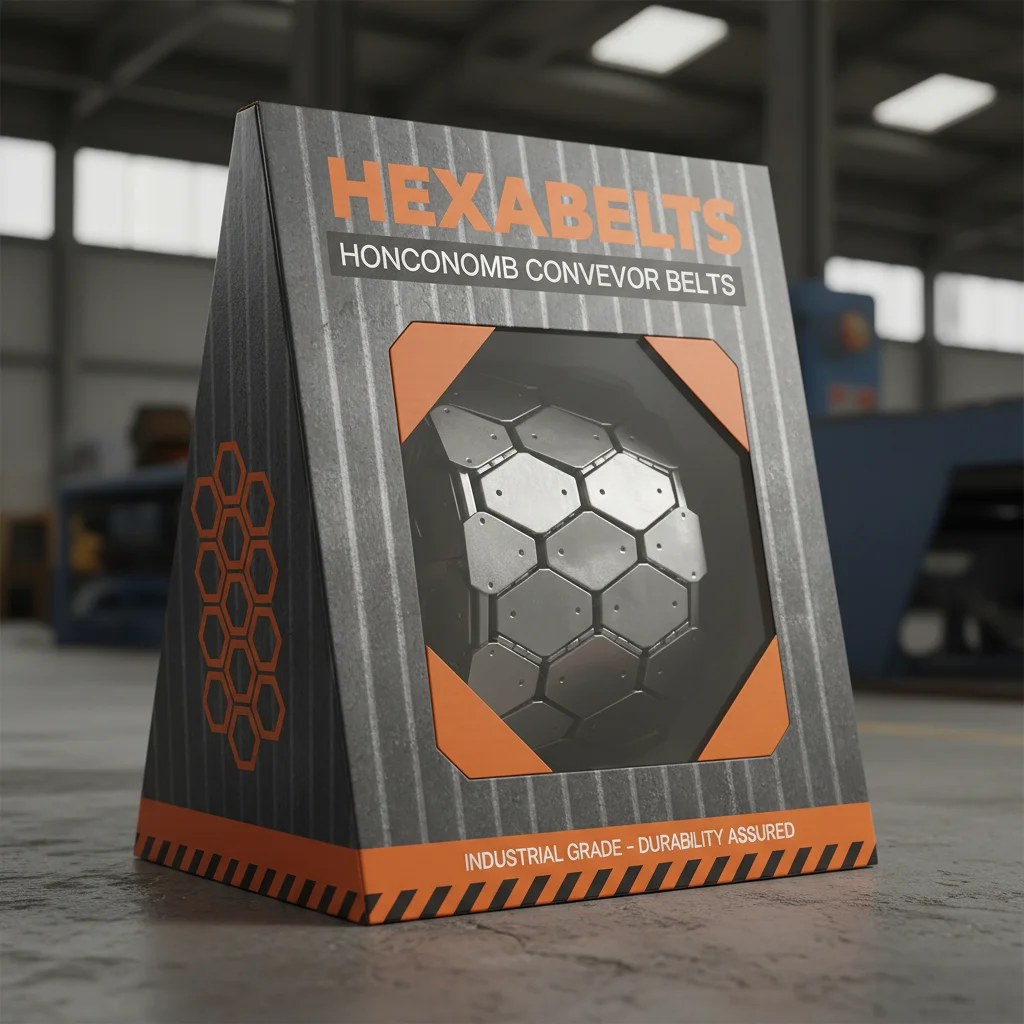 March 14, 2026Comprehensive Guide to Honeycomb Conveyor Belts and Their ApplicationsHoneycomb conveyor belts are rapidly gaining popularity across a wide range of industries due to their unique design and exceptional performance characteristics. These belts offer a lightweight yet incredibly strong solution for various conveying applications, boasting excellent air permeability and efficient material handling. If you're looking for a robust and versatile conveyor solution, JY Mesh Belt offers a comprehensive range of high-quality honeycomb conveyor belts tailored to your specific needs. This article will explore the benefits, applications, materials, and considerations when choosing a honeycomb conveyor belt. The defining feature of honeycomb conveyor belts is their distinctive cellular structure, resembling a honeycomb. This design isn't just aesthetic; it's engineered for optimal performance. The open structure allows for exceptional airflow, critical in applications like cooling, drying, or washing. Furthermore, the interconnected cells distribute weight evenly, leading to increased belt strength and durability. This lightweight construction reduces energy consumption and minimizes strain on conveyor systems.
 -
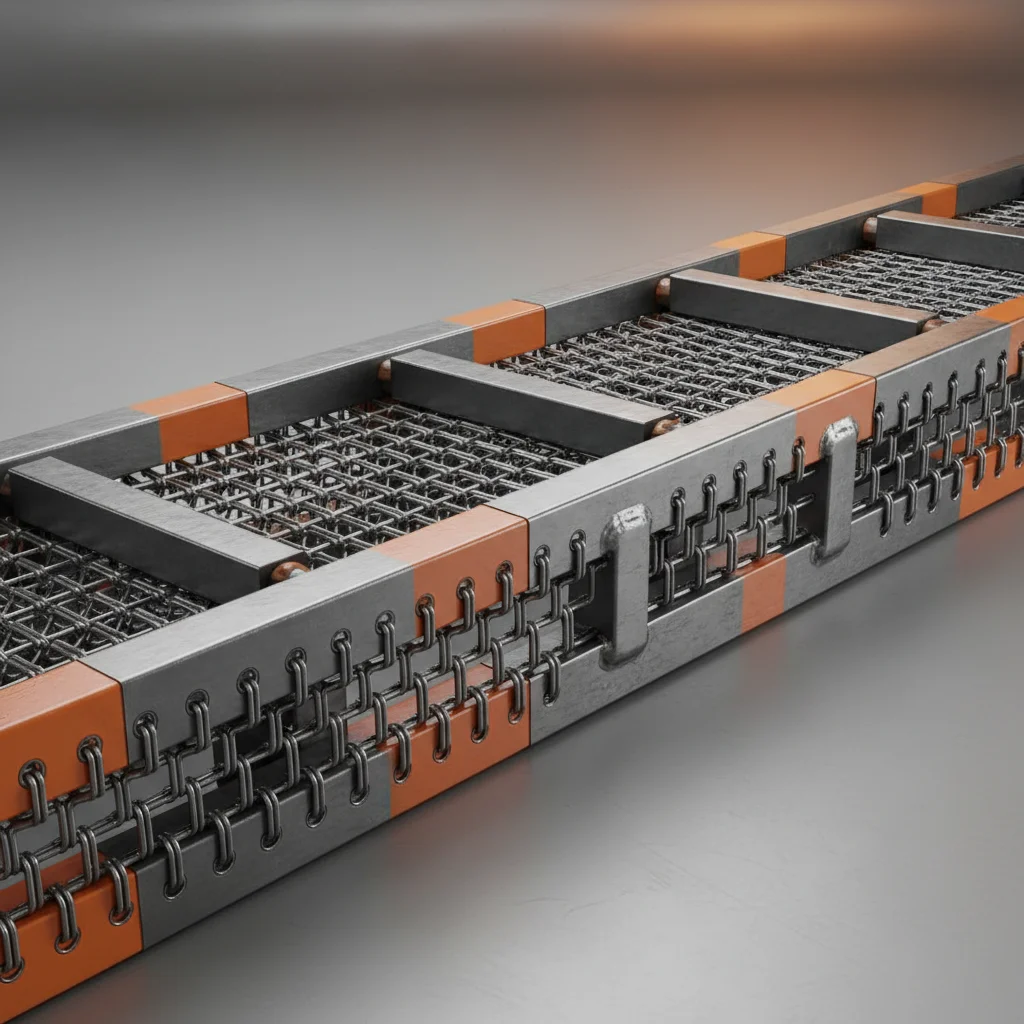 April 09, 2026Industrial Mesh Belt Guide for Production Line EfficiencyIn the world of industrial processing, the efficiency of your production line often depends on the smallest components. A high-quality mesh belt serves as the backbone for countless operations, from food baking and pharmaceutical processing to heavy-duty metal heat treatment. Choosing the right belt material and weave can mean the difference between seamless operation and costly downtime. This comprehensive guide will walk you through everything you need to know about selecting, maintaining, and optimizing your conveyor systems to ensure maximum productivity and longevity.
 -
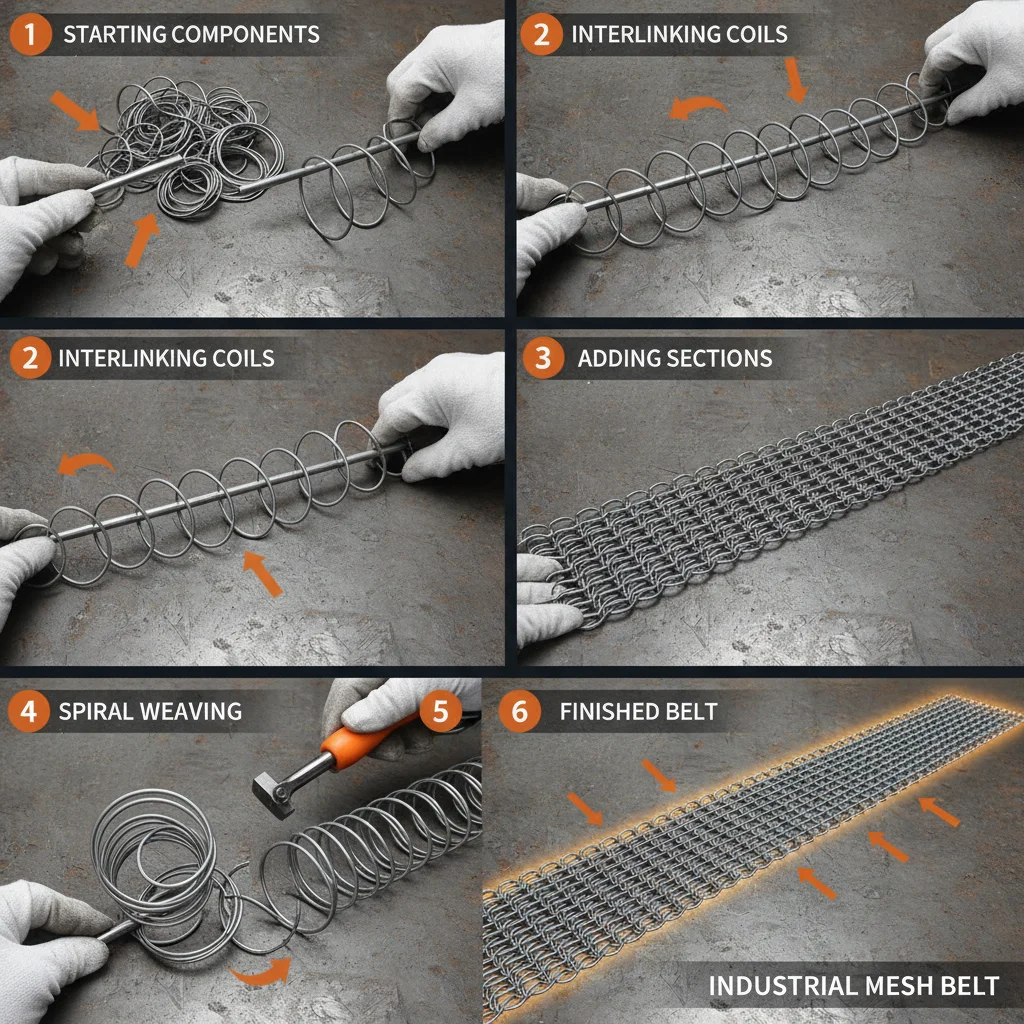 April 07, 2026Comprehensive Guide to Metal Mesh Belt Types Benefits and Industrial ApplicationsMetal mesh belts are indispensable components in a vast range of industrial processes, offering reliable and efficient conveyance solutions. From heat treatment and forging to food processing and packaging, these belts excel in demanding environments. This article explores the types, benefits, applications, and considerations for selecting the right metal mesh belt for your specific needs. Understanding their construction and properties is key to optimizing your production line.
 -
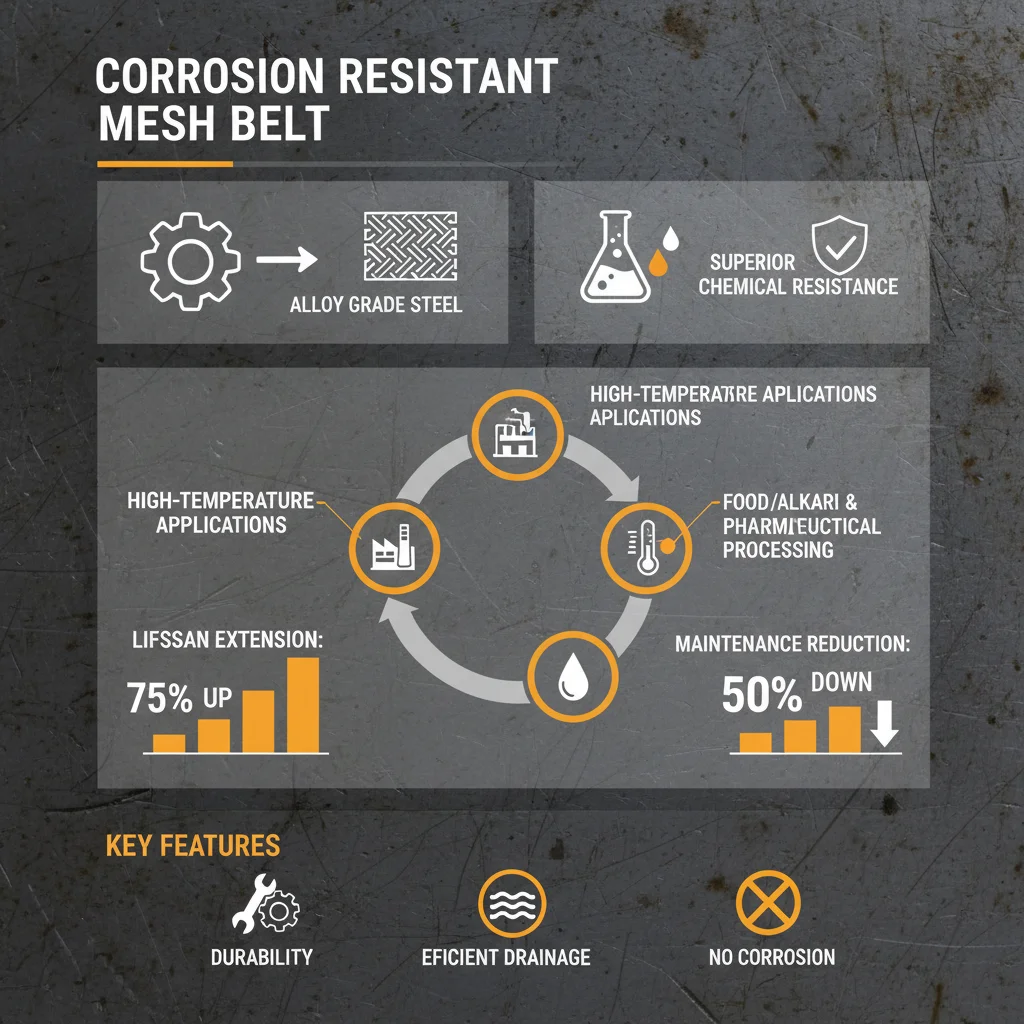 March 16, 2026Corrosion Resistant Mesh Belt SolutionsEngineered for durability, efficiency, and reliability in corrosive environments. Serving industries worldwide. Our corrosion resistant mesh belt solutions are at the forefront of materials science, offering exceptional resistance to acids, alkalis, and other corrosive agents. These belts are crucial for maintaining process integrity and minimizing downtime. We leverage advanced weaving techniques and specialized alloys to deliver superior performance, extended service life, and reduced total cost of ownership.
 -
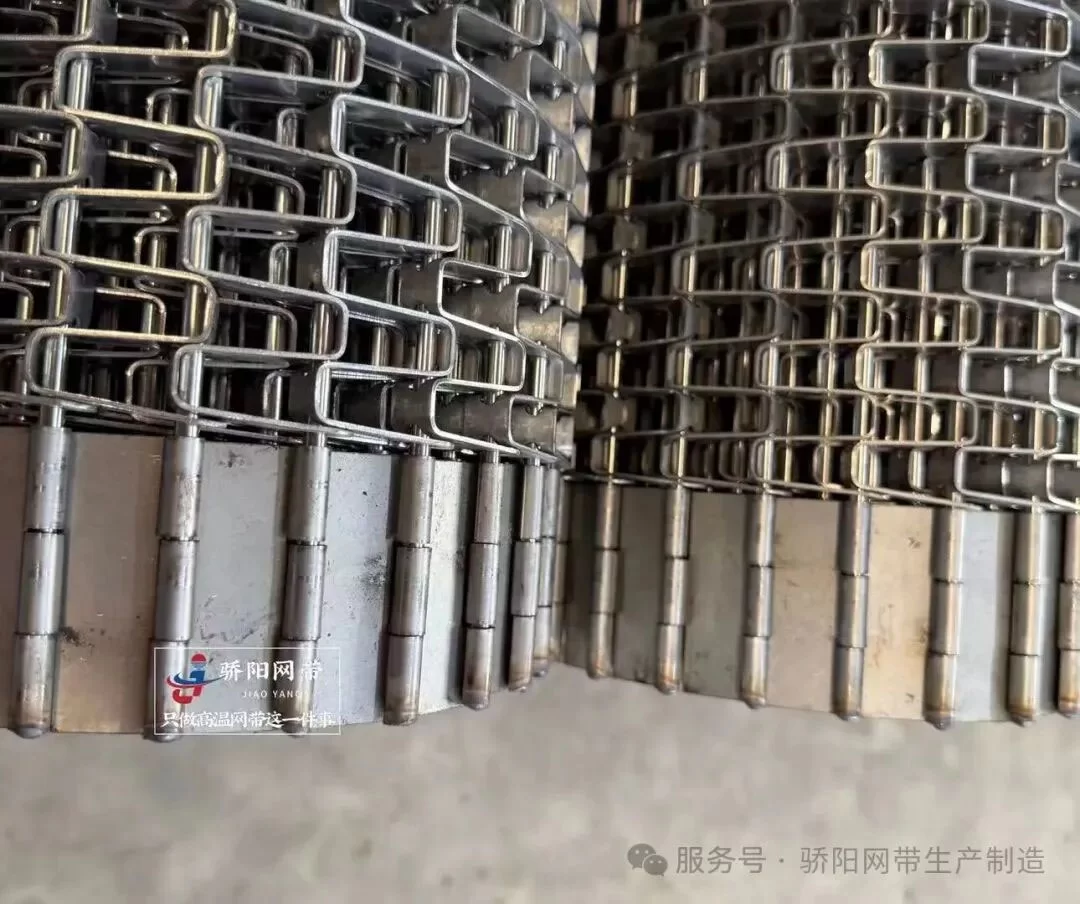 February 01, 2026What Are The Advantages Of The Great Wall Mesh Belt And Jiaoyang Products?
Jiaoyang selects excellent stainless steel materials, which meet the standards for strength, corrosion resistance, and wear resistance. Each batch of materials supports traceability.
-
 March 31, 2026Comprehensive Guide to Dryer Mesh Belt Technology and Industrial ApplicationsIn various industrial processes, efficient drying is critical. Dryer mesh belts play a vital role in achieving optimal results. These belts facilitate continuous drying processes, offering a robust and reliable solution for a wide range of materials. This article explores the intricacies of dryer mesh belts, their benefits, types, applications, and considerations for selecting the right belt for your specific needs. From food processing to chemical manufacturing, we'll cover how these belts enhance efficiency and product quality.
 -
 January 01, 2026What Are The Advantages Of Choosing A Photovoltaic Panel Pyrolysis Furnace Mesh Belt From Jiaoyang Products?
In the photovoltaic panel debris recycling industry, the stability of the pyrolysis furnace mesh belt affects production efficiency.
Get Your Custom Solution
Facing challenges with high-temperature conveying? Contact us now.
Our engineers will provide you with expert product consultation and tailored solutions.
Sign up
for our Newsletter
Subscribe to the weekly newsletter for all the latest updates


