- Tel: +86 15252586600 / +86 13705250816
- Email: 527966138@qq.com / 1026520412@qq.com

Optimize Production with Powder Metallurgy Sintering Furnace Mesh Belt
Optimize Production with Powder Metallurgy Sintering Furnace Mesh Belt
Optimizing Production with Powder Metallurgy Sintering Furnace Mesh Belt
In the high-precision world of industrial manufacturing, the sintering process is the heartbeat of component strength and quality. A critical yet often overlooked component in this process is the Powder Metallurgy Sintering Furnace Mesh Belt. This specialized conveyor system is designed to transport delicate powder-compacted parts through extreme temperatures while maintaining structural integrity. Selecting the right mesh belt can mean the difference between a seamless production flow and costly downtime. In this guide, we will explore how the right belt material and design impact the efficiency of your sintering furnace and how to choose the best solution for your specific metallurgical needs.

The Role of Mesh Belts in Sintering Furnaces
The primary function of a Powder Metallurgy Sintering Furnace Mesh Belt is to provide a stable, heat-resistant platform for "green" parts as they transition from compaction to final density. Because sintering occurs at temperatures often exceeding 1,100°C, the belt must possess exceptional creep resistance and oxidation stability. A high-quality mesh belt ensures that parts are moved uniformly, preventing uneven heating or deformation. Furthermore, the open-weave design allows for the efficient flow of protective atmospheres (such as nitrogen or hydrogen) and ensures that heating elements can radiate energy evenly across the product surface.
Industry Insight: The stability of the mesh weave directly correlates to the dimensional accuracy of the sintered part. Any sagging or stretching of the belt during the heating cycle can lead to part misalignment.
Material Selection for Powder Metallurgy Sintering Furnace Mesh Belt
Not all metals are created equal when facing the harsh environment of a sintering furnace. Depending on the temperature and the chemistry of the parts being produced, different alloys are required. For standard applications, high-grade stainless steels are common, but for extreme temperatures, Inconel or Nickel-based alloys are preferred due to their superior resistance to oxidation and scaling. The choice of material for your Powder Metallurgy Sintering Furnace Mesh Belt determines the overall lifespan of the equipment and the frequency of maintenance shutdowns.
Comparing Mesh Belt Designs for Sintering Efficiency
When sourcing a Powder Metallurgy Sintering Furnace Mesh Belt, the weave pattern is just as important as the material. Balanced weaves offer the best stability, while specific interlocking designs can reduce the "marking" left on the bottom of the parts. A common challenge in sintering is belt elongation, where the belt stretches over time due to heat and load. Advanced manufacturing techniques now allow for pre-tensioned weaves that significantly reduce this effect, ensuring a longer service life and more consistent part transport.

Critical Specifications for Your Sintering Mesh Belt
To ensure the seamless integration of a Powder Metallurgy Sintering Furnace Mesh Belt into your existing furnace, certain technical parameters must be precisely defined. The wire diameter affects the load-bearing capacity, while the mesh opening size determines how much support the part receives. If the openings are too large, small parts may sink or tilt; if they are too small, gas permeability is reduced, potentially affecting the sintering quality of the parts.
Maintenance Strategies for Sintering Mesh Belts
Even the most robust Powder Metallurgy Sintering Furnace Mesh Belt will experience wear over time. To maximize the return on investment, a proactive maintenance schedule is essential. Regular checks for lateral drift (belt tracking) can prevent the belt from rubbing against the furnace walls, which leads to premature failure. Additionally, removing accumulated oxide scale from the belt surface ensures that parts remain flat and prevents contamination. Using high-quality belts from reputable suppliers ensures that the metallurgical properties remain stable even after thousands of heating cycles.
Improving Overall Equipment Effectiveness (OEE)
The integration of a high-performance Powder Metallurgy Sintering Furnace Mesh Belt is a direct investment in OEE. By reducing the frequency of belt replacements and minimizing part rejects caused by deformation or surface marking, manufacturers can significantly lower their cost-per-part. Modern mesh belts are designed to operate with minimal friction, reducing the energy required to drive the conveyor system. When coupled with precise temperature control, these belts enable a continuous, high-throughput production line that meets the stringent quality standards of the automotive and aerospace industries.
Conclusion: Choosing the Right Foundation for Your Sintering Process
The Powder Metallurgy Sintering Furnace Mesh Belt is far more than a simple conveyor; it is a critical technical component that ensures the success of the sintering process. By carefully considering material grade, weave design, and technical specifications, manufacturers can ensure maximum durability and product quality. Investing in premium mesh solutions reduces downtime and enhances the precision of your final components. For those looking to optimize their powder metallurgy line, prioritizing a high-stability, heat-resistant belt is the most effective way to secure long-term operational success.
Frequently Asked Questions (FAQs)
How often should a sintering furnace mesh belt be replaced?
The replacement interval varies depending on the operating temperature and the load. Generally, belts operating at extreme temperatures (above 1,100°C) may show signs of elongation or oxidation every 12 to 24 months. Regular monthly inspections for weave integrity and tracking stability are recommended. If you notice significant sagging or "stretching" that affects part alignment, it is time for a replacement. Using premium alloys from JY Mesh Belt can significantly extend this lifespan.
What causes the mesh belt to drift or track incorrectly?
Belt drift is usually caused by uneven tensioning, wear on the drive sprockets, or thermal expansion that is not uniform across the belt width. In some cases, accumulated debris or oxide scale on the rollers can push the belt to one side. To prevent this, ensure that the furnace's tracking system is calibrated and that the belt is cleaned regularly. A precisely woven belt with consistent edge dimensions helps maintain a straight path during high-temperature transit.
Can I use standard stainless steel for all sintering applications?
While standard stainless steel (like 304 or 316) is excellent for corrosion resistance, it is often insufficient for the high temperatures required in powder metallurgy sintering. At temperatures above 1,000°C, standard stainless steels can lose structural strength and oxidize rapidly. For these applications, specialized grades like 310S or Nickel-alloys (Inconel) are necessary to prevent the belt from snapping or sagging under the heat and load.
How do I choose the correct mesh opening size for my parts?
The choice depends on the smallest dimension of your part's contact area. A general rule of thumb is that the part should be supported by at least two or three wires of the mesh to prevent "sinking" or tilting. However, you must balance this with the need for gas permeability. If the mesh is too dense, the sintering atmosphere cannot circulate effectively around the part. We recommend consulting with a technical expert at jymeshbelt.com to find the optimal balance between support and airflow.
-
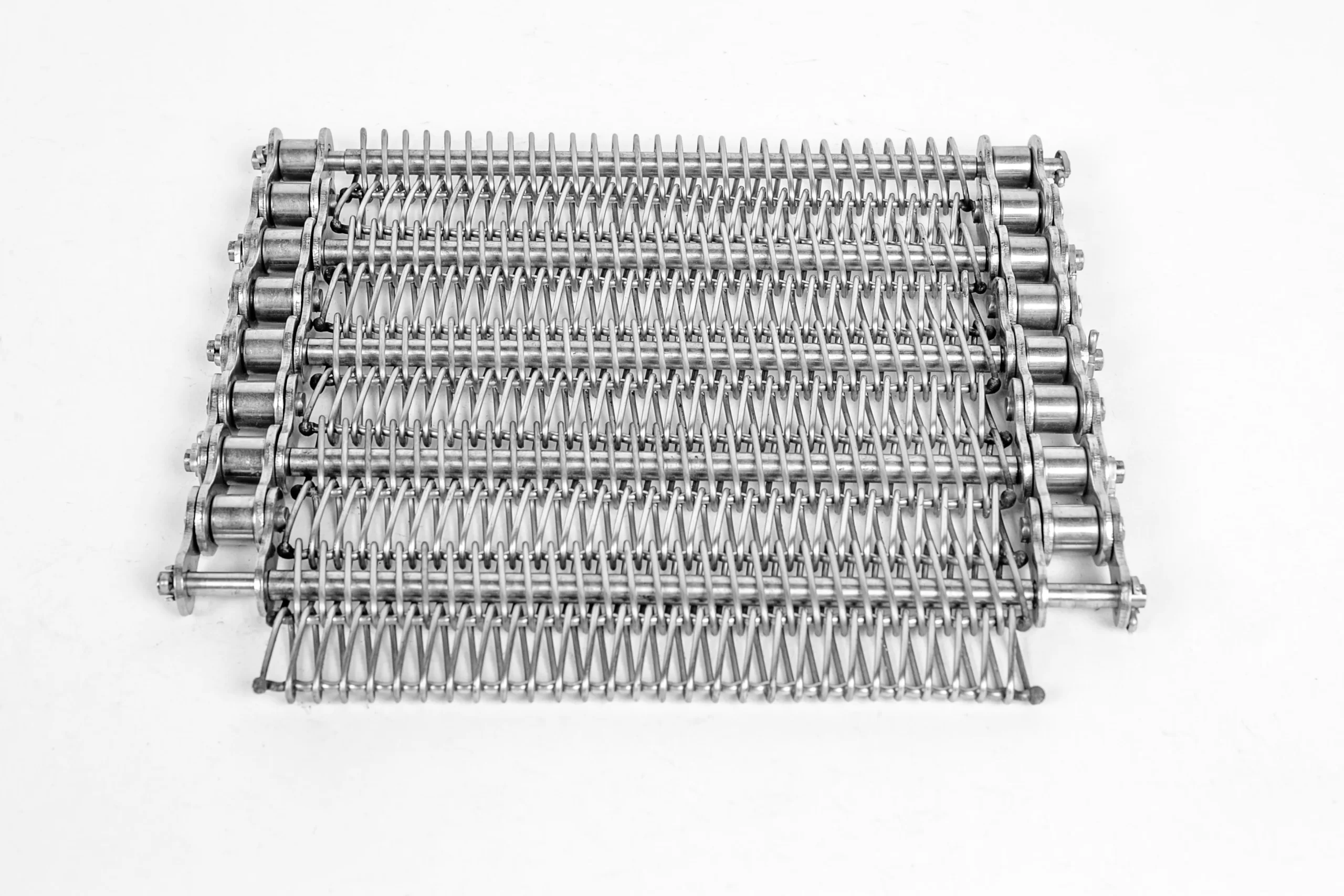 Chain Driven Conveyor Belts
Stainless steel chain link belt with precision-driven rollers
-
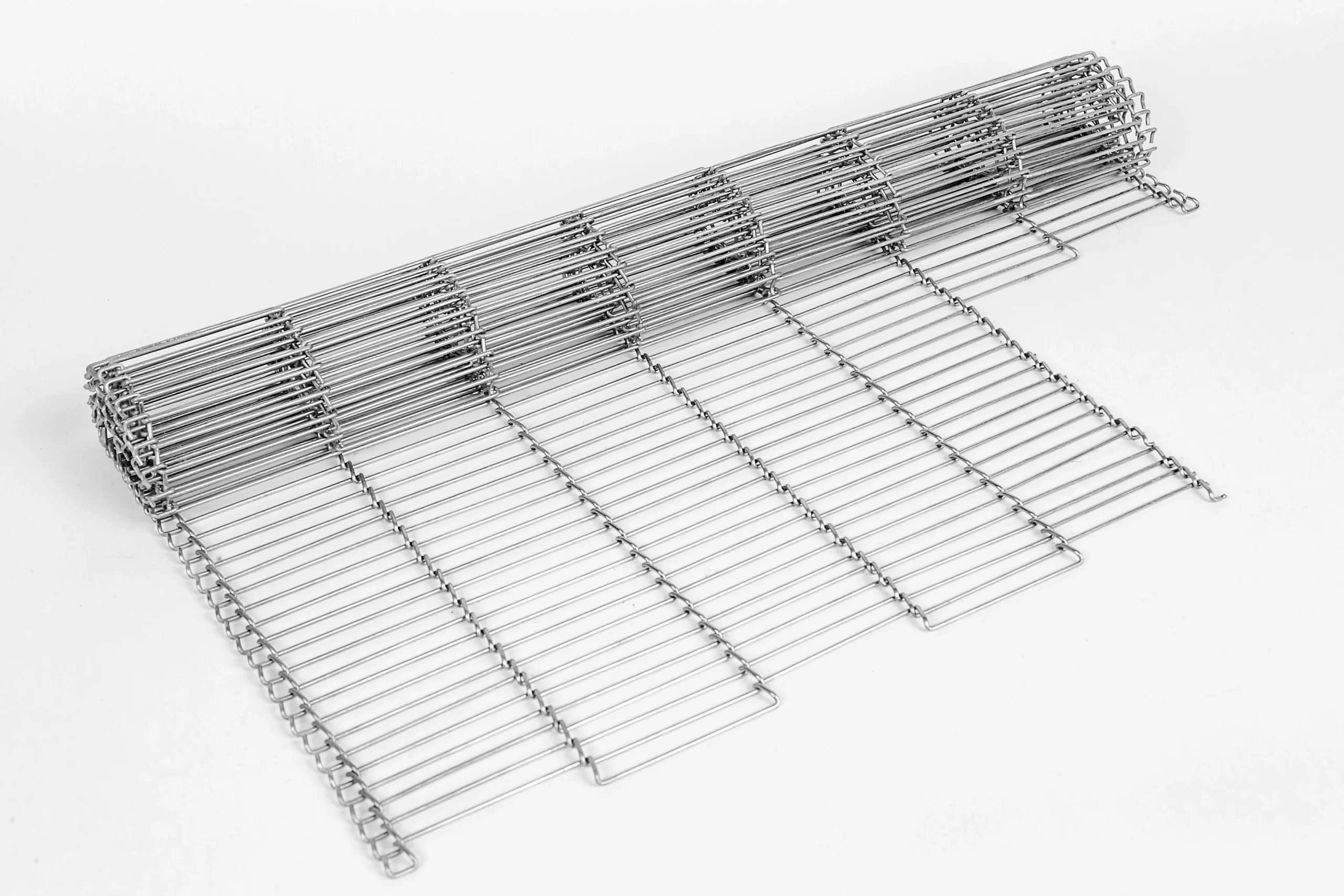 Rod Network Conveyor Belts
:Also known as Flat Flex Conveyor Belt.It is made of left and right spir……
-
 Double Balanced Weave Conveyor Belt China Factory and SuppliersPremium Double Balanced Weave Conveyor Belts from a leading China factory. Featuring double wire wrap construction and interlocking spiral design for enhanced durability. Reliable suppliers of high-tensile industrial mesh belts for extreme temperatures.
-
 Custom Industrial Stainless Steel Baskets Manufacturer | China Factory SuppliersSource high-performance industrial stainless steel baskets from a leading China factory. As premier suppliers, we provide bespoke customization of materials and mesh sizes for durable, corrosion-resistant solutions tailored to your production line.
-
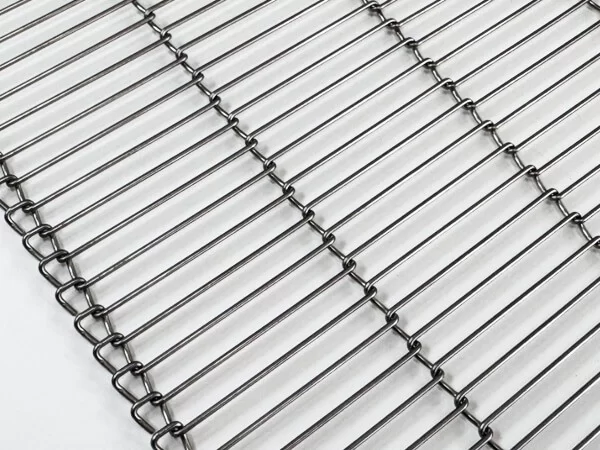 Flat Flex Conveyor Belts
 also known as Enrober Conveyor Belts, Rod Network Conveyor Belts are distinguished by their unique construction and versatile applications. These belts are constructed from a series of looped wires that interlock with one another, creating a flexible and robust mesh. The simple structure makes it economical and lightweight. It can help to save costs and reduce downtime.
-
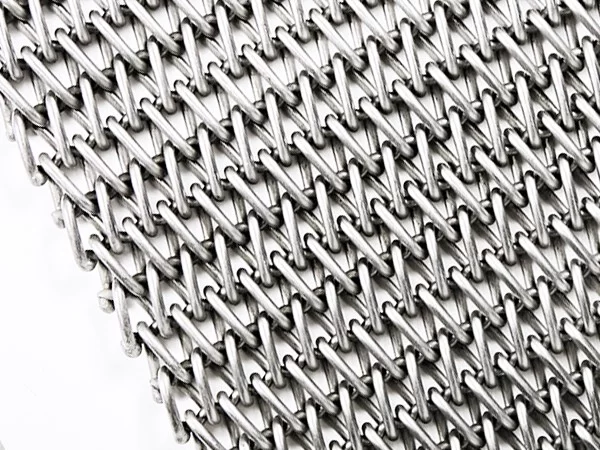 Wire Mesh Lehr Belts
Lehr Belts feature a balanced weave wire construction, composed of alternating right- and left-hand flattened spirals securely seated in crimped connector rods. The belt edges are welded to enhance durability and stability.
-
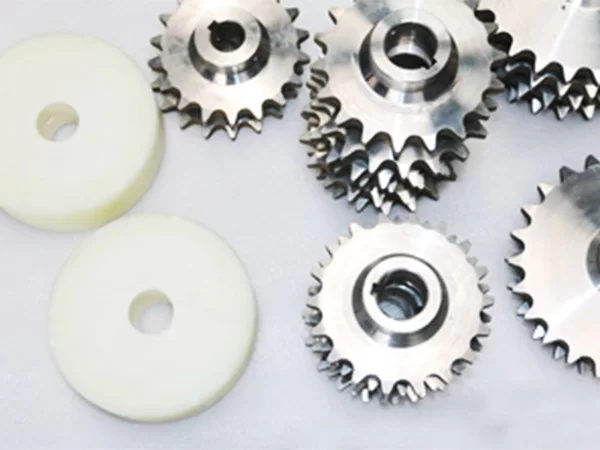 Sprockets
Jiaoyang offers a comprehensive range of standard sprockets and can also manufacture to order sprockets for new or replacement applications to suit any specified belt.
-
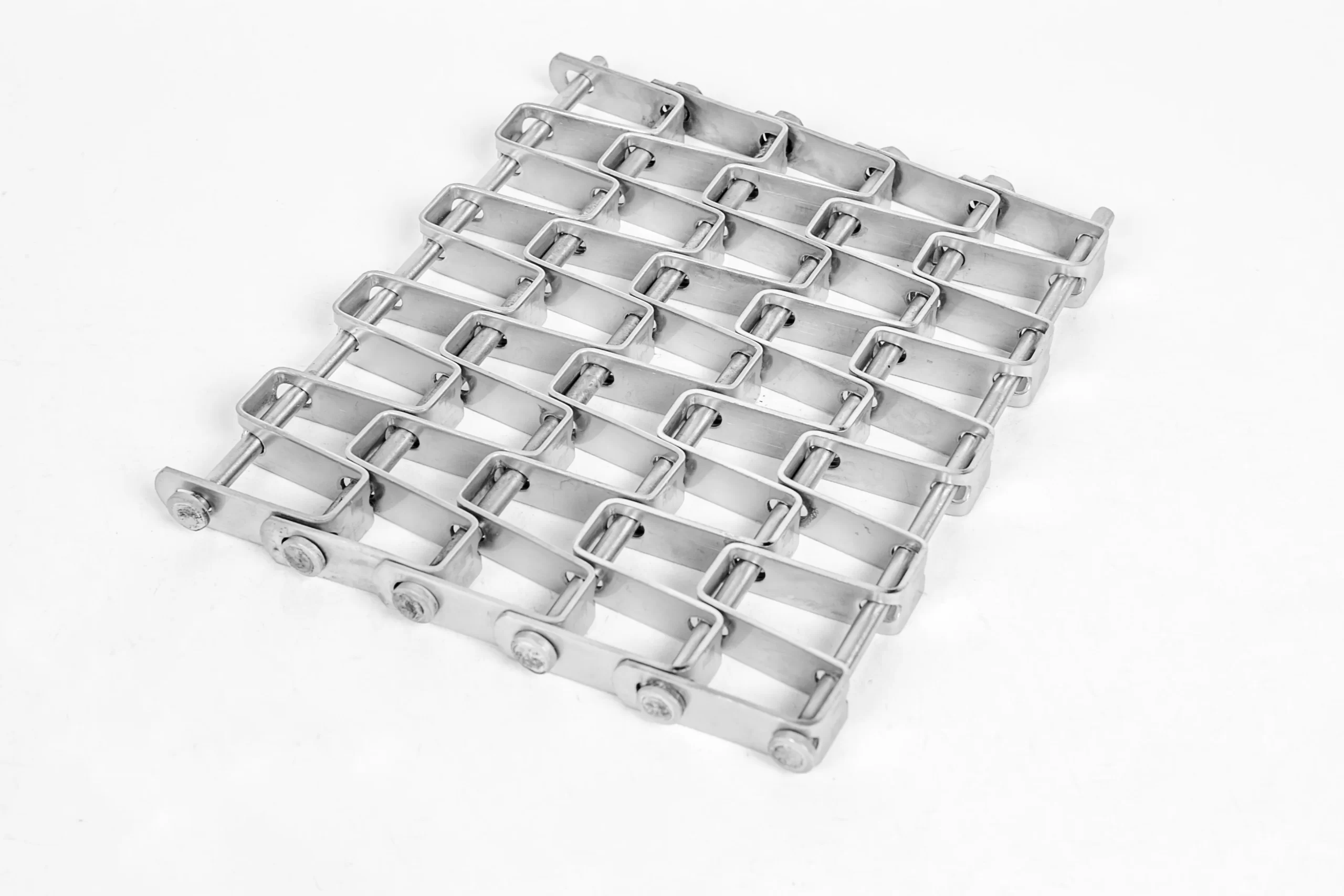 Honeycomb Conveyor Belts
Customize the butterfly pressure plate as needed
-
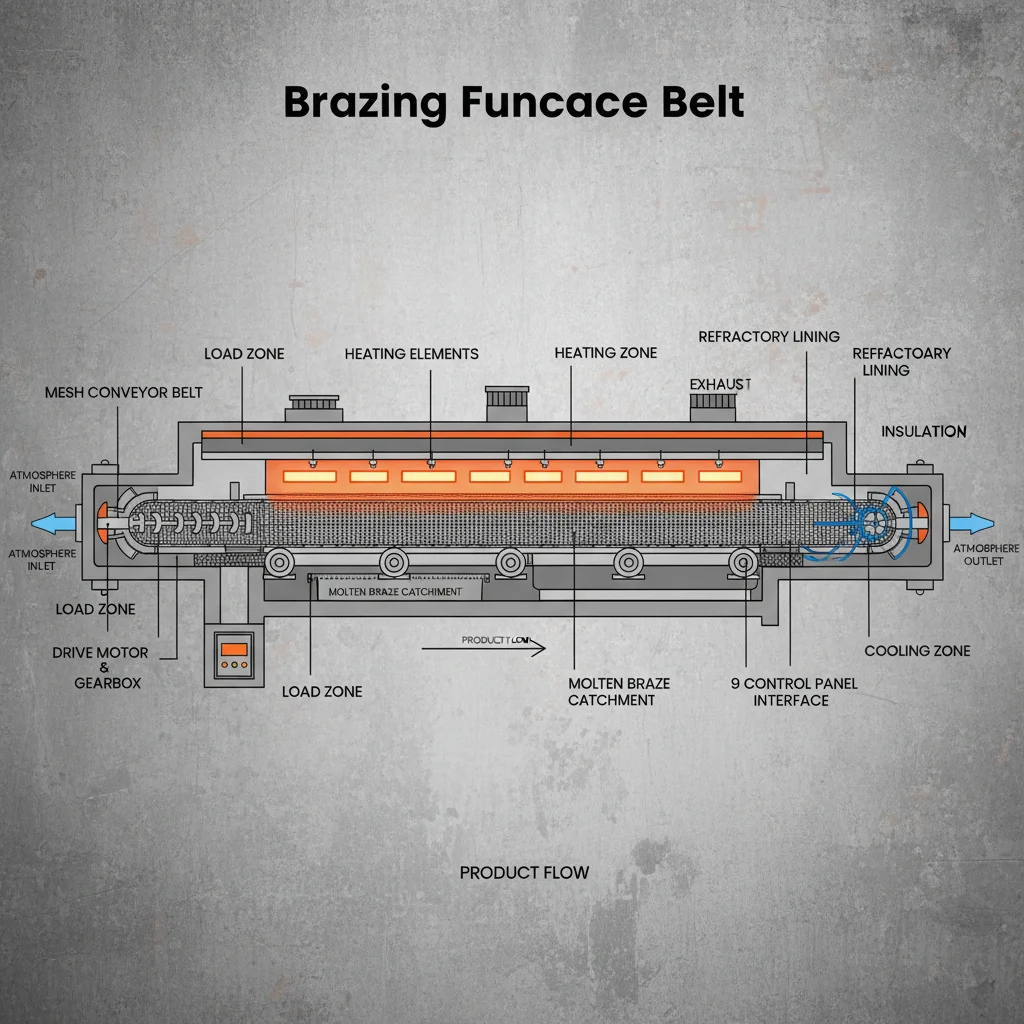 March 26, 2026Optimizing Brazing Processes with the Right Brazing Furnace Belt SelectionBrazing is a critical process in numerous industries, from automotive and aerospace to HVAC and manufacturing. Ensuring consistent and reliable operation of brazing furnaces is paramount, and a key component in achieving this is the brazing furnace belt. This article delves into the world of brazing furnace belts, exploring their function, types, materials, maintenance, and how to select the right belt for your specific brazing application. We'll cover everything you need to know to optimize your brazing process and maximize efficiency. A brazing furnace belt, also known as a mesh belt, is a continuous loop of metal mesh that serves as the conveyor system within a brazing furnace. It transports parts through the controlled atmosphere and heat, facilitating the brazing process. Its importance lies in providing a consistent and controlled method for part conveyance, ensuring uniform heating and cooling, and ultimately, the quality of the brazed joints.
-
 June 23, 2026OilImpregnated Bearing Sintering Furnace Mesh Belt GuideOptimizing Production with Oil-Impregnated Bearing Sintering Furnace Mesh Belt In the high-precision world of powder metallurgy, the efficiency of the sintering process directly dictates the quality of the final component. A critical yet often overlooked component of this system is the Oil-Impregnated Bearing Sintering Furnace Mesh Belt . These specialized belts are engineered to withstand extreme thermal cycling while transporting delicate bearing parts through vacuum or controlled-atmosphere furnaces. By providing a stable, heat-resistant platform, they ensure that the oil impregnation process is uniform, reducing friction and enhancing the longevity of the bearings.
-
 November 02, 2026Rod Network Conveyor Belts: Integration and Maintenance FAQAnswers for buyers planning to integrate Rod Network Conveyor Belts into cooling, baking, drying, food processing, pharmaceutical processing, or industrial heat-treatment lines. Covers belt structure, airflow, materials, tracking, cleaning, and the details to prepare for a tailored belt request.
-
 June 27, 2026High Performance Precision Components for Compound Weave BeltsIn the complex world of industrial mechanical transmission, the efficiency of a conveyor system often depends on the smallest precision components. High-performance edge components, such as premium chain links, play a critical role in maintaining the synchronization and stability of metal conveyor belts. By ensuring a flawless interface between the belt and the drive sprocket, these components prevent slippage and reduce operational downtime. Global industrial standards, including those set by ISO, emphasize the necessity of wear-resistant materials to prolong the lifecycle of heavy-duty machinery. The integration of advanced alloys and stainless steels into edge guidance systems has revolutionized how factories approach throughput and maintenance.
-
 September 29, 2026High Precision Wholesale Sintering furnace mesh belt SolutionsWholesale Sintering furnace mesh belt refers to high-precision industrial conveyor solutions specifically engineered to transport materials through extreme thermal environments. These belts, often featuring advanced rod network or flat flex architectures, are critical components in sintering furnaces where uniform heat distribution and structural integrity under high tension are mandatory for material synthesis. In the demanding sectors of powder metallurgy and automotive heat treatment, manufacturers often struggle with belt elongation, high operational noise, and insufficient airflow. Traditional woven meshes frequently fail to maintain track alignment at temperatures exceeding 1000C, leading to costly production downtime and inconsistent product quality.
-
 June 05, 2026Engineering Excellence In Precision Sintering Mesh BeltsEngineering Excellence In Precision Sintering Mesh Belts High-performance conveyor solutions for semiconductor materials, combining extreme thermal stability with unmatched dimensional precision for the most demanding sintering processes. 4200 Annual Output 165 Countries Served 6 Days Sample Lead Time 99.8 On-Time Delivery Advanced Solutions for Semiconductor Material Sintering As a global leader in mechanical transmission components, we provide the Semiconductor Material Sintering Mesh Belt designed for ultra-high temperature stability . Our belts are engineered to eliminate contamination and ensure uniform heat distribution in semiconductor wafer processing. Leveraging balanced weave technology , our Semiconductor Material Sintering Mesh Belt ensures straight-running tracking
-
 June 11, 2026Heavy Duty Industrial Copper Brazed Wire Mesh Belt SolutionsIn the demanding landscape of modern industrial processing, the selection of a high-performance conveyor system is critical for maintaining operational efficiency and product quality. The copper brazed wire mesh belt , specifically when implemented as a heavy-duty Eye Link configuration, provides an unparalleled solution for environments that subject equipment to extreme heat and mechanical stress. By integrating advanced brazing techniques with robust material science, these belts ensure a seamless transition of materials across complex production lines. Globally, the shift toward automation in the general equipment manufacturing sector has highlighted the need for belts that offer both stability and customization.
-
 November 04, 2026Custom Brazing Furnace Belt Supplier for Reliable High-Temperature Industrial Processing
Brazing is widely used to join metal components in automotive manufacturing, heat exchangers, electrical equipment, HVAC systems, and precision engineering.
Get Your Custom Solution
Facing challenges with high-temperature conveying? Contact us now.
Our engineers will provide you with expert product consultation and tailored solutions.
Sign up
for our Newsletter
Subscribe to the weekly newsletter for all the latest updates


