
Optimizing Brazing Processes with the Right Brazing Furnace Belt Selection
Optimizing Brazing Processes with the Right Brazing Furnace Belt Selection
Understanding the Brazing Furnace Belt: A Comprehensive Guide
Brazing is a critical process in numerous industries, from automotive and aerospace to HVAC and manufacturing. Ensuring consistent and reliable operation of brazing furnaces is paramount, and a key component in achieving this is the brazing furnace belt. This article delves into the world of brazing furnace belts, exploring their function, types, materials, maintenance, and how to select the right belt for your specific brazing application. We'll cover everything you need to know to optimize your brazing process and maximize efficiency.
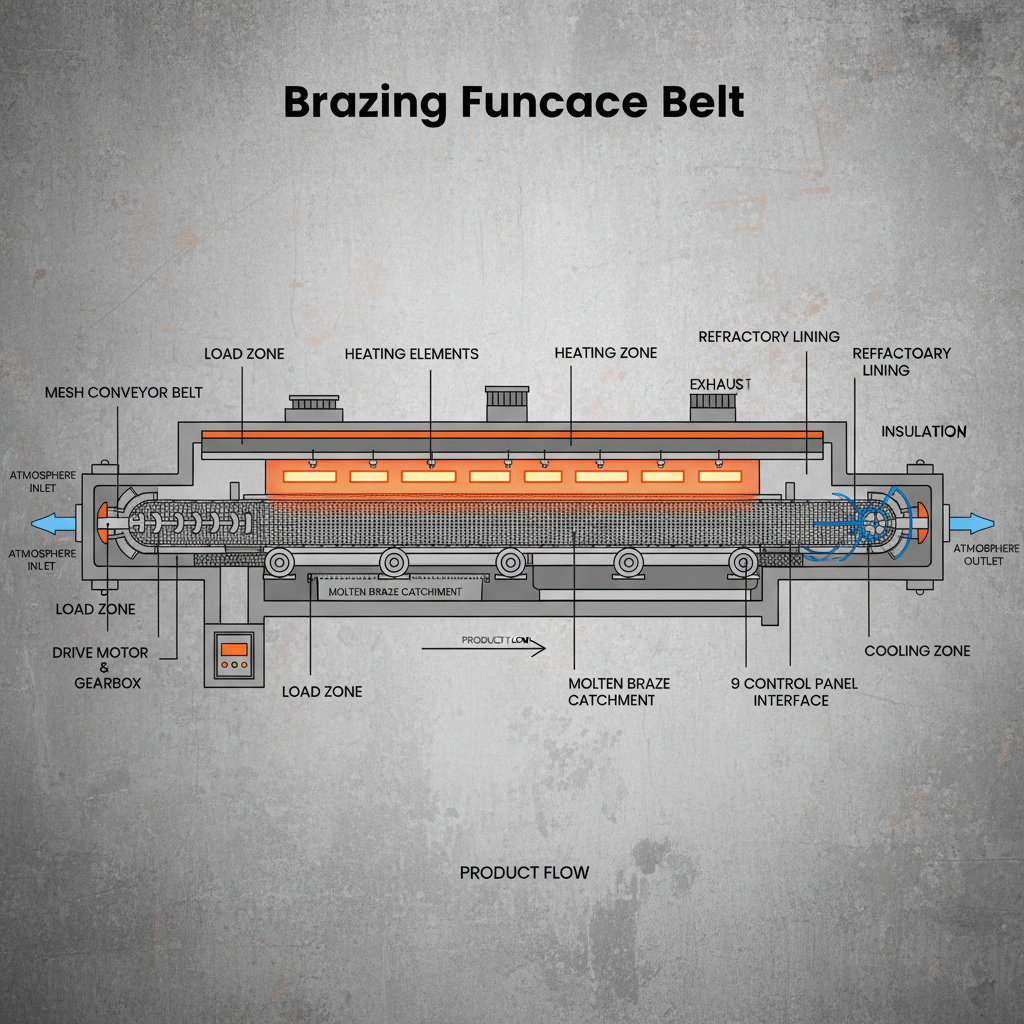
What is a Brazing Furnace Belt and Why is it Important?
A brazing furnace belt, also known as a mesh belt, is a continuous loop of metal mesh that serves as the conveyor system within a brazing furnace. It transports parts through the controlled atmosphere and heat, facilitating the brazing process. Its importance lies in providing a consistent and controlled method for part conveyance, ensuring uniform heating and cooling, and ultimately, the quality of the brazed joints. Without a reliable belt, maintaining consistent brazing results and preventing defects would be significantly more challenging. The quality of the belt directly impacts the quality of the final product.
Key Benefits: Consistent part conveyance, uniform heating and cooling, improved brazing quality, increased production efficiency.
Types of Brazing Furnace Belts
Brazing furnace belts come in various types, each suited for specific applications and operating conditions. The most common types include:
- Woven Mesh Belts: These belts are created by weaving wires together, offering good flexibility and a relatively smooth surface.
- Welded Mesh Belts: These belts are formed by welding wires together, providing higher strength and durability.
- Spiral Belts: Constructed from coiled wire, spiral belts offer excellent strength and are ideal for heavy loads.
- Flat Wire Belts: These belts are created from flattened wires, offering a very flat surface ideal for smaller parts.
Choosing the right type depends on factors such as part weight, part geometry, furnace temperature, and desired throughput. Consulting with a belt manufacturer like JY Mesh Belt is highly recommended.
Materials Used in Brazing Furnace Belts
The material of the brazing furnace belt is critical for its performance and longevity. Common materials include:
- Stainless Steel (304, 310, 316): Excellent corrosion resistance and suitable for a wide range of temperatures.
- Nickel Alloys (Inconel, Hastelloy): Exceptional high-temperature strength and resistance to oxidation.
- Carbon Steel: A cost-effective option for lower-temperature applications.
The selection of the material should consider the brazing temperature, the atmosphere within the furnace, and the type of metal being brazed. Nickel alloys are often preferred for their ability to withstand extreme temperatures and corrosive environments.
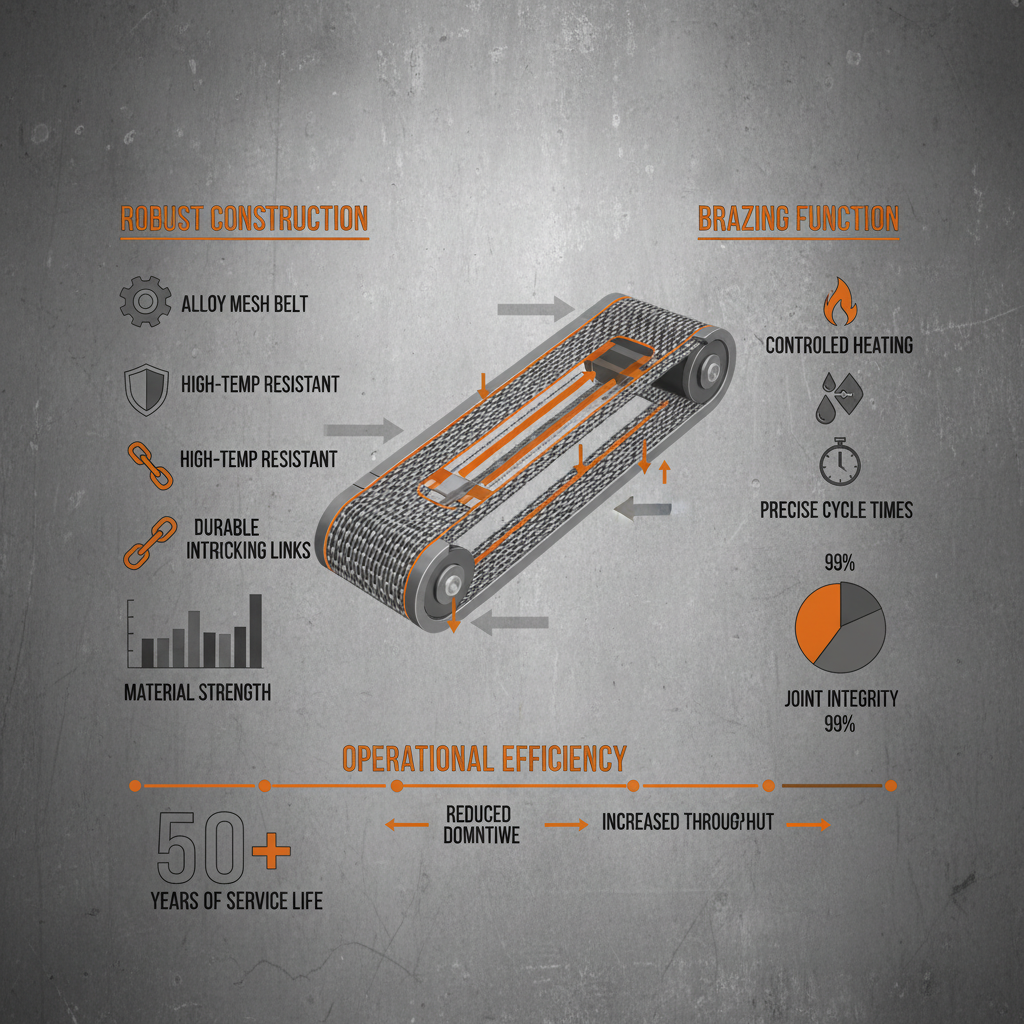
Brazing Furnace Belt Selection: Key Considerations
Choosing the right brazing furnace belt requires careful consideration of several factors. Here’s a comparison table to help guide your decision:
Maintenance and Longevity of Brazing Furnace Belts
Proper maintenance is crucial for extending the life of your brazing furnace belt. Regular inspection for wear and tear, cleaning to remove debris, and proper tensioning are essential. Addressing issues promptly can prevent costly downtime and ensure consistent performance. The team at JY Mesh Belt can provide guidance on optimal maintenance practices. Regularly check for signs of distortion, corrosion, or broken wires.
Conclusion: Optimizing Your Brazing Process with the Right Belt
Investing in a high-quality brazing furnace belt from a reputable manufacturer like JY Mesh Belt is a vital step towards optimizing your brazing process. By carefully considering your application requirements and implementing a proactive maintenance program, you can ensure reliable performance, consistent brazing results, and a long service life for your investment.
Frequently Asked Questions (FAQs)
What is the typical lifespan of a brazing furnace belt?
The lifespan of a brazing furnace belt varies greatly depending on factors such as operating temperature, load weight, maintenance practices, and the corrosive nature of the brazing atmosphere. Generally, a well-maintained belt can last anywhere from 1 to 5 years. However, regular inspections are critical to identify wear and tear and prevent premature failure. Replacing the belt proactively, rather than waiting for it to break, can prevent costly downtime and ensure consistent production. Factors like sharp edges on parts being brazed can drastically shorten belt life, so preventative measures should be taken.
How do I properly tension a brazing furnace belt?
Proper belt tension is vital for maintaining tracking and preventing slippage. Too little tension can cause the belt to wander, while too much tension can strain the belt and lead to premature failure. The correct tension will vary depending on the belt type, width, and load. Most manufacturers provide specific tensioning guidelines. Generally, the belt should be taut but have some slight give when pressed. Regular adjustments are necessary as the belt stretches with use.
What should I do if my brazing furnace belt starts to wander?
If your brazing furnace belt begins to wander, first check the tension. Often, adjusting the tension will correct the problem. Next, inspect the belt for damage, such as broken wires or uneven wear. Ensure the furnace rollers are clean and free of debris. Finally, check the alignment of the furnace rollers to ensure they are parallel. If the wandering persists, it may be necessary to replace the belt or consult with a belt specialist at JY Mesh Belt for assistance.
Can a brazing furnace belt be repaired?
Minor damage, such as a few broken wires, can sometimes be repaired, but it’s generally not recommended for significant damage. Repairing a belt can compromise its structural integrity and potentially lead to failure. It’s usually more cost-effective and safer to replace the belt entirely. JY Mesh Belt offers repair services, but primarily recommends replacement for most damage scenarios to guarantee safety and reliability.
-
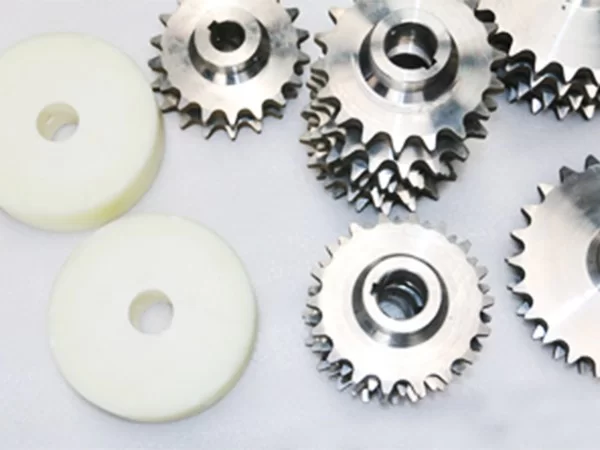 Sprockets
Jiaoyang offers a comprehensive range of standard sprockets and can also manufacture to order sprockets for new or replacement applications to suit any specified belt.
-
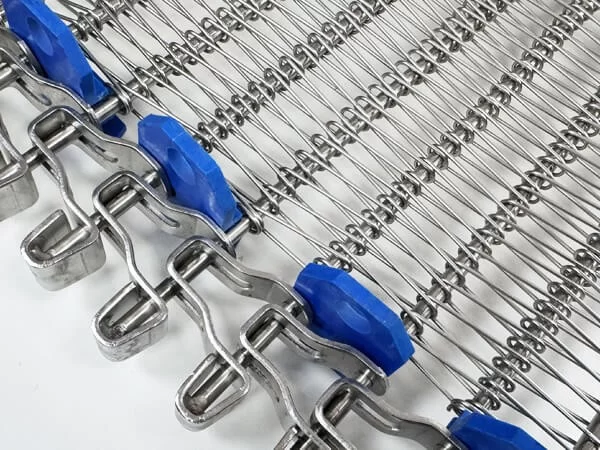 Edge Drive Spiral Freezer Belts
Edge Drive Spiral Freezer Belts are precision-engineered stainless steel conveyor belts used in spiral freezers across the food processing industry. Designed for edge-driven systems, these belts provide stable, hygienic, and efficient transport of food products during the freezing process. They are ideal for high-capacity operations where product integrity, airflow, and hygiene are critical.
-
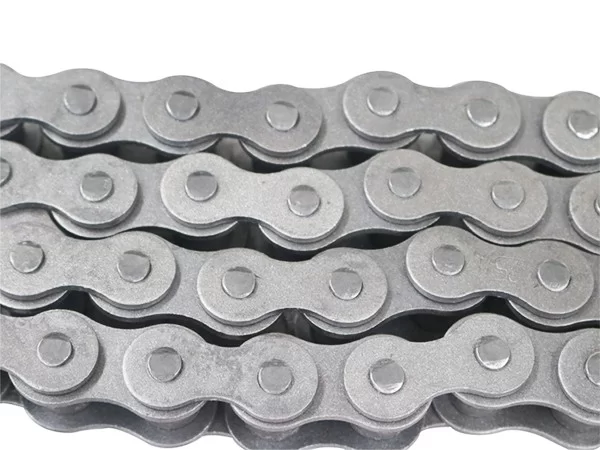 Chain Links
Chains links are important components and accessories in the whole conveyor belt system. They are used combined with sprockets as a drive system to ensure stable and smooth conveying and transmitting. We can supply all kinds of chain links for you.
-
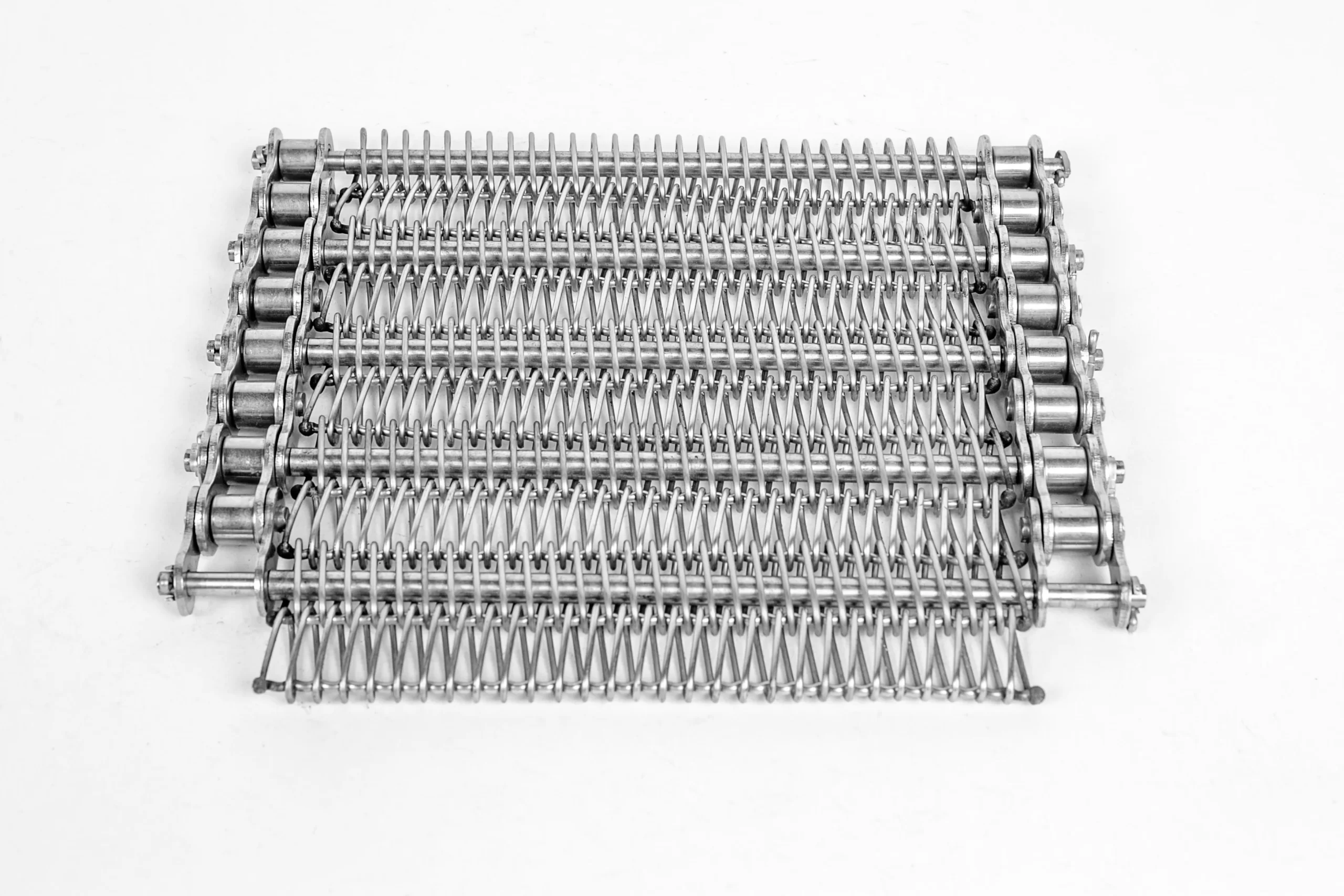 Chain Driven Conveyor Belts
Stainless steel chain link belt with precision-driven rollers
-
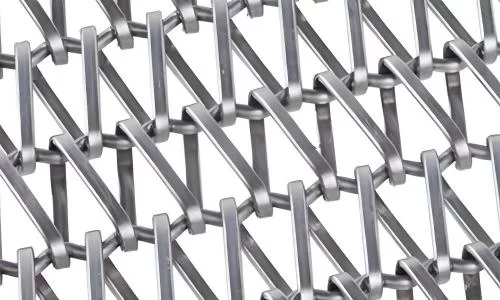 Veneer Dryer Wire Mesh Belts
Veneer dryer wire mesh belts are essential components in continuous veneer drying systems, widely used in plywood and panel manufacturing. These belts are designed to withstand high temperatures, provide stable transport, and allow optimal air circulation, ensuring uniform drying of wood veneer sheets. Made from high-quality metal or heat-resistant synthetic materials, these belts contribute to energy efficiency, reduce product defects, and enhance drying line productivity.
-
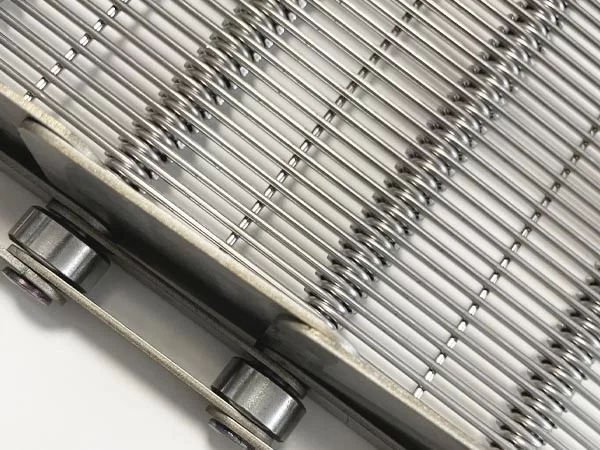 Eye Link Conveyor Belts
Eye Link Conveyor Belts, also named Wire Link Conveyor Belts, Eye-Flex Conveyor Belt, Wire Loop Belt. Eye link belts are produced of stainless steel or other alloys. They consist of a series of eye links or eye link modules. Joined with cross rods they form a flat, simple surface, which is extremely stable and durable. The qualities of this versatile conveyor belt form a combination of advantages that make it particularly suitable for the most demanding applications in the food, chemical, pharmaceutical and packaging industries.
-
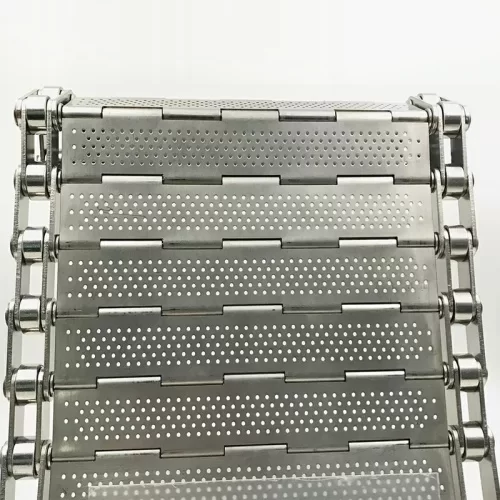 Plate Link Conveyor Belt
Plate conveyor belts are composed of hinged slats with or without holes. Hinge ……
-
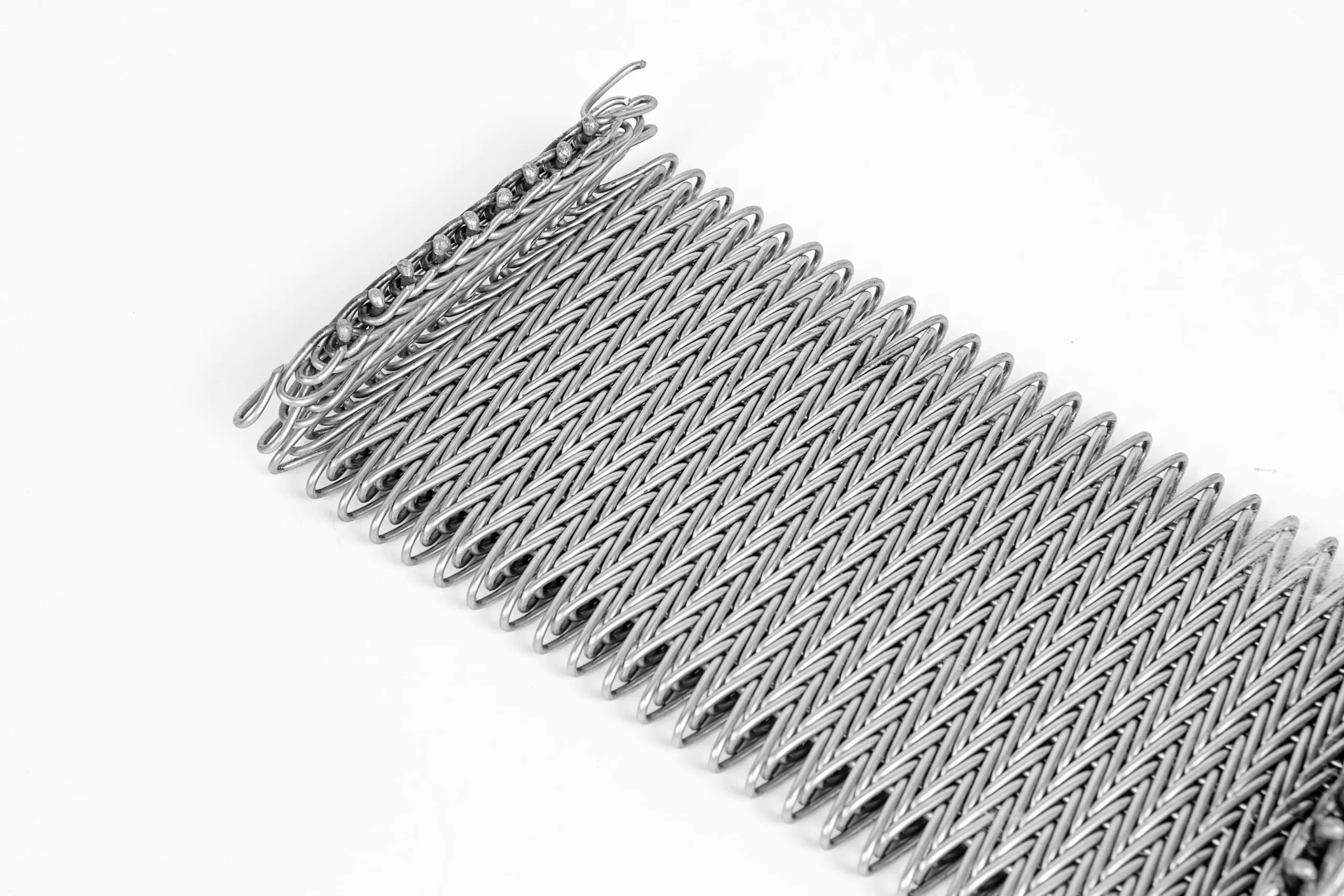 Compound Balanced Weave Conveyor Belt
aka cord weave conveyor belt
aka v shaped conveyor belt
aka chevron conveyor belt
Compound Balanced Weave Conveyor Belt: Also known as Chevron Conveyor Belt.It is a metal mesh belt with a special structure. It is woven by left and right spiral wires. It has a tight and strong structure. Its mesh holes are evenly arranged in a "herringbone" shape (also called "V" or "fishbone" shape). The edges can be welded, crimped or chain-reinforced to improve strength and stability.
This design gives it unique performance advantages and is widely used in industries that require high strength, high temperature resistance and stable transportation. It is usually made of stainless steel (such as stainless steel 314, stainless steel 316L, stainless steel 304), heat-resistant steel or other alloy materials.
-
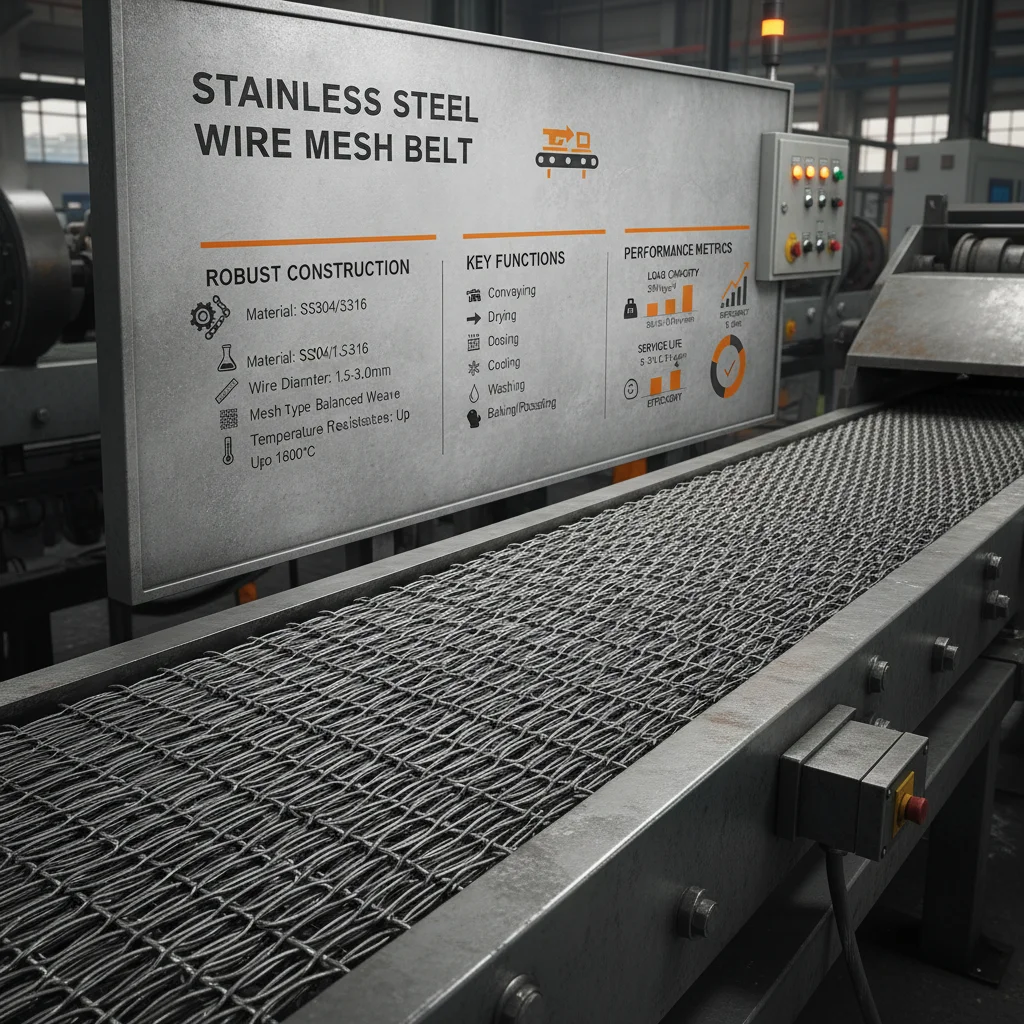 March 18, 2026Precision Engineered Solutions for Demanding IndustriesWe deliver robust and reliable wire mesh belt solutions, optimized for performance and longevity. As a leading manufacturer, we specialize in delivering high-quality Stainless Steel Wire Mesh Belt solutions engineered for a wide spectrum of industrial applications. Our belts are renowned for their exceptional strength, durability, and resistance to corrosion, ensuring optimal performance and a prolonged service life. Stainless Steel Wire Mesh Belt provide efficient conveying and processing solutions across diverse sectors.
 -
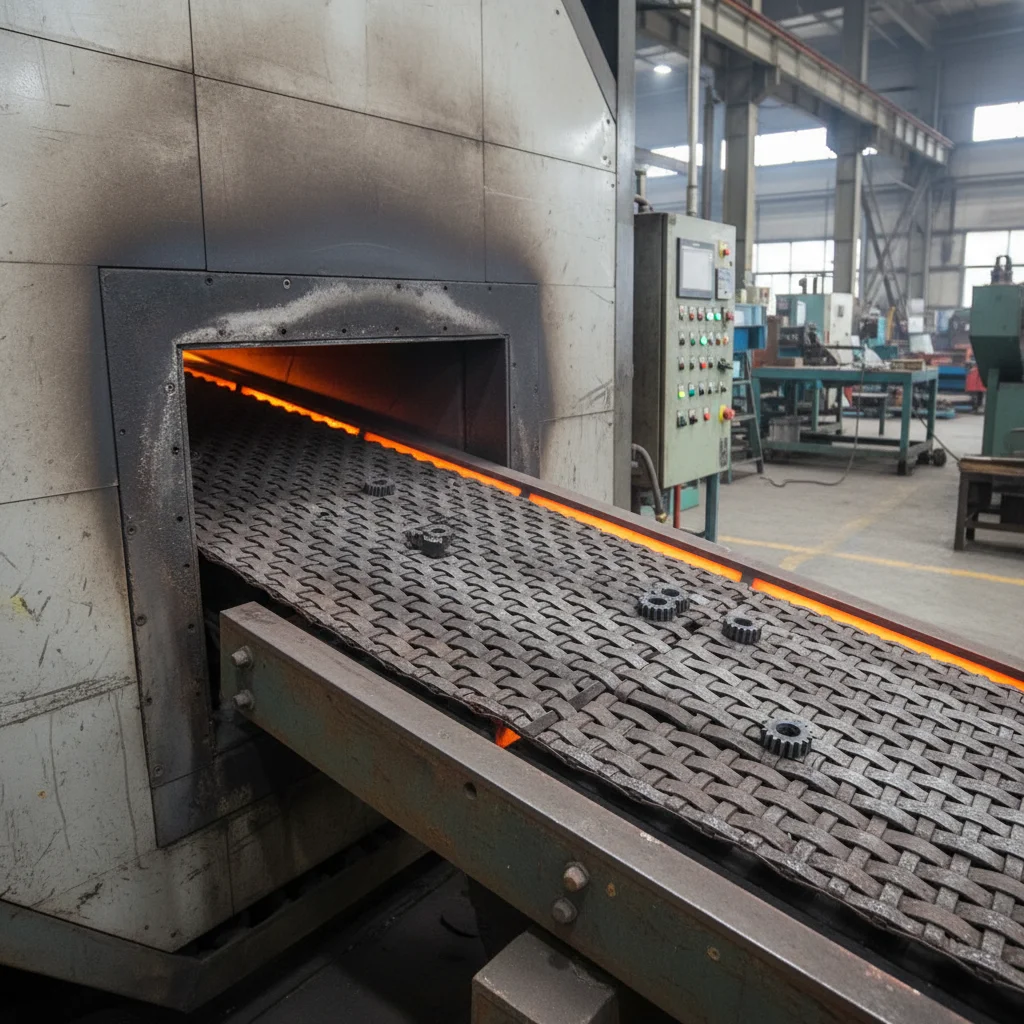 March 24, 2026Optimizing Sintering Processes with High Performance Sintering Furnace Mesh Belt SolutionsIn the realm of heat treatment processes, particularly sintering, the efficiency and reliability of the material handling system are crucial. A sintering furnace mesh belt plays a pivotal role in ensuring consistent product quality and maximizing throughput. This article will delve into the intricacies of these belts, exploring their construction, benefits, applications, maintenance, and future trends. We will also examine how selecting the right mesh belt can significantly impact your sintering process and overall operational costs. A high-quality belt means reduced downtime and a more consistent final product. A sintering furnace mesh belt is a continuous belt made of interwoven metal wires, designed to transport materials through a high-temperature sintering furnace. Sintering is a heat treatment process used to bond particles together without melting them, creating a solid mass. The mesh belt provides a stable and consistent surface for the parts to travel on, ensuring uniform heating and preventing damage. These belts are engineered to withstand extreme temperatures, resist oxidation, and maintain their shape under load.
 -
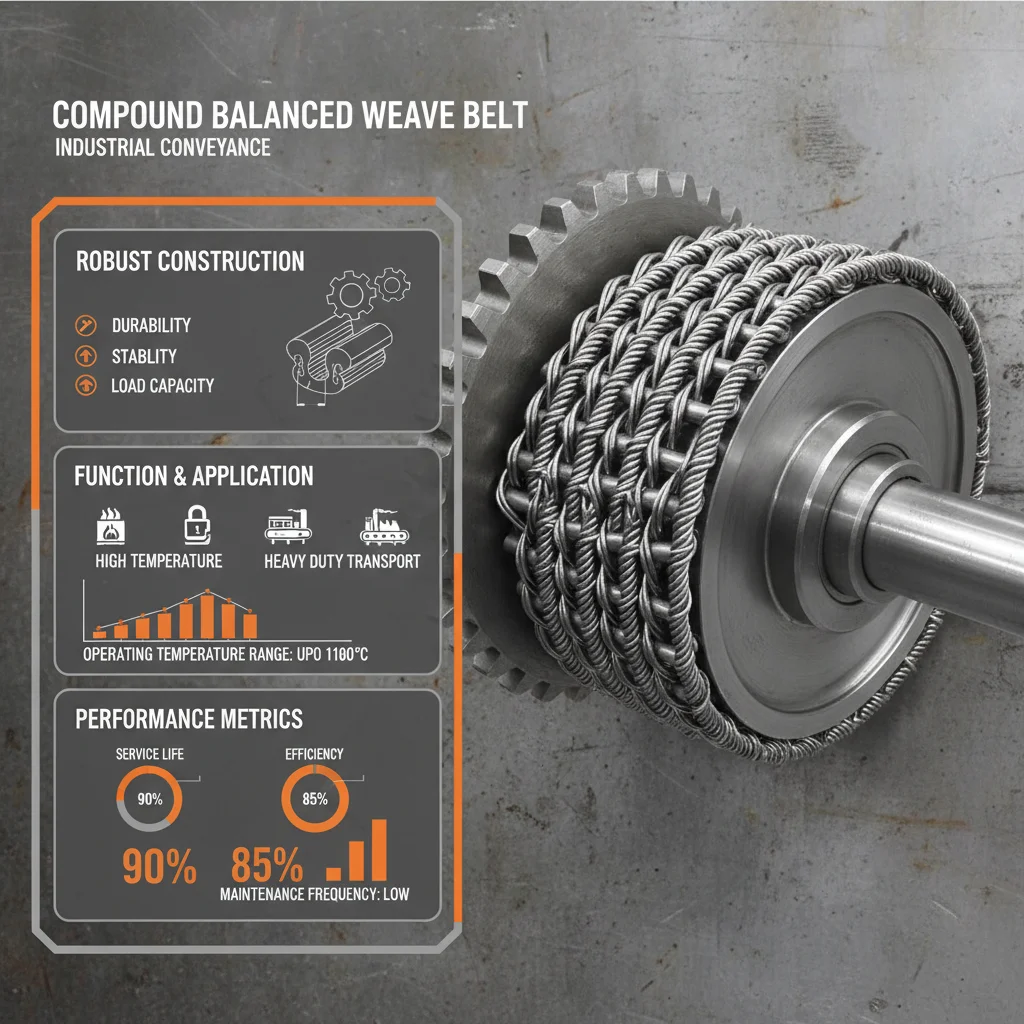 March 23, 2026HighPerformance Conveyor BeltsEngineered solutions for optimal power transmission and reliable performance in diverse industrial applications. Our Compound Balanced Weave Belt combines high-strength materials with exceptional weaving precision, delivering unparalleled performance and reliability. It is engineered to meet the demands of the most challenging industrial environments. We offer belts crafted from premium materials, withstanding heavy loads and extreme conditions without compromising performance.
 -
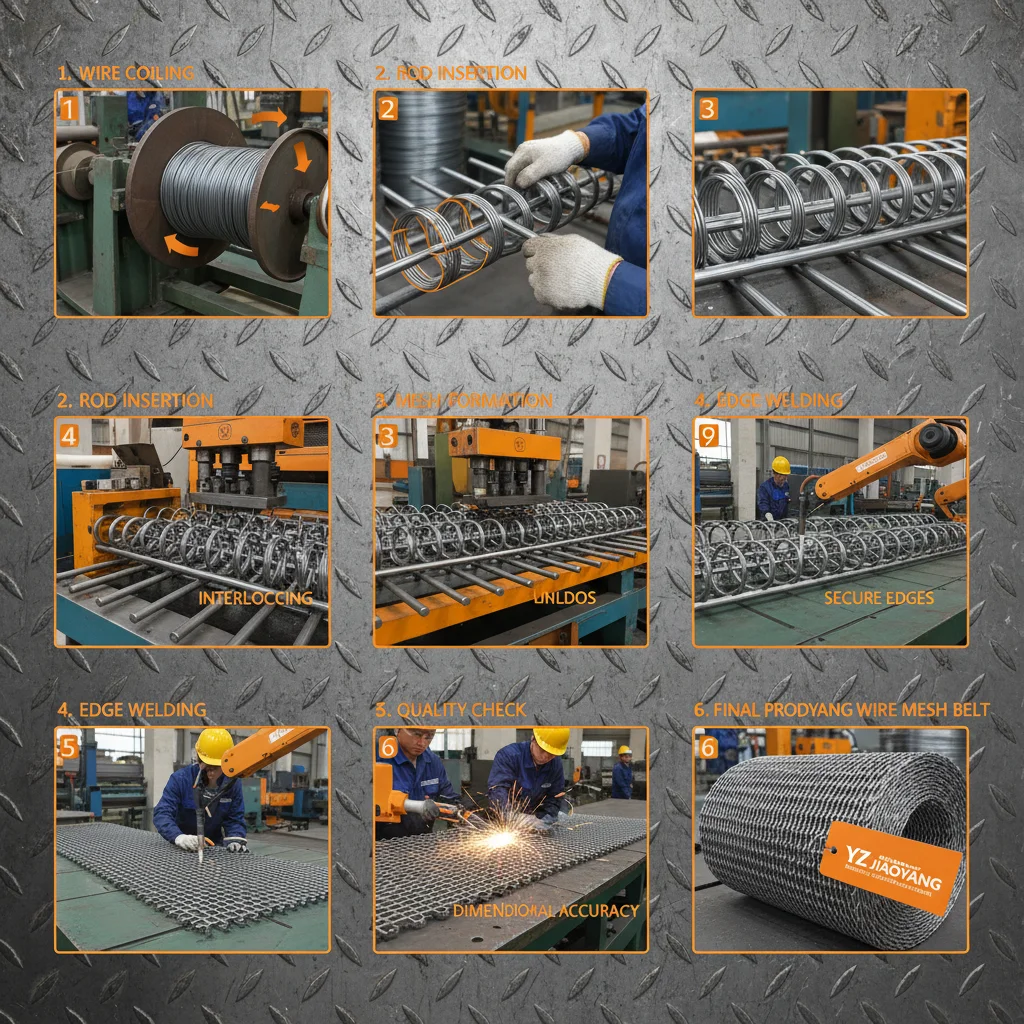 March 11, 2026Yangzhou Jiaoyang Wire Mesh Belt Optimizing Industrial Material Handling SolutionsYangzhou Jiaoyang Wire Mesh Belt represents a critical component in modern industrial processes, offering solutions for material handling across a diverse range of sectors. Its robust construction and adaptable design make it indispensable in industries demanding continuous operation and efficient conveyance. Understanding the nuances of these belts—from their material composition to their specific applications—is vital for optimizing operational efficiency and reducing downtime. Globally, the demand for high-quality wire mesh belts is steadily increasing, driven by growth in food processing, heat treatment, and other manufacturing industries. According to recent industry reports, the wire mesh belt market is projected to reach significant growth in the coming years, fueled by advancements in materials science and a greater emphasis on automation. Yangzhou Jiaoyang Wire Mesh Belt actively contributes to this growth by delivering innovative and reliable solutions. A key challenge faced by many manufacturers is the need for durable, reliable, and cost-effective material handling systems. Traditional conveyor methods often fall short in demanding environments.
 -
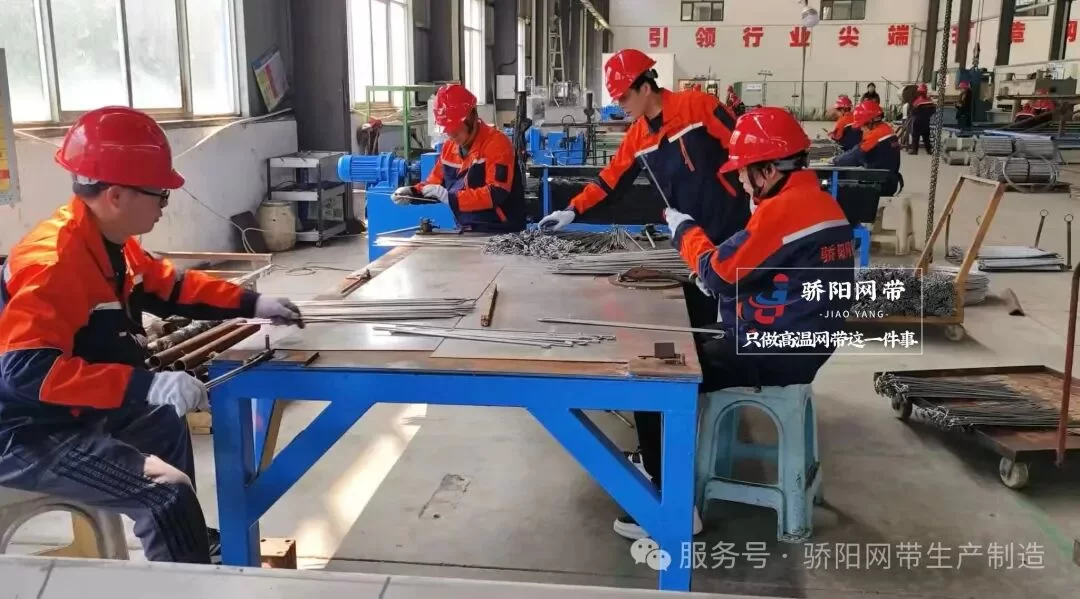 January 01, 2026What Are The Advantages Of Choosing A Photovoltaic Panel Pyrolysis Furnace Mesh Belt From Jiaoyang Products?
In the photovoltaic panel debris recycling industry, the stability of the pyrolysis furnace mesh belt affects production efficiency.
-
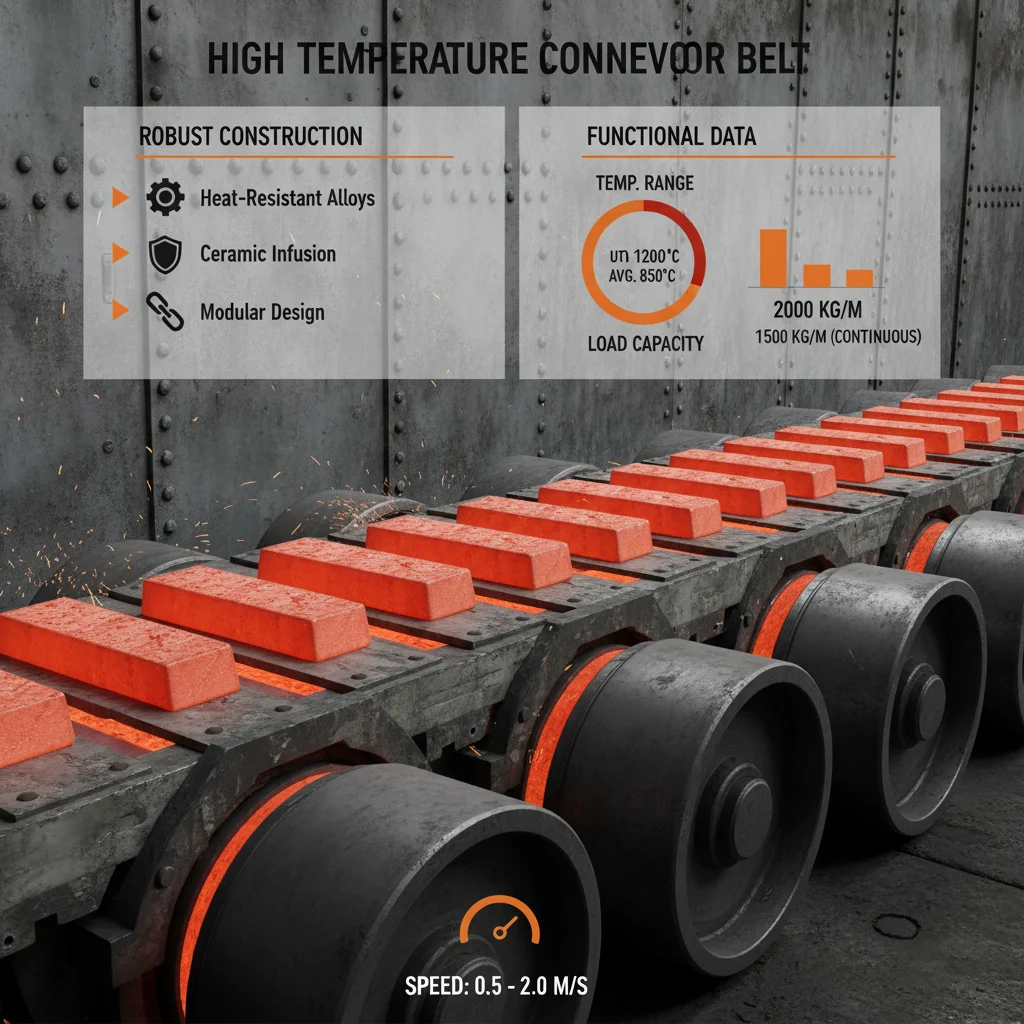 March 13, 2026HighTemperature Conveyor Belt Solutions for Demanding IndustriesEngineered for reliability and performance in high-heat applications, our conveyor belts deliver unmatched durability and operational efficiency. Our high-temperature conveyor belts are engineered to withstand extreme heat and provide reliable performance in critical industrial applications. We are a leading provider of solutions for High Temperature Conveyor Belt. Leveraging advanced materials and innovative designs, our belts ensure longevity, minimize downtime, and optimize production processes. We specialize in custom solutions to meet unique application requirements.
 -
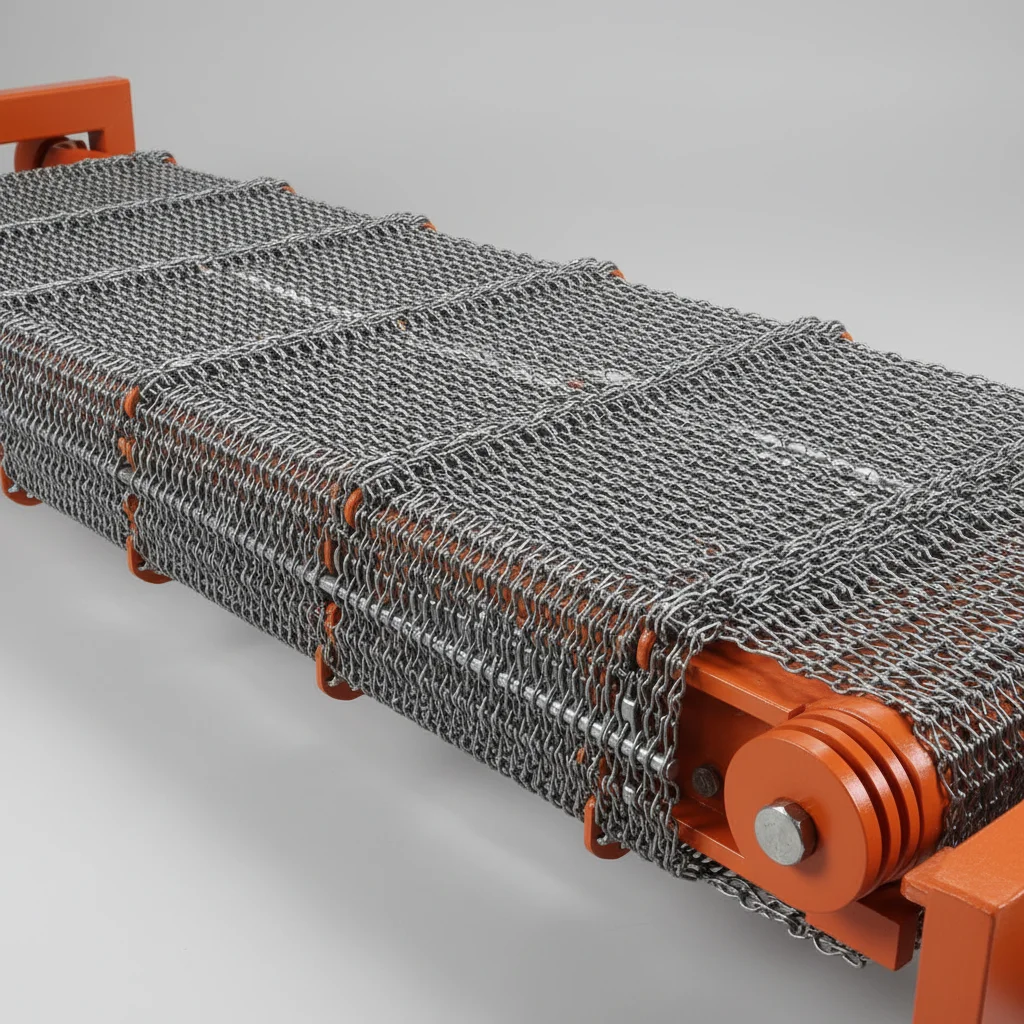 March 31, 2026Comprehensive Guide to Dryer Mesh Belt Technology and Industrial ApplicationsIn various industrial processes, efficient drying is critical. Dryer mesh belts play a vital role in achieving optimal results. These belts facilitate continuous drying processes, offering a robust and reliable solution for a wide range of materials. This article explores the intricacies of dryer mesh belts, their benefits, types, applications, and considerations for selecting the right belt for your specific needs. From food processing to chemical manufacturing, we'll cover how these belts enhance efficiency and product quality.
 -
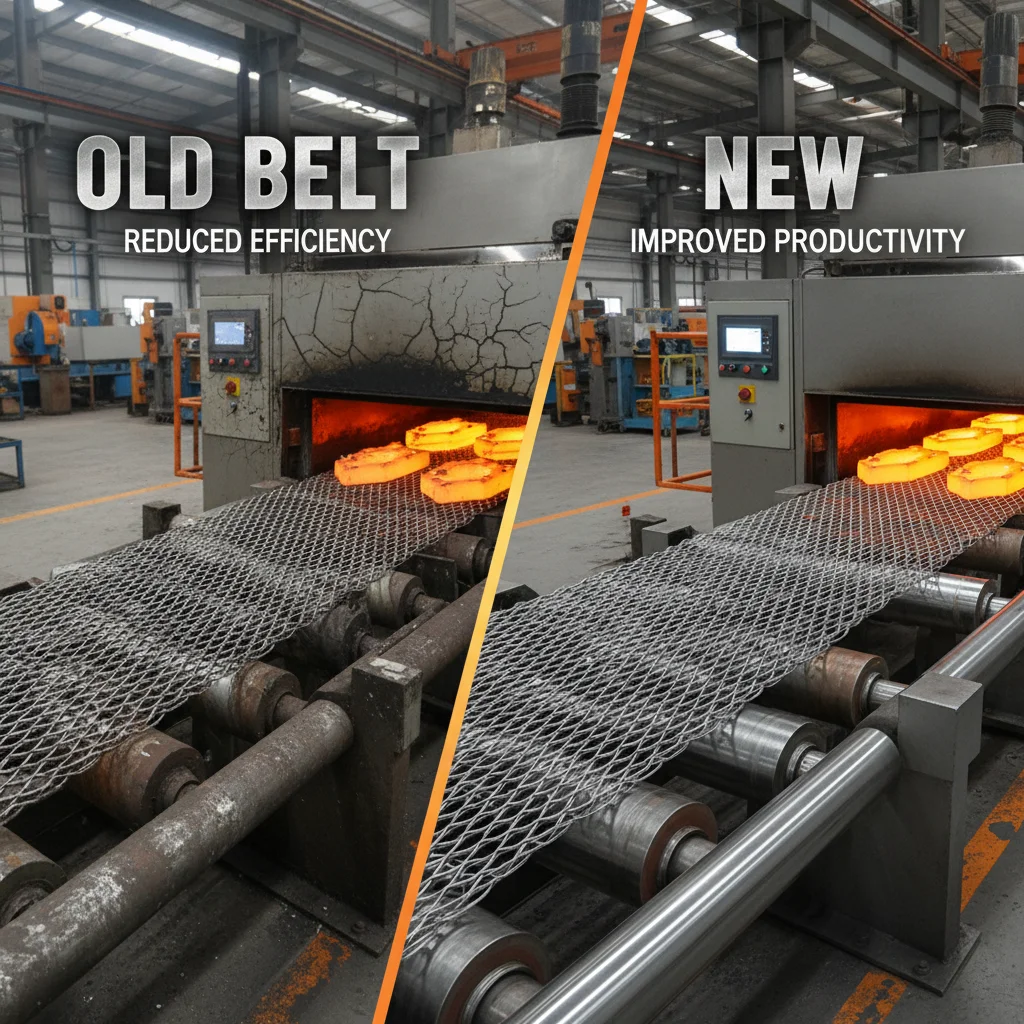 March 10, 2026Comprehensive Guide to Stainless Steel Wire Mesh Belt Applications and SelectionStainless Steel Wire Mesh Belt: A Comprehensive Guide I […]
Get Your Custom Solution
Facing challenges with high-temperature conveying? Contact us now.
Our engineers will provide you with expert product consultation and tailored solutions.
Sign up
for our Newsletter
Subscribe to the weekly newsletter for all the latest updates


