- Tel: +86 15252586600 / +86 13705250816
- Email: 527966138@qq.com / 1026520412@qq.com

Custom Brazing Furnace Belt Supplier for Reliable High-Temperature Industrial Processing
Custom Brazing Furnace Belt Supplier for Reliable High-Temperature Industrial Processing
Brazing is widely used to join metal components in automotive manufacturing, heat exchangers, electrical equipment, HVAC systems, and precision engineering. In continuous brazing lines, components travel through controlled heating zones before cooling and subsequent inspection. Throughout this process, the conveyor belt must support the workpieces while operating under demanding thermal and mechanical conditions.
A Brazing Furnace Belt is a metal conveyor belt designed for use in brazing furnaces and related thermal-processing equipment. Depending on the furnace design and application, the belt may need to withstand elevated temperatures, repeated thermal cycles, continuous loading, and contact with flux residues or other process-related substances.
Choosing the right belt involves more than selecting a heat-resistant material. Belt construction, wire dimensions, loading conditions, furnace atmosphere, operating speed, and conveyor geometry all influence performance.
For manufacturers seeking reliable continuous brazing operations, a properly specified furnace belt can help maintain stable workpiece transport, support consistent production, and simplify maintenance planning.

Common Challenges in Continuous Brazing Furnace Operations
Thermal Exposure and Material Degradation
Brazing furnace belts operate under temperature conditions determined by the joining process, furnace atmosphere, and production cycle. Prolonged exposure to heat can affect material strength, oxidation behavior, and dimensional stability.
The appropriate belt material depends on the actual operating profile, including peak temperature, time at temperature, heating and cooling rates, and atmosphere. Buyers should obtain application-specific material recommendations rather than selecting a belt solely by its advertised maximum temperature.
Belt Tracking and Running Stability
A belt that moves unevenly may affect workpiece positioning and cause unwanted contact with furnace components. Tracking performance depends on belt geometry, edge construction, drive design, support arrangement, alignment, and installation quality.
Before replacing a belt, manufacturers should inspect the conveyor system as well as the belt itself. Misalignment or unsuitable operating conditions may contribute to repeated tracking problems.
Workpiece Support and Loading Consistency
Brazing applications vary from small precision components to larger assemblies and heat-exchanger parts. The belt must provide suitable support for the workpiece while allowing the process to operate as intended.
Mesh opening size, wire configuration, belt width, and loading distribution should be selected according to the shape, weight, and arrangement of the components. A design that works well for one product may not be suitable for another.
Maintenance and Unplanned Downtime
Unexpected belt wear, deformation, or mechanical damage can interrupt a continuous production line. Preventive inspection, suitable material selection, correct installation, and timely replacement planning all contribute to more predictable maintenance.
When evaluating a replacement belt, buyers should consider expected service life and compatibility with existing equipment, not just the initial purchase price.
Understanding Brazing Furnace Belt Construction
The construction of a brazing furnace belt varies according to the furnace type, product requirements, and manufacturer design. Metal wire mesh belts may use balanced weave, compound weave, or other suitable configurations, while some brazing systems require a different conveyor design entirely.
The correct structure should be determined by the process requirements.
Wire Material and Temperature Resistance
Material selection is one of the most important steps in specifying a brazing furnace belt. Stainless steel and selected heat-resistant alloys may be considered for different operating environments, depending on temperature, atmosphere, mechanical load, and exposure duration.
The furnace atmosphere deserves particular attention. A belt suitable for one controlled atmosphere may not perform equally well under different chemical or oxidizing conditions.
Buyers should confirm the material grade and its suitability for the actual furnace process with the belt manufacturer.
Mesh Design and Product Contact
Open-mesh belt constructions can support airflow and heat circulation where the furnace process requires them. The size and arrangement of the openings also influence workpiece support and the possibility of smaller components catching in the mesh.
The belt design should balance these requirements. A denser mesh may be appropriate for small workpieces, while another configuration may provide more suitable open area or load-bearing characteristics.
Belt Edges and Drive Compatibility
Edge design, belt dimensions, drive engagement, and support spacing affect how the belt runs through the furnace. A replacement belt should match the equipment's mechanical requirements and the intended operating direction.
Before ordering, provide the existing belt drawing or a representative sample where possible. Confirm dimensions, connection details, edge configuration, and installation requirements before approving production.
How to Specify a Brazing Furnace Belt for Your Production Line
A structured specification process helps reduce purchasing errors and improves communication between the equipment operator and belt supplier.
1. Describe the brazing process. Identify the products being joined, the furnace type, the joining process, and the production arrangement.
2. Provide the temperature profile. Include normal and peak temperatures, time at temperature, heating and cooling cycles, and furnace atmosphere.
3. Confirm workpiece details. Supply component dimensions, weight, shape, loading density, and any special positioning requirements.
4. Document the conveyor design. Provide belt width and length, wire or mesh specifications, drive arrangement, support spacing, operating speed, and edge requirements.
5. Discuss service and maintenance expectations. Explain production hours, inspection routines, cleaning methods, current belt problems, and preferred replacement arrangements.
6. Review and validate the proposed design. Ask the supplier to confirm material suitability, belt construction, dimensional compatibility, and any operating limitations. Where practical, evaluate the belt under representative production conditions before full deployment.
This process gives buyers a more reliable basis for comparing technical proposals and total operating cost.
Where Brazing Furnace Belts Are Used
Brazing furnace belts can be found in continuous thermal-processing systems across a range of industries. Actual suitability depends on the furnace design and the belt specifications.
Automotive Components
Automotive manufacturing may involve brazing metal components used in fluid handling, thermal management, and other assemblies. Belt selection should account for workpiece geometry, loading consistency, and the furnace's thermal environment.
Heat Exchangers and HVAC Equipment
Heat exchangers and related HVAC components may require controlled brazing processes to join multiple metal parts. The conveyor must support the workpiece throughout heating and cooling while remaining compatible with the production line.
Electrical and Precision Metal Components
Some electrical and precision-engineered metal parts undergo brazing or related thermal joining processes. Their dimensions and loading requirements may make product support, belt stability, and repeatable conveying particularly important.
Industrial Fabrication
Other metal assemblies may use continuous brazing equipment to support higher production volumes. In these settings, belt life, maintenance access, and compatibility with existing conveyor equipment should form part of the purchasing decision.
Yangzhou Jiaoyang Mesh Belt Manufacturing Co., Ltd. and Industrial Belt Support
Yangzhou Jiaoyang Mesh Belt Manufacturing Co., Ltd. specializes in industrial metal wire conveyor belts and provides services covering research and development, manufacturing, sales, installation guidance, recycling, and after-sales support.
The company's stated application areas include powder metallurgy, heat treatment, brazing, building materials and glass, chemical fibers, catalysts, cleaning, and drying. Its reported manufacturing equipment includes automatic wire winding machines, CNC straightening machines, and intelligent embossing machines.
For a brazing furnace belt project, buyers should share the furnace operating parameters and conveyor specifications so the technical team can assess the required belt construction and confirm manufacturing availability.
A technical discussion may cover:
Belt structure and wire material
Operating temperature and furnace atmosphere
Belt dimensions and edge configuration
Workpiece size and loading requirements
Drive compatibility and installation guidance
Maintenance planning and replacement requirements
Yangzhou Jiaoyang Mesh Belt Manufacturing Co., Ltd. emphasizes quality management and manufacturing consistency. Learn more about the internationally recognized ISO 9001 quality management system standard and its role in establishing and continually improving quality management processes.
Frequently Asked Questions About Brazing Furnace Belt
What is a brazing furnace belt?
A brazing furnace belt is a conveyor belt designed to transport metal components through a brazing furnace or related thermal-processing system. Its construction and material depend on the furnace design, process temperature, atmosphere, workpiece, and conveyor configuration.
Which material is suitable for a brazing furnace belt?
The suitable material depends on the operating temperature, furnace atmosphere, exposure duration, load, and thermal cycle. Stainless steel or selected heat-resistant alloys may be considered, but the manufacturer should confirm material suitability for the specific process.
How can I reduce premature belt wear in a brazing furnace?
Start by checking material compatibility, operating temperature, loading conditions, belt alignment, drive components, and maintenance practices. Regular inspections and correct installation can help identify potential issues before they cause major interruptions.
Can a brazing furnace belt be customized?
Customization may include belt dimensions, wire specifications, mesh configuration, and edge construction, depending on the manufacturer's capabilities. Buyers should provide technical drawings and operating parameters to confirm feasibility.
What should I send when requesting a brazing furnace belt quotation?
Provide the furnace type, temperature profile, atmosphere, belt dimensions, workpiece details, conveyor speed, drive arrangement, and any available drawings or samples. If the existing belt has failed prematurely, photographs and details of the failure can also help the supplier assess the requirements.
Request a Brazing Furnace Belt Specification Review
Reliable brazing operations depend on matching the conveyor belt to the furnace environment, workpiece requirements, and equipment design. A well-specified belt can support consistent conveying and more predictable maintenance planning.
If you are sourcing a Brazing Furnace Belt for automotive components, heat exchangers, electrical parts, or other industrial applications, contact Yangzhou Jiaoyang to discuss your requirements and confirm product availability.
Share your furnace temperature profile, atmosphere, workpiece details, belt dimensions, and conveyor drawings to help the technical team evaluate the appropriate solution.
-
 Chain Link Conveyor Belt China Suppliers Industrial Mesh Belt FactoryLooking for high-quality Chain Link Conveyor Belts? As leading China suppliers and a professional factory, we provide economical stainless steel wire mesh belts ideal for light-duty drying and cooling applications. Durable, lightweight, and energy-efficient solutions for industrial conveying.
-
 Industrial Biscuit Baking Belts Factory High Quality Rolled Baking Band Suppliers in ChinaLooking for reliable Biscuit Baking Belt suppliers in China? Our factory provides premium Rolled Baking Bands and Z Belts designed for tunnel ovens. These stratified metal spiral belts offer low heat inertia and high strength for optimal industrial baking efficiency.
-
 Double Balanced Weave Conveyor Belt China Factory and SuppliersPremium Double Balanced Weave Conveyor Belts from a leading China factory. Featuring double wire wrap construction and interlocking spiral design for enhanced durability. Reliable suppliers of high-tensile industrial mesh belts for extreme temperatures.
-
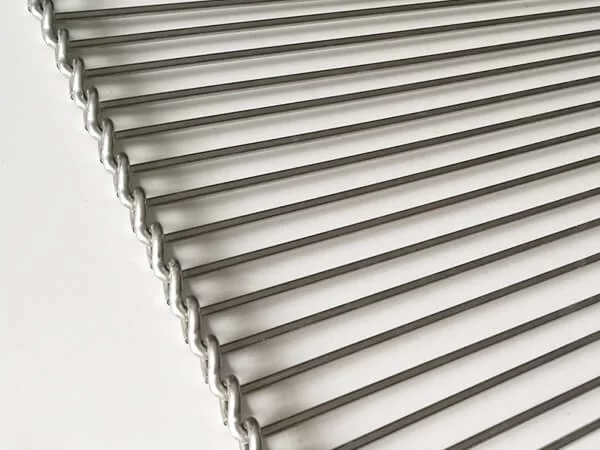 Ladder Conveyor Belts
Ladder Conveyor Belt is a simple but effective style of conveyor belt, generally used belt for common processes and common product loads. Its open design provides efficient operation with minimum maintenance as well as facilitating easy and thorough cleaning. Its lightweight and basic configuration make it a very economic and cost-effective style of belting for many different environments. The ladder belts are used in production processes with temperatures of -100ºC to +450ºC in food and other industries.
-
 Chain Driven Conveyor Belts China Factory | High Precision Mesh Belt SuppliersLeading China factory and suppliers of stainless steel chain link belts with precision-driven rollers. High-tensile, corrosion-resistant solutions for heavy-duty industrial material handling.
-
 Balanced Spiral Woven Conveyor Belts China Factory and Leading SuppliersLooking for premium Balanced Weave Conveyor Belts from a trusted China factory? As leading suppliers, we provide high-performance spiral wire link belts for food, heat treatment, and glass industries, ensuring FDA compliance and extreme temperature resistance.
-
 Industrial Flexible Rod Conveyor Belts Grid Link Mesh Belt China Factory SuppliersHigh-performance Flexible Rod Conveyor Belts also known as Grid Link Conveyor Belts. Sourced from a leading China factory and trusted suppliers, these belts offer anti-deformation design and food-grade compliance for optimized cold chain logistics.
-
 Balanced Weave Conveyor Belt Factory China Professional Mesh Belt Suppliers(2026 Edition)Looking for high-performance Balanced Weave Conveyor Belts? Our China factory and expert suppliers offer dual-spiral structures with U-shaped edge reinforcement and direct edge welding for extreme heat stability.
-
 October 22, 2026High Precision Wholesale Mesh Belt for Industrial ConveyorsIn heavy-duty industrial material handling, the challenge of belt deviation and structural failure under extreme thermal loads often leads to costly production downtime. Chain-driven conveyor systems address these pain points by integrating a robust chain mechanism with high-grade stainless steel mesh, providing a level of tracking precision and load-bearing capacity that standard belts cannot match. For procurement managers and plant engineers, selecting a high-tensile metal wire belt isnt just about the material, but about ensuring synchronized movement across long production lines in environments where corrosion and heat are constant factors.
-
 August 14, 2026High Precision Sintering furnace mesh belt for Industrial HeatIn the demanding realm of industrial heat treatment and material processing, the efficiency of transport systems can dictate the entire quality of the final product. A Sintering furnace mesh belt serves as the critical interface between the heating environment and the industrial components being processed, ensuring that materials move steadily and uniformly through extreme thermal zones. By utilizing high-precision engineering, these belts prevent the bottlenecks often associated with traditional conveyor systems in high-heat settings. The global shift toward automation and higher precision in metallurgy and chemical processing has placed a spotlight on the structural integrity of conveyor components.
-
 June 21, 2026High Precision Semiconductor Material Sintering Mesh Belt GuideOptimizing Production with Semiconductor Material Sintering Mesh Belt In the precision-driven world of semiconductor fabrication, the stability and quality of sintering processes are critical to the final performance of electronic components. The Semiconductor Material Sintering Mesh Belt serves as the backbone of this high-temperature transport system, ensuring that delicate wafers and materials are moved uniformly through sintering furnaces without deformation or contamination. Achieving a perfect sinter requires a conveyor that can withstand extreme thermal stress while maintaining dimensional stability. This article explores the technical nuances, material benefits, and industrial applications of these specialized belts to help engineers optimize their production lines
-
 April 29, 2026Engineering Excellence in Spiral Mesh Belts ManufacturingRedefining industrial transmission with ultra-precision spiral mesh solutions, combining aerospace-grade durability with seamless operational fluidity for global manufacturing leaders. 4200 Annual Output 168 Countries Served 6 Days Sample Lead Time 99.7 On-Time Delivery The Pinnacle of Mesh Engineering As a global benchmark in the general equipment manufacturing sector, our Spiral Mesh Belts are designed to eliminate friction-induced downtime and maximize throughput in high-load mechanical transmission systems. By integrating proprietary alloy heat-treatment and precision weave geometry, our Spiral Mesh Belts provide unparalleled dimensional stability even under extreme thermal fluctuations. Architectural Integrity Three Core Pillars Our manufacturing philosophy is anchored by three non-negotiable technical standards.
-
 July 01, 2026High Efficiency Industrial Chain Driven mesh belt GuideMaximizing Efficiency with a Chain Driven Mesh Belt In the demanding world of modern manufacturing, the precision and reliability of conveyor systems can determine the overall productivity of a production line. A Chain Driven mesh belt offers a robust solution for transporting materials under extreme conditions, combining the stability of chain propulsion with the versatility of woven mesh. Whether you are dealing with high-temperature heat treatment or hygienic food processing, selecting the right driving method and material is critical. This guide explores the technical advantages, material specifications, and industrial applications of these specialized conveyor systems to help you make an informed engineering decision.
-
 November 09, 2026Sintering Furnace Mesh Belt for Powder Metallurgy: Industry Trends and Manufacturing Insights from PM CHINA 2026
Powder metallurgy continues to serve a wide range of industrial applications, from precision mechanical components to automotive parts, magnetic materials, and advanced manufacturing. As production requirements evolve, manufacturers increasingly need to consider not only the quality of the finished component but also the stability, consistency, and efficiency of the processes used to produce it.
-
 May 13, 2026Industrial Edge Baffle Mesh Belt for Product ContainmentIn the complex landscape of modern industrial conveyance, the edge baffle mesh belt stands as a critical engineering solution for preventing product spillover and ensuring precise alignment during high-speed transport. By integrating vertical containment boundaries directly into the belt structure, manufacturers can significantly reduce material waste and enhance the overall safety of the production line. Globally, the demand for specialized metal conveyor components has surged as industries transition toward fully automated processing. The implementation of an edge baffle mesh belt is no longer just an optional upgrade but a necessity for sectors where product integrity and strict volumetric control are paramount
-
 September 16, 2026High Quality Wholesale Balanced Spiral Conveyor Belt SystemsIndustrial material handling requires a delicate balance between structural rigidity and fluid movement, especially when transporting heavy components through complex production stages. For operations needing high-precision positioning and robust conveying capabilities, the Plate Link system offers a sophisticated alternative to standard mesh. By utilizing a hinged slat design, these belts provide exceptional stability and strength, ensuring that materials remain secure even in challenging environments. Whether you are optimizing a pharmaceutical sorting line or an automotive assembly plant, the ability to customize plate height and thickness is critical for aligning the conveyor with existing machinery.
Get Your Custom Solution
Facing challenges with high-temperature conveying? Contact us now.
Our engineers will provide you with expert product consultation and tailored solutions.
Sign up
for our Newsletter
Subscribe to the weekly newsletter for all the latest updates


