- Tel: +86 15252586600 / +86 13705250816
- Email: 527966138@qq.com / 1026520412@qq.com

Industrial Powder Metallurgy Mesh Belt for High Temperature Efficiency
Industrial Powder Metallurgy Mesh Belt for High Temperature Efficiency
Powder Metallurgy Mesh Belt: The Ultimate Guide to Industrial Efficiency
In the demanding world of industrial heat treatment and sintering, the choice of conveyor material can make or break your production efficiency. The Powder Metallurgy Mesh Belt has emerged as a critical component for manufacturers seeking a balance between high-temperature stability and mechanical strength. These specialized belts are engineered to withstand extreme thermal environments while ensuring a smooth, consistent transport of delicate powder metallurgy parts. In this guide, we will explore the technical intricacies, material advantages, and practical applications that make this mesh belt an indispensable asset for modern industrial lines.

The Engineering Behind Powder Metallurgy Mesh Belt Design
The structural integrity of a Powder Metallurgy Mesh Belt is achieved through precision weaving and advanced metallurgy. Unlike standard conveyor belts, these are often constructed from high-grade stainless steel or nickel-based alloys to prevent oxidation and deformation at scorching temperatures. The open-mesh design is not merely for aesthetics; it allows for maximum airflow and uniform heat distribution, which is vital for the sintering process where temperature gradients can lead to product defects. By optimizing the weave density, manufacturers can control the stability of the parts being transported, reducing slippage and vibration.
Technical Highlight: The use of interlocking weaves ensures that the belt maintains its width and tension even after thousands of thermal cycles, significantly reducing the frequency of costly maintenance shutdowns.
Material Selection for High-Temperature Environments
Selecting the right material for your Powder Metallurgy Mesh Belt depends entirely on the atmospheric conditions of your furnace. For most standard applications, 304 or 316 stainless steel provides excellent corrosion resistance. However, for vacuum sintering or hydrogen-rich atmospheres, specialized alloys are required to prevent "hydrogen embrittlement." The goal is to minimize the coefficient of thermal expansion to ensure the belt doesn't stretch or warp, which could lead to misalignment and potential system failure.
Material Performance Comparison:
• Stainless Steel 304: Ideal for general oxidizing atmospheres; cost-effective.
• Stainless Steel 316: Superior resistance to chlorides and acidic environments.
• Inconel/Nickel Alloys: Maximum strength at extreme temperatures (>1000°C).
Powder Metallurgy Mesh Belt vs. Traditional Solid Belts
When comparing a Powder Metallurgy Mesh Belt to traditional solid metal plates or rubber-based belts, the advantages in thermal processing are clear. Solid belts often create "hot spots" and hinder the escape of combustion gases, whereas the mesh structure facilitates a breathable environment. Furthermore, the flexibility of the mesh allows for easier installation and tracking over rollers. The following table illustrates the stark difference in performance metrics:
Key Applications of Powder Metallurgy Mesh Belts
The versatility of the Powder Metallurgy Mesh Belt allows it to serve multiple roles across various high-tech industries. In the automotive sector, it is widely used for transporting sintered gears and bushings through cooling tunnels. In the medical device industry, it ensures that surgical implants are processed in a sterile, high-temperature environment without surface contamination. Additionally, these belts are essential in the production of cutting tools and hard metals, where precision and stability are non-negotiable.

Technical Specifications for Customization
Every industrial line is unique, which is why customization is key for a Powder Metallurgy Mesh Belt. Parameters such as wire diameter, mesh opening size, and belt width must be carefully calculated to match the weight of the load and the speed of the conveyor. A mesh that is too open may allow small parts to fall through, while a mesh that is too tight may impede the flow of sintering gases. Below are the common technical specifications available for industrial procurement:
Maintenance Tips for Prolonging Belt Life
To maximize the ROI of your Powder Metallurgy Mesh Belt, a proactive maintenance schedule is essential. The primary enemy of mesh belts is "uneven tension," which can cause the belt to drift and fray at the edges. Regular inspections of the drive sprockets and rollers for wear are necessary to prevent snagging. Additionally, since these belts operate in high-heat environments, periodic cleaning to remove accumulated sintering dust prevents "caking," which can restrict airflow and create uneven heat zones. Using high-temperature lubricants on the bearing assemblies will further ensure smooth operation.
Conclusion: Optimizing Your Production with Premium Mesh Belts
The Powder Metallurgy Mesh Belt is more than just a conveyor; it is a precision tool that ensures the quality and consistency of sintered components. By choosing the right material, optimizing the mesh specifications, and adhering to a strict maintenance routine, manufacturers can significantly reduce downtime and improve product yield. Investing in a high-quality mesh belt is a strategic move toward operational excellence in any powder metallurgy facility.
Frequently Asked Questions (FAQs)
How do I choose the right mesh size for my powder metallurgy parts?
Choosing the correct mesh size requires a balance between stability and airflow. As a general rule, the mesh opening should be small enough to support the smallest dimension of your parts to prevent them from tipping or falling through, but large enough to allow sintering gases and heat to circulate freely. We recommend analyzing your part's footprint and weight; for very small, light parts, a tighter weave is necessary. Consulting with a specialist at JY Mesh Belt can help you determine the optimal ratio for your specific product.
Can these belts be used in vacuum furnaces?
Yes, Powder Metallurgy Mesh Belts can be used in vacuum furnaces, provided the material is correctly selected. Standard stainless steels may be sufficient for some applications, but for high-vacuum environments, alloys like Inconel or specialized molybdenum-based metals are often used to prevent outgassing and maintain structural integrity at extreme temperatures. The lack of oxygen in a vacuum furnace prevents oxidation, but the belt must still be able to withstand the mechanical stress of transporting the load without sagging.
What causes a mesh belt to track off-center?
Belt tracking issues are typically caused by three factors: uneven tensioning, worn-out rollers, or contaminated belt surfaces. If one side of the belt is tighter than the other, it will naturally pull toward the loose side. Additionally, if sintering dust builds up unevenly on the rollers, it creates a "crown" effect that pushes the belt sideways. Regular cleaning and the use of precision alignment tools during installation are the best ways to prevent tracking problems and ensure a long service life for your conveyor system.
How long does a typical Powder Metallurgy Mesh Belt last?
The lifespan of a mesh belt varies wildly based on the operating temperature and the corrosiveness of the atmosphere. In a well-maintained system with moderate temperatures, a high-grade stainless steel belt can last several years. However, in extreme high-heat or chemically aggressive environments, belts may need replacement every 12 to 24 months. The key to longevity is avoiding "shock loading" (sudden heavy weights) and ensuring that the belt is not run at tension levels that exceed the material's yield strength.
-
 Industrial Biscuit Baking Belts Factory High Quality Rolled Baking Band Suppliers in ChinaLooking for reliable Biscuit Baking Belt suppliers in China? Our factory provides premium Rolled Baking Bands and Z Belts designed for tunnel ovens. These stratified metal spiral belts offer low heat inertia and high strength for optimal industrial baking efficiency.
-
 Premium Veneer Dryer Wire Mesh Belts China Factory and Reliable SuppliersLooking for high-performance veneer dryer wire mesh belts? As a top China factory and trusted suppliers, we offer heat-resistant stainless and galvanized steel belts stable up to 600C to ensure uniform drying and eliminate defects in plywood manufacturing.
-
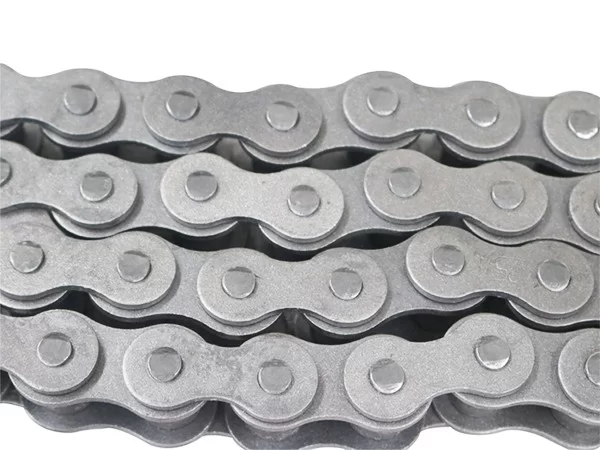 Chain Links
Chains links are important components and accessories in the whole conveyor belt system. They are used combined with sprockets as a drive system to ensure stable and smooth conveying and transmitting. We can supply all kinds of chain links for you.
-
 Custom Eye Link Conveyor Belts China Factory and Leading SuppliersLooking for durable Eye Link Conveyor Belts? As leading China suppliers and a professional factory, we provide high-strength stainless steel wire link belts designed for food, chemical, and pharmaceutical industries. Our Eye-Flex belts offer extreme durability and custom modular designs.
-
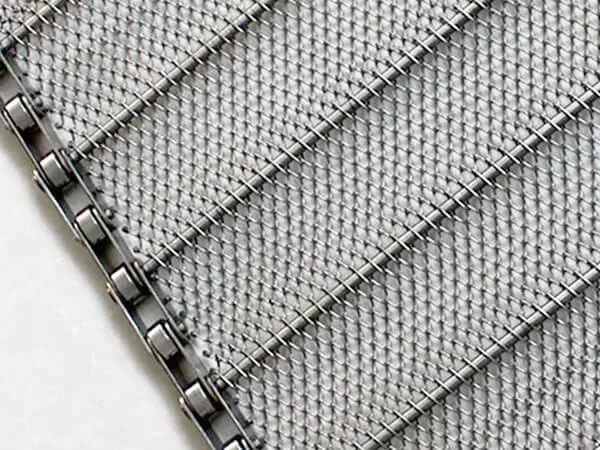 Chain Link Conveyor Belts
Chain Link Conveyor Belt, also known as stainless steel wire mesh belt or conventional mesh belt, features a simple design with interwoven spiral coils creating an open mesh. Available with knuckled or welded edges, PFM Screen’s Chain Link belt is an economical and lightweight solution for low load conveying, ideal for light-duty drying and cooling applications. With its large open area, it is perfect for energy-efficient processes like drying, cooling, and heating.
-
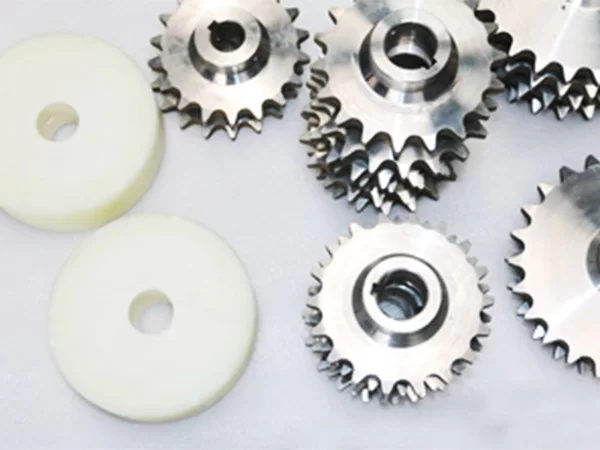 Sprockets
Jiaoyang offers a comprehensive range of standard sprockets and can also manufacture to order sprockets for new or replacement applications to suit any specified belt.
-
 High Strength Rod Network Conveyor Belts China Factory SuppliersLooking for high-performance Rod Network Conveyor Belts? As leading China factory suppliers, we provide durable Flat Flex belts with 60 permeability and heat resistance up to 1200C for food and industrial use.
-
 Compound Balanced Weave Conveyor Belt Factory Leading China SuppliersPremium Compound Balanced Weave Belts with welded edge from a professional China factory. Our high-density mesh belts offer extreme heat stability and precision transport. Contact leading China suppliers for durable cordweave solutions.
-
 June 26, 2026Industrial Guide to High Performance Dense Mesh BeltsThe Essential Guide to Dense Mesh Belts in Industrial Conveying In the demanding world of high-temperature manufacturing and precision transport, selecting the right conveyor medium is critical for operational efficiency. Dense Mesh Belts provide a sophisticated solution for industries that require a stable, smooth, and heat-resistant surface for transporting delicate or small-scale components. Whether utilized in glass annealing or specialized chemical processing, these belts are engineered to minimize product tipping and maximize throughput. This guide explores the technical superiority and strategic advantages of integrating high-density mesh solutions into your production line.
-
 May 27, 2026High Performance Silver sintering furnace mesh belt GuideThe silver sintering furnace mesh belt represents a critical intersection of advanced metallurgy and precision mechanical engineering, serving as the backbone for high-temperature sintering processes. In the demanding environment of modern manufacturing, these specialized belts ensure that delicate silver-based components are transported with absolute stability and thermal uniformity, preventing deformation and ensuring the structural integrity of the final product. Globally, the demand for high-performance electronic components and medical devices has accelerated the adoption of silver sintering technologies. The efficiency of these processes depends heavily on the conveyor system; a high-quality Silver sintering furnace mesh belt minimizes downtime and reduces material waste.
-
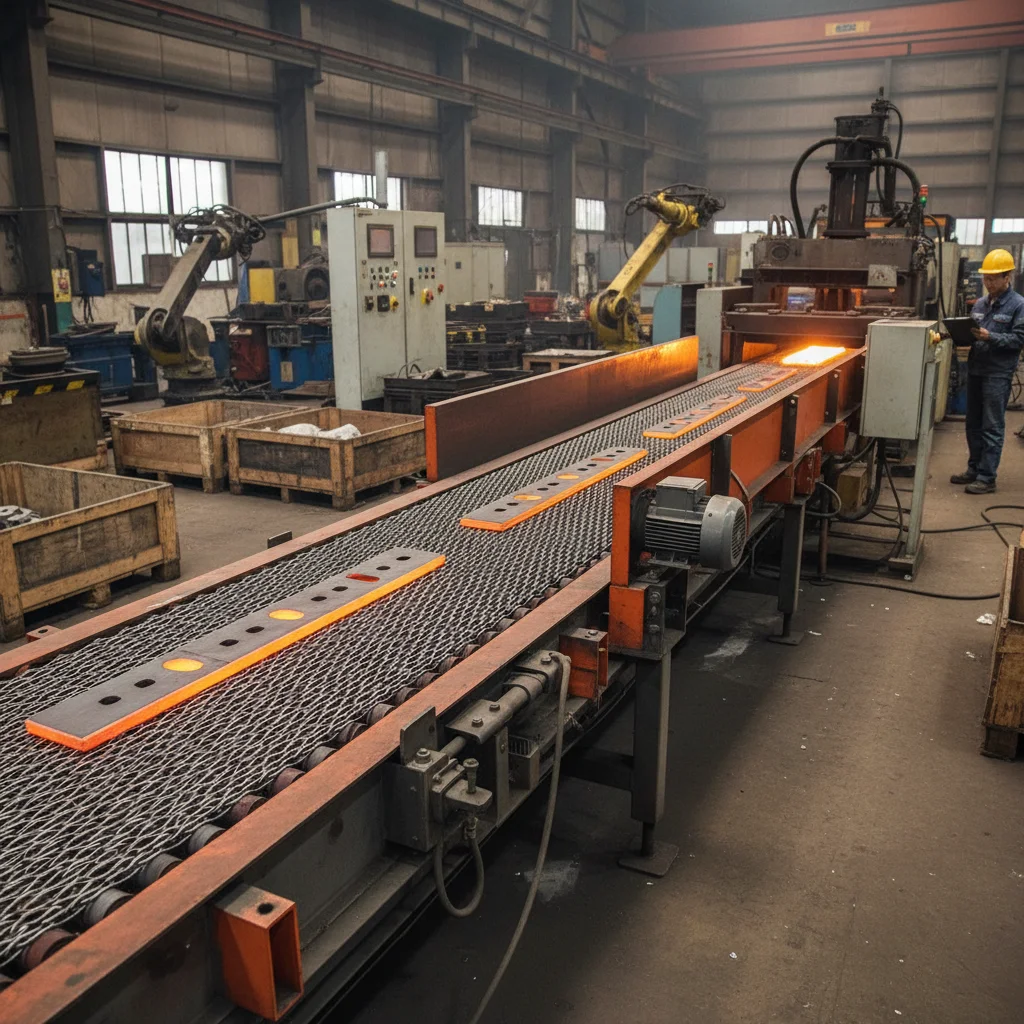 April 06, 2026The Indispensable Role of Wire Mesh Belt Technology in Modern IndustriesWire mesh belt technology has become indispensable in modern industrial processes, offering a versatile and robust solution for material handling across a multitude of sectors. From food processing and pharmaceuticals to metalworking and automotive manufacturing, the demand for efficient and reliable conveyor systems is constantly increasing. This drive for optimization has cemented the wire mesh belt as a cornerstone of contemporary production lines, enabling businesses to streamline operations, enhance product quality, and boost overall productivity.
-
 July 24, 2026Industrial Balanced Spiral Conveyor Belt for Heavy Duty LoadsIn the demanding world of industrial material handling, precision and stability are non-negotiable. The Balanced Spiral Conveyor Belt represents a sophisticated evolution in conveying technology, designed to move heavy-duty industrial loads with absolute accuracy. By integrating high-grade stainless steel with a specialized chain-driven mechanism, these systems solve the age-old problem of belt drift and deformation in high-stress environments. Across global manufacturing sectors, the need for a transport solution that can withstand extreme thermal and chemical stress while maintaining perfect synchronization is paramount. The implementation of a Balanced Spiral Conveyor Belt ensures that production lines in food processing, pharmaceutical, and automotive industries operate
-
 June 16, 2026High Performance Copper Brazing Furnace Mesh Belt SystemsThe efficiency of modern industrial thermal processing relies heavily on the precision and durability of its transport systems. A Copper Brazing Furnace Mesh Belt serves as the critical backbone in these environments, ensuring that components are moved through intense heat zones with absolute stability. By integrating high-performance chain links and precision-engineered edges, these systems minimize downtime and maximize throughput in demanding metallurgical applications. Globally, the demand for specialized conveyor components has surged as industries shift toward automation and tighter quality control. Whether in the automotive or electronics sector, the ability of a Copper Brazing Furnace Mesh Belt to maintain structural integrity
-
 June 12, 2026High Performance Stainless Steel Brazed Wire Mesh Belt SolutionsIn the demanding world of industrial conveying, the selection of a high-performance transmission medium is critical for operational efficiency. The stainless steel brazed wire mesh belt stands as a pinnacle of engineering, offering a robust solution for transporting materials through extreme thermal and chemical environments. By combining the inherent strength of stainless steel with precise brazing techniques, these belts ensure structural integrity where traditional materials fail. Globally, the push toward automation and stricter hygiene standards in food processing and pharmaceuticals has amplified the need for durable, non-corrosive conveying solutions.
-
 November 02, 2026Compound Balanced Weave Belt for Powder Metallurgy: Industry Insights from PM CHINA 2026
Powder metallurgy is an important manufacturing process for producing precision metal components used in automotive systems, industrial machinery, electrical equipment, and other engineered products. As manufacturers seek greater process consistency and production efficiency, the reliability of equipment used in material handling and thermal processing becomes increasingly important.
-
 September 10, 2026High Performance Battery production mesh belt for Thermal StabilityEnsuring thermal stability and precise transport is critical in the fabrication of high-energy storage components. When managing the delicate movement of electrodes or separators through curing and drying stages, the choice of conveyor architecture directly impacts yield and product consistency. High-performance metal wire belts, specifically those employing a rod network or flat flex structure, provide the necessary balance of structural rigidity and airflow permeability required for these sensitive processes. For engineers designing battery production lines, the primary challenge is mitigating mechanical stress while maintaining an environment that supports rapid heat transfer.
Get Your Custom Solution
Facing challenges with high-temperature conveying? Contact us now.
Our engineers will provide you with expert product consultation and tailored solutions.
Sign up
for our Newsletter
Subscribe to the weekly newsletter for all the latest updates


