- Tel: +86 15252586600 / +86 13705250816
- Email: 527966138@qq.com / 1026520412@qq.com

Industrial Guide to High Performance Dense Mesh Belts
Industrial Guide to High Performance Dense Mesh Belts
The Essential Guide to Dense Mesh Belts in Industrial Conveying
In the demanding world of high-temperature manufacturing and precision transport, selecting the right conveyor medium is critical for operational efficiency. Dense Mesh Belts provide a sophisticated solution for industries that require a stable, smooth, and heat-resistant surface for transporting delicate or small-scale components. Whether utilized in glass annealing or specialized chemical processing, these belts are engineered to minimize product tipping and maximize throughput. This guide explores the technical superiority and strategic advantages of integrating high-density mesh solutions into your production line.

Engineering Excellence of Dense Mesh Belts
The core strength of Dense Mesh Belts lies in their specialized weave structure. Unlike standard open meshes, the dense configuration offers a nearly continuous surface, which is indispensable for conveying very small items that would otherwise fall through larger apertures. By utilizing a compound weave, these belts ensure a high load-bearing capacity while maintaining the flexibility required to navigate industrial rollers. This precise engineering prevents the shifting of containers during critical phases like cooling or decorating, directly impacting the final product yield.
Technical Highlight: Compound weave structures are specifically designed to create minimal apertures, making them the gold standard for the safe conveyance of miniature glass vials and precision electronics.
Material Selection for Maximum Durability
Material science plays a pivotal role in the longevity of industrial conveyors. For environments characterized by extreme heat, Chrome Molybdenum steel is the preferred choice, allowing operations up to 1200°C. For those facing corrosive atmospheres or high humidity, 304 and 430 Stainless Steel provide the necessary chemical resistance. The integration of these premium materials into Dense Mesh Belts ensures that the belts do not warp or degrade, drastically reducing the frequency of replacement and operational downtime.
Performance Comparison: Dense Mesh Belts vs. Standard Mesh
When comparing high-performance solutions to standard options, the differences in stability and maintenance become evident. Standard belts often suffer from "drift" or tracking issues, requiring frequent manual intervention. In contrast, the balanced design inherent in premium Dense Mesh Belts ensures the belt stays centered automatically. This stability is crucial for maintaining a consistent cooling rate in glass annealing furnaces.
Applications of Dense Mesh Belts Across Manufacturing
The versatility of Dense Mesh Belts allows them to excel in various high-stakes environments. In the glass industry, they are essential for annealing lehrs where controlled cooling prevents internal stress. In the food industry, their stainless steel construction ensures hygiene and corrosion resistance. Furthermore, in automotive parts manufacturing, these belts provide the necessary stability for heat-treating small fasteners and precision components. Their ability to be customized in widths exceeding 5 meters makes them scalable for any furnace layout.

Technical Specifications for Dense Mesh Belts
Selecting the right belt requires a deep understanding of the operating parameters. From weave density to edge treatment, every detail contributes to the overall efficiency of the conveyor system. Below are the detailed specifications for our premium range of Dense Mesh Belts, ensuring a perfect match for your industrial needs.
Conclusion: Optimizing Production with High-Density Mesh
Investing in premium Dense Mesh Belts is more than a procurement choice; it is a strategic upgrade to your manufacturing capabilities. By reducing belt stretch, eliminating tracking drift, and resisting extreme thermal stress, these belts ensure that your production line operates at peak efficiency. Whether you are scaling up your glass annealing process or refining a precision conveyor system, the right mesh choice guarantees longevity and product quality.
Frequently Asked Questions (FAQs)
What is the main advantage of Dense Mesh Belts over standard options?
The primary advantage of Dense Mesh Belts is the significantly smaller aperture size provided by the compound weave. This creates a stable platform that prevents small items from tipping or falling through the mesh, which is critical in glass annealing and pharmaceutical conveyor lines. Additionally, they offer superior tracking stability and resistance to elongation compared to basic mesh belts.
Which material is best for temperatures above 1000°C?
For extreme high-temperature applications, Chrome Molybdenum Steel is the recommended material. It is specifically engineered to withstand thermal expansion and oxidation at temperatures reaching up to 1200°C. While stainless steels like 304 or 430 are excellent for corrosion resistance and moderate heat, Chrome Molybdenum ensures the structural integrity of the belt remains intact during the most rigorous heating cycles in industrial furnaces.
How do these belts prevent tracking drift?
Tracking drift is prevented through a "Balanced Weave" design. This consists of locked-in alternating right and left-hand flattened spirals. This symmetrical engineering ensures that the tension is distributed evenly across the width of the belt, naturally maintaining a straight path. This reduces the need for constant manual adjustments and lowers the risk of the belt rubbing against the furnace edges, which extends the service life of the equipment.
Can Dense Mesh Belts be customized for wide furnaces?
Yes, customization is a core feature of our manufacturing process. We specialize in producing belts with widths exceeding 5 meters to accommodate large-scale industrial furnaces. Beyond width, we can customize the weave density, material grade, and edge treatment to integrate seamlessly with your existing conveyor layout, ensuring a precise fit and optimal performance for your specific production requirements.
-
 Rod Network Conveyor Belts Factory China High Temperature Flat Flex Belt SuppliersLooking for high-performance Rod Network Conveyor Belts? As leading China suppliers and a professional factory, we provide Flat Flex belts with 1200C heat resistance and 30 percent higher tensile strength for industrial conveying.
-
 High Temperature Wire Mesh Lehr Belts China Factory and SuppliersPremium Wire Mesh Lehr Belts from a leading China factory. Featuring a balanced weave of alternating flattened spirals and welded edges for maximum stability. Trusted suppliers of high-temperature glass annealing solutions.
-
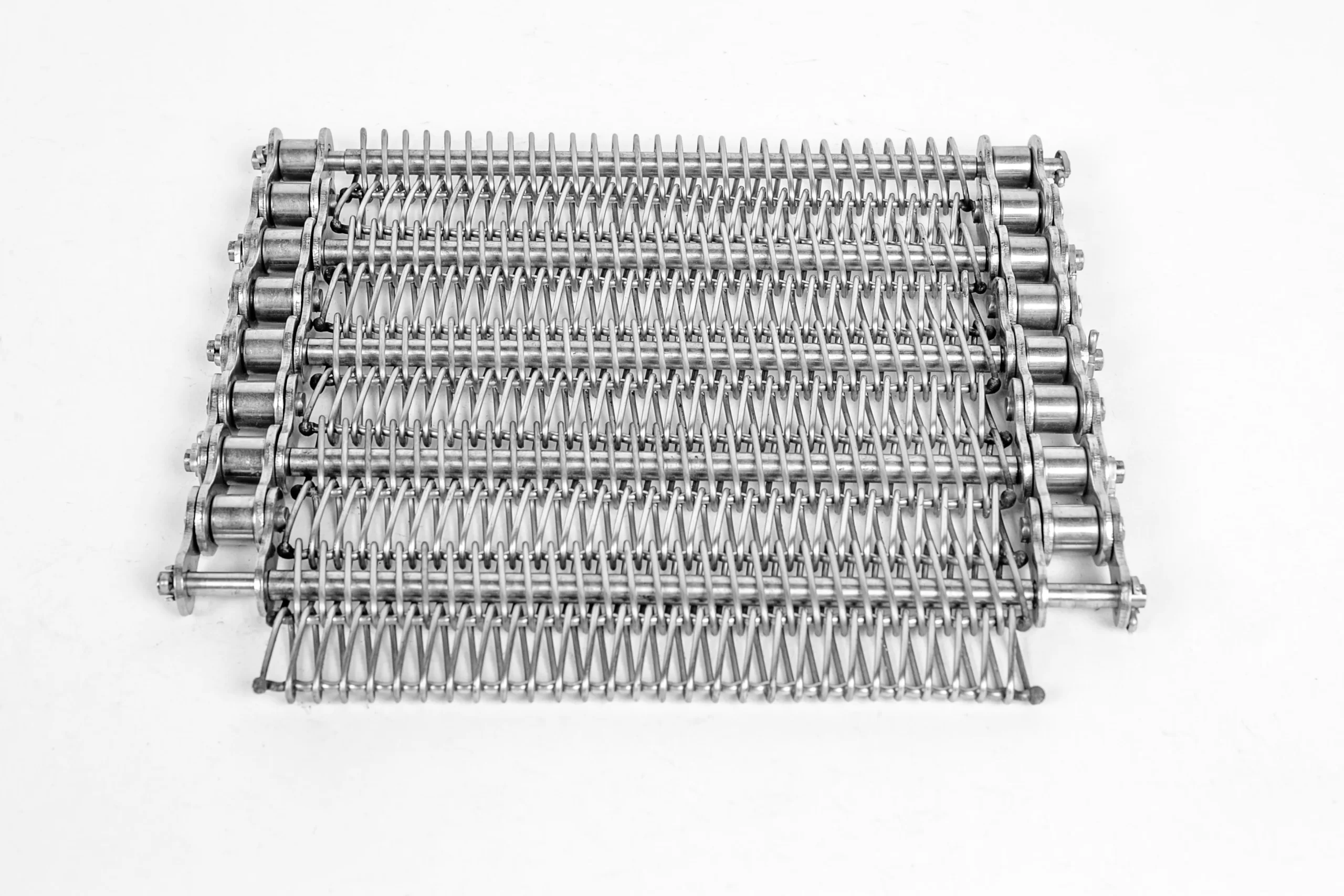 Chain Driven Conveyor Belts
Stainless steel chain link belt with precision-driven rollers
-
 HighTemperature Woven Rod Bar Conveyor Belts China Suppliers and FactoryLooking for high-performance woven rod bar conveyor belts? Our China factory provides durable, heat-resistant solutions ideal for food and chemical industries. As leading suppliers, we offer custom stainless steel mesh belts for extreme industrial drying.
-
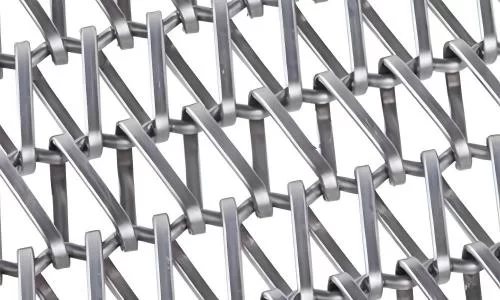 Veneer Dryer Wire Mesh Belts
Veneer dryer wire mesh belts are essential components in continuous veneer drying systems, widely used in plywood and panel manufacturing. These belts are designed to withstand high temperatures, provide stable transport, and allow optimal air circulation, ensuring uniform drying of wood veneer sheets. Made from high-quality metal or heat-resistant synthetic materials, these belts contribute to energy efficiency, reduce product defects, and enhance drying line productivity.
-
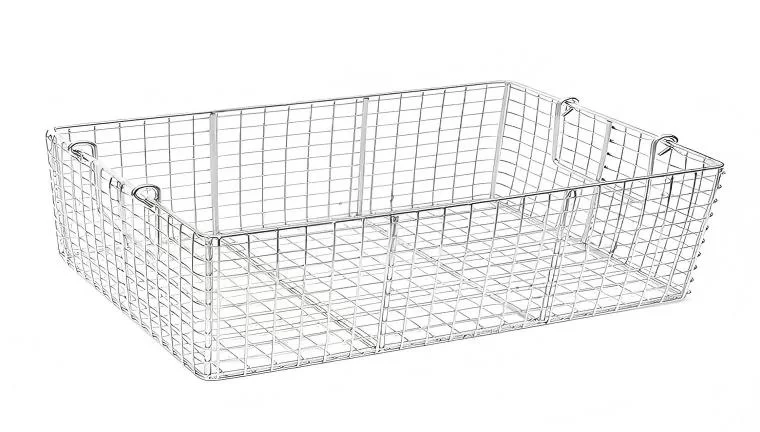 Stainless steel basket
Personalized customization service: If you have special requirements, whether it is material, sty……
-
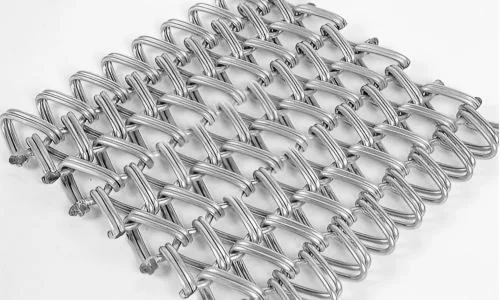 Double Balanced Weave Conveyor Belt
Double Wire Wrap Construction – Enhanced durability with interlocking spiral design……
-
 SelfStacking Spiral Freezer Belts China Factory and Leading SuppliersLooking for high-efficiency Self-Stacking Spiral Freezer Belts? As leading China suppliers and a professional factory, we provide innovative self-supporting conveyor solutions that maximize vertical space, reduce energy costs, and ensure uniform freezing for food processing.
-
 May 11, 2026Industrial Wavy Threading Mesh Belt for High Efficiency ConveyingIn the modern landscape of industrial automation, the efficiency of material handling often determines the overall productivity of a production line. The wavy threading mesh belt emerges as a sophisticated engineering solution designed to bridge the gap between stability and flexibility, ensuring that delicate or heavy-duty components are transported with minimal friction. By integrating a unique undulating weave pattern, these belts provide superior grip and airflow, making them indispensable in high-precision manufacturing environments. Globally, the demand for advanced conveyor systems is surging as industries shift toward Industry 4.0 standards, where synchronization and reliability are paramount.
-
 June 27, 2026High Performance Precision Components for Compound Weave BeltsIn the complex world of industrial mechanical transmission, the efficiency of a conveyor system often depends on the smallest precision components. High-performance edge components, such as premium chain links, play a critical role in maintaining the synchronization and stability of metal conveyor belts. By ensuring a flawless interface between the belt and the drive sprocket, these components prevent slippage and reduce operational downtime. Global industrial standards, including those set by ISO, emphasize the necessity of wear-resistant materials to prolong the lifecycle of heavy-duty machinery. The integration of advanced alloys and stainless steels into edge guidance systems has revolutionized how factories approach throughput and maintenance.
-
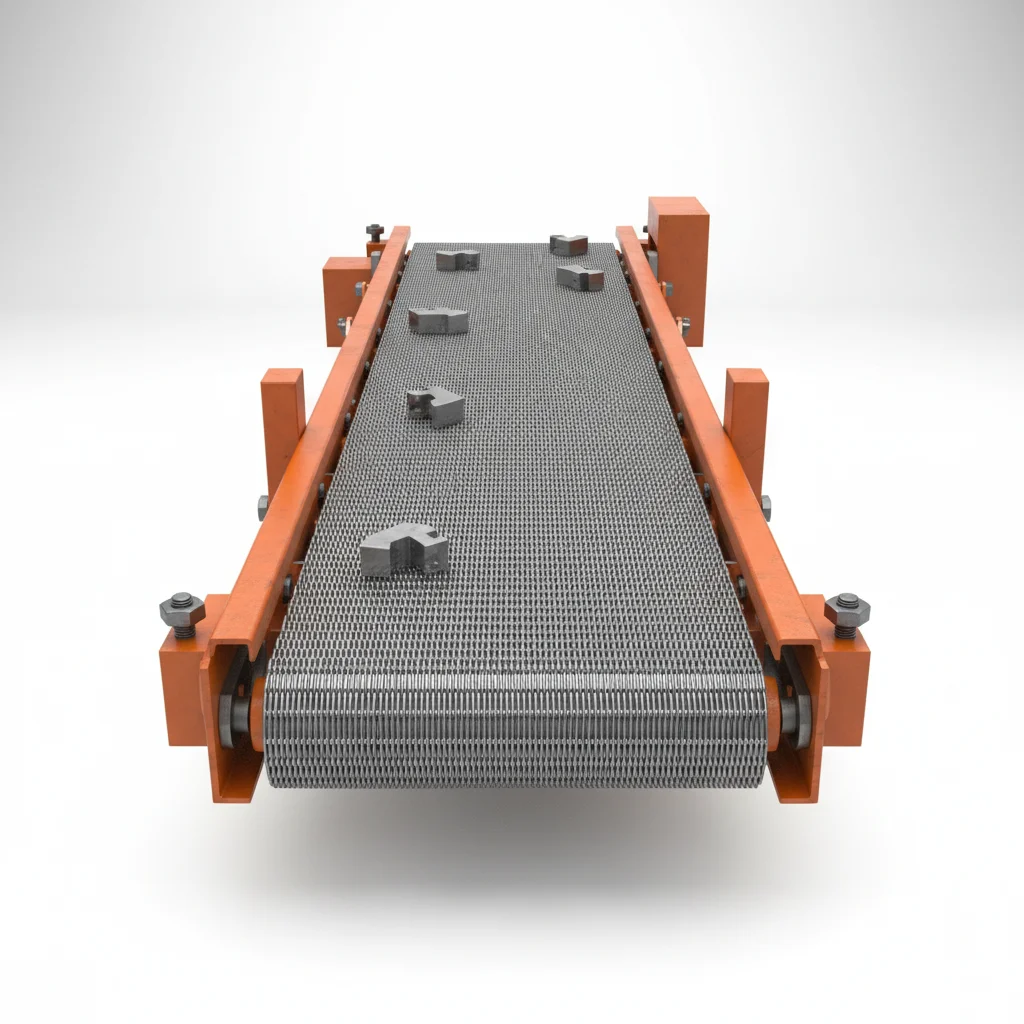 March 21, 2026Optimizing Material Handling with Durable Flat Flex Conveyor Belt SystemsIn the world of material handling, efficiency and reliability are paramount. Flat Flex Conveyor Belts have emerged as a versatile solution for a wide range of industries. This article will explore the benefits, applications, and key considerations when selecting a flat flex conveyor belt, focusing on how JY Mesh Belt can meet your specific needs. From food processing to logistics, we’ll cover how these belts optimize your operations. Flat Flex Conveyor Belts, also known as modular plastic belts, are constructed from small, interlocking plastic modules. These modules are typically made from materials like polypropylene, offering excellent strength, durability, and resistance to chemicals and temperature extremes. Unlike traditional belts, flat flex belts can be easily disassembled and reassembled, making them ideal for complex conveyor systems with curves, inclines, and declines.
-
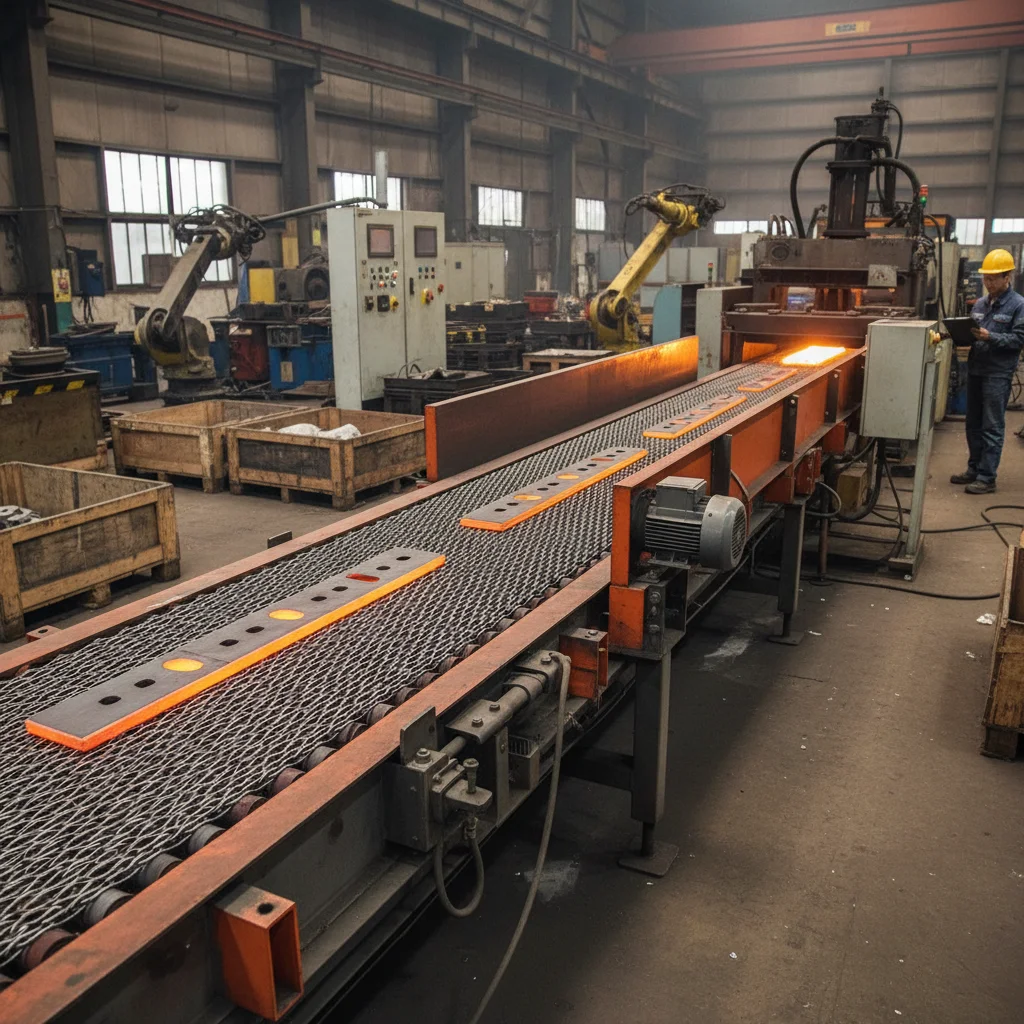 April 06, 2026The Indispensable Role of Wire Mesh Belt Technology in Modern IndustriesWire mesh belt technology has become indispensable in modern industrial processes, offering a versatile and robust solution for material handling across a multitude of sectors. From food processing and pharmaceuticals to metalworking and automotive manufacturing, the demand for efficient and reliable conveyor systems is constantly increasing. This drive for optimization has cemented the wire mesh belt as a cornerstone of contemporary production lines, enabling businesses to streamline operations, enhance product quality, and boost overall productivity.
-
 April 29, 2026Engineering Excellence in Spiral Mesh Belts ManufacturingRedefining industrial transmission with ultra-precision spiral mesh solutions, combining aerospace-grade durability with seamless operational fluidity for global manufacturing leaders. 4200 Annual Output 168 Countries Served 6 Days Sample Lead Time 99.7 On-Time Delivery The Pinnacle of Mesh Engineering As a global benchmark in the general equipment manufacturing sector, our Spiral Mesh Belts are designed to eliminate friction-induced downtime and maximize throughput in high-load mechanical transmission systems. By integrating proprietary alloy heat-treatment and precision weave geometry, our Spiral Mesh Belts provide unparalleled dimensional stability even under extreme thermal fluctuations. Architectural Integrity Three Core Pillars Our manufacturing philosophy is anchored by three non-negotiable technical standards.
-
 September 14, 2026High Quality Wholesale Stainless Steel Wire Mesh Belt SolutionsProcuring Wholesale Stainless Steel Wire Mesh Belt solutions requires a deep understanding of how mechanical transmission components interact with specific industrial environments. In the sector of general equipment and mechanical transmission parts manufacturing, the choice of conveyor belt material and architecture directly determines the throughput and longevity of the production line. Many procurement managers face the challenge of balancing initial capital expenditure with long-term operational costs. Selecting a belt that fails to resist corrosion or sustains deformation under high loads leads to unplanned downtime, increased maintenance frequencies, and compromised product quality, particularly in temperature-sensitive industries.
-
 June 20, 2026Industrial Powder Metallurgy Mesh Belt for High Temperature EfficiencyPowder Metallurgy Mesh Belt: The Ultimate Guide to Industrial Efficiency In the demanding world of industrial heat treatment and sintering, the choice of conveyor material can make or break your production efficiency. The Powder Metallurgy Mesh Belt has emerged as a critical component for manufacturers seeking a balance between high-temperature stability and mechanical strength. These specialized belts are engineered to withstand extreme thermal environments while ensuring a smooth, consistent transport of delicate powder metallurgy parts. In this guide, we will explore the technical intricacies, material advantages, and practical applications that make this mesh belt an indispensable asset for modern industrial lines.
-
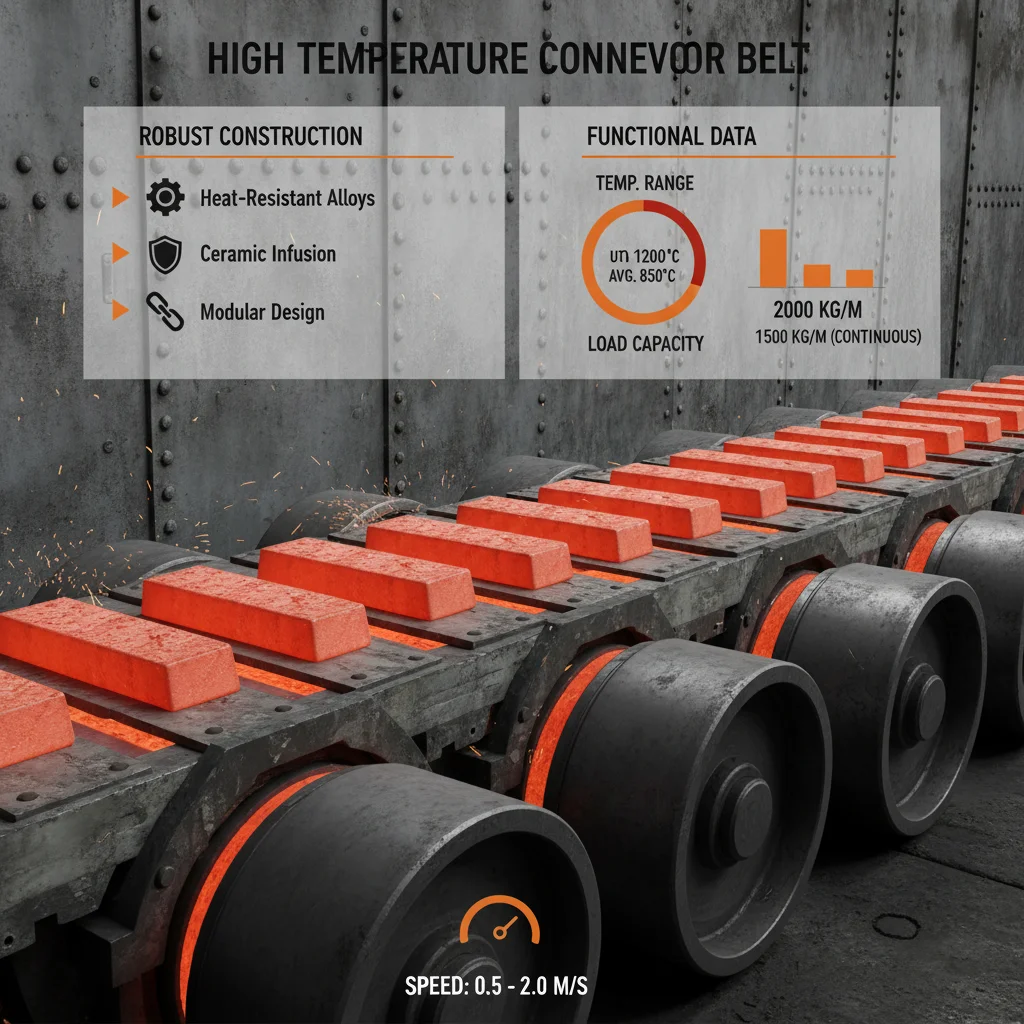 March 13, 2026HighTemperature Conveyor Belt Solutions for Demanding IndustriesEngineered for reliability and performance in high-heat applications, our conveyor belts deliver unmatched durability and operational efficiency. Our high-temperature conveyor belts are engineered to withstand extreme heat and provide reliable performance in critical industrial applications. We are a leading provider of solutions for High Temperature Conveyor Belt. Leveraging advanced materials and innovative designs, our belts ensure longevity, minimize downtime, and optimize production processes. We specialize in custom solutions to meet unique application requirements.
Get Your Custom Solution
Facing challenges with high-temperature conveying? Contact us now.
Our engineers will provide you with expert product consultation and tailored solutions.
Sign up
for our Newsletter
Subscribe to the weekly newsletter for all the latest updates


